Stylish Table Centerpieces with Paper Lanterns
Intro
In today's richly textured world, where aesthetics marry culture seamlessly, incorporating paper lanterns into your decor can be a game changer. With a history steeped in tradition and a versatility that speaks to modern sensibilities, these ethereal creations elevate any table setup, be it for an intimate dinner or a grand celebration. The following narrative explores the various elements surrounding paper lanterns, from their cultural histories to practical advice on their use as table centerpieces.
Understanding how to choose and style paper lanterns not only enhances visual appeal but also channels charisma and personality into your gathering, making them an unforgettable experience.
The Cultural Significance of Paper Lanterns
Historical Roots
A quick look at paper lanterns takes us back centuries, particularly to East Asia, where they are a symbol of light, hope, and festivity. These lanterns can be traced to China as far back as the Han Dynasty. They were originally made from bamboo and paper, often adorned with artistic designs that mirror the creativity and craftsmanship of their makers. As centuries rolled by, they found their way into various cultures, notably Japan, Vietnam, and even into Western celebrations.
Symbolism
Paper lanterns encompass a myriad of meanings—be it to guide spirits during festivals, celebrate joyous occasions, or simply illuminate dark spaces. Their rounded shapes and soft diffused light evoke feelings of warmth and camaraderie, fitting for both joyous gatherings and solemn events.
“Light does not only bring warmth; it acts as a magnet for souls, pulling people together in shared experiences.”
Key Designs and Variations
When planning to include paper lanterns as table centerpieces, understanding the different styles available can help you make the right choice. Here are a few notable design variations:
- Traditional Lanterns: Often adorned with intricate designs and vibrant colors, these are perfect for cultural festivals or themed events.
- Modern Minimalist Lanterns: Tailored for contemporary tastes, they feature clean lines and muted colors, appealing to the modern interior aesthetic.
- DIY Variations: Creating your own paper lanterns can channel creativity and personal touch. Using patterned paper or adding embellishments allows you to express individuality.
Practical Guide for Integration
Selecting the Right Lanterns
Not every occasion calls for the same type of lantern. It's crucial to align your choices with the event's tone. Here are a few thoughts:
- For weddings, look for delicate pastel colors or metallic finishes that blend with your theme.
- Gatherings with a casual flair benefit from bold colors and fun shapes.
- Use lanterns that reflect your cultural heritage if it’s a themed event.
Arranging and Maintaining
Arranging your paper lanterns should take into consideration the table layout and guest interaction. Here are some tips:
- Height Matters: Vary the heights for visual interest; combine short lanterns with taller centerpieces for a dynamic look.
- Lighting: Consider using LED candles inside lanterns for a beautiful glow without the fire risk.
- Maintenance: Regularly check for dust or wear—light cleaning will preserve their integrity and charm.
By investing thought into selection and arrangement, anyone can turn an ordinary dining experience into an extraordinary affair.
Closure
Using paper lanterns as table centerpieces is no fleeting trend; it's an age-old practice rooted in cultural significance and adaptable to contemporary settings. Whether planning a high-end gala, birthday celebrations, or casual gatherings, these delightful decor pieces can transform any table into a captivating focal point. This guide is designed to assist anyone wishing to incorporate this timeless element thoughtfully and stylishly.
For more insight on paper lantern design and cultural history, feel free to explore resources such as Wikipedia and Britannica or join engaging discussions on Reddit.
Preface to Paper Lanterns
Paper lanterns have been used across various cultures for centuries, serving not just a practical purpose but also embodying artistic expression. These enchanting objects can completely transform a space, giving it a unique flair and a touch of whimsy. In the context of table centerpieces, paper lanterns offer an array of benefits: they are inexpensive, highly customizable, and can evoke an ambiance that ranges from tranquil to festive.
Utilizing paper lanterns as table centerpieces is not merely about decoration; it’s an opportunity to communicate a theme or a message that resonates with the event’s spirit. By weaving in historical context and cultural significance, one can elevate the perceived value of these lanterns beyond mere aesthetics. In this article, we’ll explore how paper lanterns can complement various occasions and settings, from weddings to casual gatherings. Understanding their roots and versatility allows designers and stylists to incorporate them more effectively, creating environments that leave a lasting impression.
The History and Origin of Paper Lanterns
The origins of paper lanterns trace back to ancient China, where they began as utilitarian items used for lighting. The first known instances appeared during the Han Dynasty (206 BCE – 220 CE) when they were constructed from thin paper and bamboo frames. Over time, their function evolved, and people started decorating these lanterns for festivals and celebrations. They became symbols of prosperity and good fortune.
As trade routes expanded, these lanterns traveled across borders, reaching Japan and other Asian countries, each adding unique touches and meanings. For instance, in Japan, the chochin lanterns are often associated with the Obon festival, meant to guide ancestral spirits back home. This rich tapestry of history reflects the adaptability of paper lanterns; they morphed from simple lights to intricate art pieces that are now embraced worldwide.
Cultural Significance in Various Societies
Across the globe, paper lanterns carry various meanings steeped in tradition. In Chinese culture, they are integral to festivals like the Lantern Festival, symbolizing reunion and happiness. Families hang them outside their homes, inviting good luck and warding off evil spirits.
In Vietnam, hong do lanterns illuminate the night during the Mid-Autumn Festival, celebrating community and family. Their soft, welcoming glow represents warmth and inclusion, creating an inviting atmosphere.
In Western contexts, there’s a growing trend of using paper lanterns to signify joy and celebration, particularly in events such as weddings or birthday parties. As styles blend and evolve, the modern interpretation emphasizes creativity and self-expression, allowing individuals to curate personal connections with their surroundings.
"Lanterns have the unique ability to light up not just a physical space but also the metaphorical darkness we sometimes feel at gatherings."
In summary, while paper lanterns may appear as simple decorations, the history and cultural meanings imbue them with depth and significance. This understanding goes a long way in choosing how to incorporate them effectively into events, ensuring that they don't just serve an aesthetic purpose but resonate emotionally with guests.
Design Variations of Paper Lanterns
Design variations of paper lanterns play a pivotal role in enhancing the aesthetic appeal of any gathering or event. When considering how to utilize these delightful artifacts as table centerpieces, one must realize that design is not merely a matter of taste but also one of function and ambiance. Paper lanterns can fit seamlessly into a variety of themes, thus allowing versatility in arrangements. Each variation serves a purpose, from creating a cozy atmosphere to adding a burst of color and creativity. Therefore, understanding these variations is vital when aiming for a memorable presentation that resonates with the event's overall theme.
Traditional vs. Contemporary Designs
Traditional paper lanterns often echo age-old craftsmanship characterized by intricate cuttings and stylized forms. These lanterns can be commonly seen in Asian cultures, especially during festivals like the Mid-Autumn or Lantern Festival. They bring a sense of nostalgia and authenticity, perfect for events rooted in heritage or elegance. Designs tend to reflect nature or mythology, making them rich with meaning.
In contrast, contemporary designs venture into minimalist aesthetics, using simpler shapes and lighter materials. They appeal to modern sensibilities and can often be found in muted tones or striking geometric shapes. This blend of simplicity and creativity lends itself well to modern settings, like upscale weddings or sophisticated corporate events. Utilizing both styles allows event planners to cater to a broader audience, drawing in both traditionalists and modernists alike.
Materials Used in Production
The type of materials fostered into paper lantern production greatly influences their appearance and durability. From classic rice paper to more innovative options like plastic or LED-embedded fabric, the material choice is crucial.
- Rice Paper: This traditional option is lightweight and offers a soft glow when lit, ideal for intimate gatherings.
- Tissue Paper: Flexible and cost-effective, tissue paper can be dyed in various hues, making it a favorite among DIY enthusiasts.
- Silk Fabric: A luxurious choice, silk paper lanterns project elegance, perfect for black-tie affairs.
- Plastic: For outdoor events, a sturdy plastic lantern can withstand the elements while providing similar visual effects.
- LED Lights: Integrating lights into the lantern’s design is a modern take, enhancing safety while providing beautiful illumination.
Ultimately, understanding the material properties will help when considering how long the lanterns will last and what kind of atmosphere they will foster.
Color Schemes and Patterns
Color schemes and patterns on paper lanterns can significantly affect the mood of a setting. When thinking about table centerpieces, a cohesive color palette can tie everything together.
- Bold Colors: Bright colors such as red, yellow, and purple can create a lively atmosphere, ideal for celebratory events like birthdays or festivals.
- Pastels: Soft shades like blush pink or mint green can evoke a sense of calm, making them suitable for weddings or baby showers.
- Patterns: Geometric patterns or floral designs entices the eyes, adding depth to simple arrangements.
When selecting colors and patterns, consider the event's theme, venue lighting, and season. For instance, warm tones can work well for autumn events, while bright colors can lift the spirit during summer gatherings.
“The right color choice can transform the very fabric of an event, acting as a silent participant in storytelling.”
In summary, the design variations of paper lanterns are not just aesthetic; they contribute to the essentially tailored experience that every event aims to provide. When they are aligned with the event’s theme, they awake the senses and enhance the atmosphere. Understanding the distinctions between traditional and contemporary styles, the materials used in their production, and the implications of color schemes allows for more informed decisions in utilizing paper lanterns as captivating table centerpieces.
Choosing the Right Paper Lanterns for Your Event
When it comes to decorating tables for various occasions, paper lanterns serve as a pivotal element, bridging aesthetics with functionality. Choosing the right paper lanterns isn’t just about picking colors and shapes; it involves understanding the ambiance you want to create, the practicality of your selections, and the overall narrative that your event intends to convey. This section delves into the essential factors and thematic considerations involved in making an informed choice, ensuring your centerpieces are not merely décor but a cohesive part of your event's story.
Factors to Consider When Selecting Lanterns
Selecting paper lanterns can often feel like searching for the perfect needle in a haystack. To make this process smoother, consider these critical factors:
- Size and Scale: The dimensions of the lanterns should complement the size of your tables. For instance, oversized lanterns may dwarf a small setting, while tiny ones can feel lost on a grand table.
- Color and Pattern: These elements can significantly shape the mood. A vibrant red lantern may add energy, while soft pastels can evoke calmness. Consider what emotions you’re aiming to inspire.
- Material Quality: Not all lanterns are created equal. While some may be lightweight and fragile, opting for sturdier materials ensures longevity, especially for outdoor events or occasions where they will interact with varying environmental factors.
- Light Source Compatibility: Depending on whether you plan to use candles, LED lights, or no lighting at all, the design should accommodate the light source without compromising safety or aesthetic appeal.
- Theme Relevance: Assess how well the lanterns fit within the broader theme of the event—whether it's a bohemian gathering, an elegant wedding, or a festive cultural celebration, your choice should mirror the event's essence.
Matching Lanterns with the Theme
Creating harmony between your paper lanterns and the overall theme of your event is of utmost importance. If you fail to connect the dots, it could result in an inconsistent visual message. Here are some strategies for achieving that:
- Historical Context: If your event draws from a specific culture or history, matching the lanterns in style and color can create a sense of authenticity. For instance, Chinese lanterns traditionally feature intricate designs that can enhance an Asian-themed event.
- Seasonal Influences: Just as nature changes, so can your lantern choices. For a spring event, consider floral patterns in pastel hues. In contrast, autumn might call for warm earth tones, potentially adorned with leaf motifs.
- Cohesion with Other Decor Elements: It’s not solely about the lanterns themselves. Think about the broader tableau—linens, centerpieces, and even the plates on the table. Ensuring these elements work together will prevent a jarring look.
- Emotional Resonance: Consider the atmosphere you’d like to create. Calming hues might benefit a wedding or intimate gathering, while loud, bright designs could rev up excitement at a birthday or festival.
In our quest to blend theme and beauty, remember to experiment. Sometimes, contrasting elements might just surprise you and yield stunning results. Assess, reflect, and let the creative juices flow. The right paper lanterns, thoughtfully chosen, can elevate your event from ordinary to extraordinary.
Creating Table Centerpieces with Paper Lanterns
Creating table centerpieces with paper lanterns is not just an act of decoration; it’s a way to weave beauty and culture into the very fabric of an event. Paper lanterns offer a unique charm that can elevate any gathering, be it a wedding, birthday party, or casual dinner. Their versatility can play a pivotal role in creating a warm atmosphere, encouraging conversation, and leaving an lasting impression on guests. Let’s explore how to arrange these delightful items in an engaging manner while considering essential elements, benefits, and design considerations.
Basic Arrangements
To kick things off, one should start by thinking about the basic arrangements of paper lanterns. These arrangements can range from minimalist designs to a more intricate setup that tells a story. For instance, consider using varied heights of lanterns; tall lanterns can add verticality to your tables, while shorter ones can ground the design. A balance between the two creates visual interest and maintains an open feel across the table.
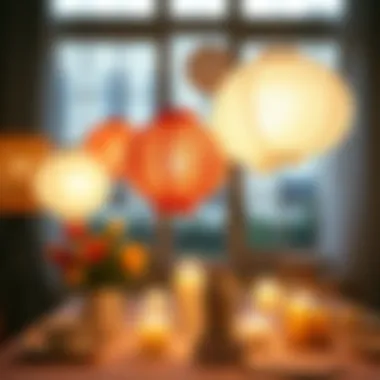
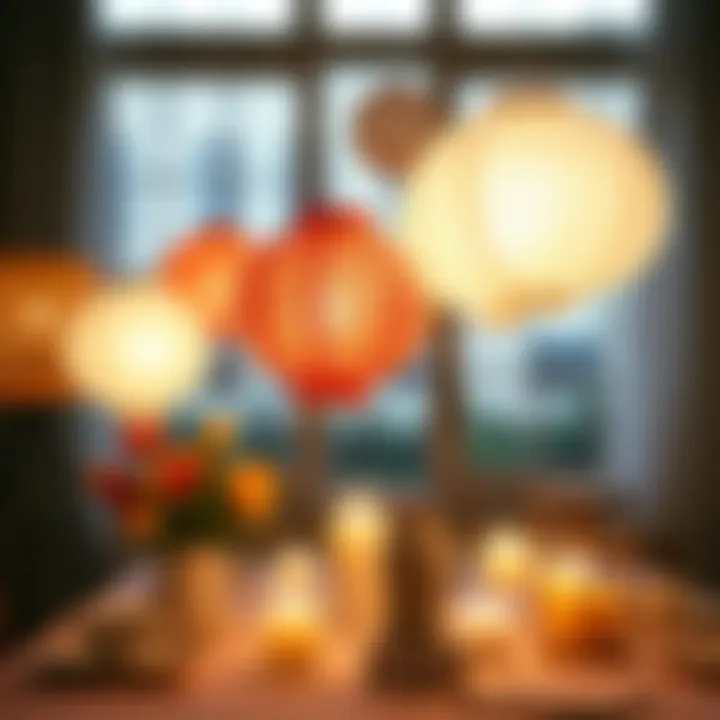
Key points to keep in mind:
- Groupings: Cluster lanterns in small groups to create focal points that draw the eye.
- Symmetry vs. Asymmetry: Decide on a symmetrical design for a classic feel or opt for asymmetrical arrangements for a more casual vibe.
- Space Management: Ensure there's enough room for guests to converse and dine comfortably.
Layering with Other Elements
Adding layers is a crucial part of developing a captivating centerpiece. It’s about mixing and matching different elements that work in harmony, creating a rich visual narrative. Here are three elements one might consider incorporating with paper lanterns:
Flowers
Flowers bring a splash of color and life to any arrangement. They compliment the delicate nature of paper lanterns beautifully. Opt for seasonal flowers to tie in with the theme of your event, such as vibrant sunflowers for summer or deep red roses for a romantic winter gathering.
- Key Characteristic: Freshness and fragrance elevate the ambiance.
- Benefits: Flowers can soften the structure of lanterns, creating a visually pleasing contrast.
- Consideration: Care must be taken not to choose overly fragrant flowers as this can overwhelm the senses.
Candles
Candles introduce warmth and a soft glow, merging perfectly with the translucent quality of paper lanterns. The interplay of the flickering candlelight and the lanterns creates a magical atmosphere, especially in evening events.
- Key Characteristic: Candles can be used as illuminating neighbors to the lanterns or set within them for a stunning effect.
- Benefits: Offers ambience, making the setting feel cozy and intimate.
- Consideration: Safety is crucial; you may want to use LED candles or ensure that the paper lanterns are far enough from any open flame.
Fabric Accents
Incorporating fabric accents adds texture and depth to your centerpiece. You might think of using table runners, lace pieces, or even sheer fabrics that can float around the lanterns. These fabric accents can enhance the overall theme virally and introduce a tactile element into your design.
- Key Characteristic: They can soften hard surfaces and introduce layers of movement.
- Benefits: Fabrics allow for creative flexibility, matching a range of themes—from rustic to elegant.
- Consideration: Make sure fabrics do not overwhelm the lanterns, but rather enhance their beauty and keep the focus on them.
Incorporating Lighting Techniques
Integrating lighting techniques can take the appeal of your paper lantern centerpieces to another level. It's essential to find the right balance that ensures the focal points attract attention without being too overpowering.
There are several ways to work with light:
- Use of string lights: LEDs can be wrapped around lanterns or draped across tables to add a twinkling effect.
- Directional lighting: Spotlights on centerpieces can draw focus to your beautifully arranged paper lanterns.
- Color Filters: Experiment with color filters to change the hue of the light that bounces off your lanterns, creating a more customized look.
"A thoughtfully designed centerpiece is not just a decoration; it is an essential part of the event’s atmosphere. It's where beauty and function intertwine, inviting guests to pause, admire, and engage."
DIY Paper Lantern Centerpieces
Creating DIY paper lantern centerpieces is not just an art; it’s an enjoyable way to infuse personality and creativity into an event. The value of crafting your very own centerpieces lies in the sense of accomplishment and the unique touch it brings to each gathering. Instead of opting for mass-produced items that might not resonate with the theme of your occasion, turning to DIY projects allows for customization that can suit any aesthetic or celebration. Such projects provide both a creative outlet and a budget-friendly alternative to store-bought decorations. Plus, who doesn’t enjoy a bit of hands-on activity, especially when it leads to stunning table displays?
Materials Required for DIY Projects
Before starting your crafting journey, gathering the right materials is key. Here’s a straightforward list of what you’ll need:
- Colorful paper or cardstock (choose patterns that complement your event)
- Scissors (for those snip-snips)
- Glue or tape (to hold the structure together)
- LED tea lights or small fairy lights (for illumination)
- Ruler (to measure your dimensions)
- Pencil (for marking)
- String or wire (for hanging lanterns, if desired)
Consider sourcing eco-friendly materials to align with sustainability goals. Many craft stores offer recycled paper options that can further enhance the charm of your lanterns.
Step-by-Step Construction Guidance
Building your lanterns can be both straightforward and rewarding. Here’s a step-by-step guide to help you bring your vision to life:
- Choose a Design: Pick a lantern design that resonates with your event. Skim through digital resources or Pinterest for inspiration.
- Cut the Paper: Using your ruler and pencil, measure and cut your paper into the desired dimensions. Keep in mind that larger paper can result in more ample lanterns.
- Create a Template: Draw the lantern’s shape or cutouts onto the paper. This could be abstract designs, motifs, or simple patterns.
- Score the Folds: Lightly score the areas where you will fold the paper. This ensures cleaner folds.
- Assemble the Lantern: Start gluing or taping edges together to create three-dimensional shapes.
- Add Lighting: Place the LED tea lights inside your lanterns for that magical glow.
- Final Touches: Add any embellishments or decorative elements like ribbons or tags to elevate the design further.
"Crafting brings imagination to life, turning straightforward materials into customized displays."
Customizing Designs to Fit Your Style
The beauty of DIY projects is that they are entirely adaptable to your tastes. You can mix and match colors, patterns, and sizes based on your event theme. Here are a few ideas to consider:
- Themes: If you’re hosting a garden party, soft pastels might be the way to go, while bold reds and golds can suit a festive celebration.
- Personalization: Adding initials or meaningful symbols can transform a simple lantern into a cherished keepsake.
- Layering Designs: Create variations within your lanterns by overlapping different patterns or using transparent paper for an ethereal effect.
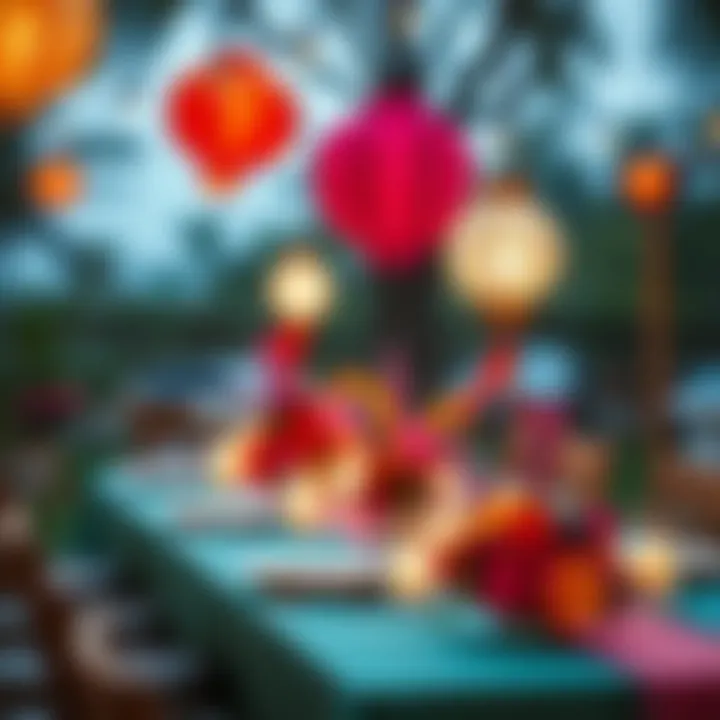
Embrace imperfections in your crafting process. Sometimes those little quirks end up making your creations even more special, reflecting your unique touch. By customizing your paper lanterns, you not only enhance the visual appeal but also inject a piece of your personality into your event.
Maintaining and Storing Paper Lanterns
Taking care of paper lanterns is not just about keeping them clean; it’s also about prolonging their life and preserving their charm. Proper maintenance and storage ensure that these decorative pieces maintain their original luster, allowing them to shine brightly for every occasion, whether a gathering of friends or a formal wedding. Understanding the factors involved in maintaining and storing becomes key to unleashing the full potential of your paper lanterns.
Cleaning Techniques for Longevity
Cleaning paper lanterns might seem like a mundane task, but it's essential for keeping them looking their best. Dust and grime can accumulate, making even the prettiest lanterns appear drab. A soft, dry cloth works wonders for most lanterns; just a gentle wipe can clear away light dust. For stains or scuffs, a slightly damp cloth with mild soap can be effective. Just be sure to pat dry afterward to prevent any dampness from causing damage.
- Avoid Harsh Chemicals: Paper lanterns are delicate, so steer clear of aggressive cleaning agents.
- Inspect: During cleaning, take a moment to assess your lanterns for any wear and tear, allowing you to address issues proactively rather than reactively.
- Avoid Excessive Moisture: Keeping water away is crucial – paper can warp if it soaks up too much liquid, leading to unsightly deformation.
"Even beautiful things need a little care to remain stunning."
Proper Storage Practices
After that get-together, it’s easy to stow away your paper lanterns in a hurry. However, proper storage is vital for preventing damage. When storing these charming embellishments, consider the following:
- Flat Storage: Always lay flat paper lanterns in a well-ventilated area, preventing crush damage.
- Avoid Direct Sunlight: Prolonged exposure to sunlight can cause paper to fade and colors to dull. A dark, cool place is most favorable.
- Grouping: If you have multiple lanterns, keep them grouped together but separated by sheets of acid-free paper to avoid sticking or scratching.
- Protective Covers: Consider using bags or bins designed for delicate items; it’ll shield them from dust and prevent potential accidents.
Taking just a bit of extra care when cleaning and storing paper lanterns can make a significant difference in their durability and overall aesthetic. With a little effort, you can ensure your lanterns stand the test of time, ready to add elegance and charm to your table settings whenever needed.
Sustainability Considerations
As we dive into the world of paper lanterns as table centerpieces, the topic of sustainability arises as a paramount concern. In an age where environmental awareness is at the forefront of many discussions, understanding how our decorative choices impact the planet is crucial. Utilizing paper lanterns not only adds charm and elegance to spaces but can also align with sustainable practices that promote ecological health. This section sheds light on the sustainable attributes of paper lanterns, covering materials used in their creation, their lifespan, and how they can be part of a greener future.
Eco-Friendly Materials Available
Choosing the right materials plays a significant role in the sustainability of paper lanterns. Many creators now prioritize eco-conscious options that diminish harm to the environment. These materials often include:
- Recycled Paper: This is a popular choice, as it gives new life to old paper products. Makers can produce stunning lanterns from 100% recycled content, which also reduces waste.
- Bamboo: Known for its rapid growth, bamboo is a sustainable resource. Lanterns made from bamboo not only look spectacular but are also biodegradable, further reducing their environmental footprint.
- Organic Cotton: Some tables are adorned with lanterns crafted from organic cotton, free from harsh chemicals and dyes, making them safer for the environment and for those who handle them.
- Soy-based Inks: Instead of harmful petroleum-based inks, eco-sensitive designs utilize soy-based inks, which are less detrimental to both the ecosystem and our health.
By opting for these materials, one makes a conscious effort to support sustainability while still embracing the aesthetic appeal of paper lanterns.
Durability and Reusability of Paper Lanterns
One of the often-overlooked aspects of sustainability is the longevity of products. Durability in paper lanterns can significantly enhance the sustainable value of these items. Lanterns that are well constructed can withstand multiple events and gatherings, thus reducing overall consumption. Here are a few points on their durability and how to maximize their reusability:
- Quality Craftsmanship: Choosing internationally recognized brands or local artisans known for quality ensures that your paper lanterns won’t fall apart after a single use.
- Design Versatility: Simple designs can adapt to various themes, allowing the same lanterns to be used across different events, from weddings to birthday parties, without looking repetitive.
- Storage Considerations: Investing time in proper storage will also prolong the life of your paper lanterns. They should be kept in a dry, cool place, away from direct sunlight to prevent fading or damage.
"Sustainable choices in decorations not only beautify our spaces but encourage a future where individuals remain conscious of their environmental impact."
Making informed decisions about materials and usefulness can focus efforts on creating a balance between style and sustainability. By prioritizing durable products made from eco-friendly sources, we foster an ethos of responsibility within our celebrations. Investing in paper lanterns that align with these sustainable values enriches not only our gatherings but also the world we inhabit.
Epilogue: The Evolving Role of Paper Lanterns in Modern Celebrations
As we draw this exploration to a close, it becomes clear that paper lanterns are far more than mere decorations; they are vessels of creativity and cultural expression, seamlessly weaving their way into contemporary event settings. Their adaptability allows them to gracefully complement both casual get-togethers and grand soirées alike, making them a versatile choice for anyone looking to make a statement at their tables.
The significance of incorporating paper lanterns into table centerpieces lies in their ability to harmonize aesthetics with functionality. With a rich history that bridges multiple cultures, these lanterns not only provide illumination but also evoke an emotional resonance. The flicker of candlelight inside a paper lantern can transform a mundane dinner into a magical experience, creating an ambiance that invites connection.
As we reflect on the elements discussed in this article, it’s worth noting a few key benefits of utilizing paper lanterns. They are cost-effective, easily customizable, and can be found in a myriad of styles and colors, ensuring they can align with any theme or occasion. Plus, DIY options allow for personal touches that resonate more deeply with hosts and guests. Altogether, their importance in modern celebrations can't be overstated; they carve out spaces of warmth and creativity at the heart of gatherings, fostering an atmosphere where memories are made.
Reflection on Aesthetic and Functional Attributes
Delving deeper into their aesthetic appeal, paper lanterns offer a blend of artistic beauty and practical use. Their designs evoke a sense of nostalgia, reminiscent of lantern festivals and cultural ceremonies. Today's designers are taking traditional forms and giving them a modern twist, integrating unique materials or using unexpected colors to fit contemporary tastes.
From festive hues that resonate with joyful celebrations to subtle tones that suit more intimate affairs, the possibilities are endless.
Moreover, consider how paper lanterns facilitate the functionality of a space. When used as centerpieces, they draw the eye, breaking the monotony of standard table setups. The soft glow provides a gentle illumination that’s inviting yet not overwhelming, striking a balance that encourages conversation.
In essence, paper lanterns serve not just as decor but as a narrative device, speaking of the gathering’s intent and spirit. Designing with them in mind invites a dialogue between the space and its occupants, capturing a moment that may otherwise feel fleeting.
Future Trends in Centerpiece Design
Looking ahead, trends in centerpiece design using paper lanterns are likely to evolve with shifting societal preferences and technological advancements. Sustainability will continue to be a strong driver; as eco-consciousness sharpens, more designers are leaning toward using biodegradable materials for paper lanterns. Lanterns made from recycled paper or organic fibers are already catching the eye of discerning event planners, elevating the aesthetic while minimizing environmental impact.
In conjunction with this, there’s a rising interest in interactive designs—lanterns that could blend with augmented reality applications to create a layered visual experience. Imagine guests scanning a lantern with their phones to unveil an artistic story relevant to the event’s theme. Such interactions could enhance the emotional and communal experience, deepening the significance of the centerpiece.
Also, there’s an obvious push towards mixing traditional lantern shapes with other forms, such as geometric designs or asymmetrical compositions. This blend keeps the visuals fresh and caters to younger generations who value innovation and uniqueness.