Makeup Mirror Light Bulbs: Enhancing Beauty and Utility
Intro
In the world of beauty, the right lighting is more than just a luxury; it is a vital component that shapes how makeup looks on the skin. This article unpacks the pivotal role that makeup mirror light bulbs play, blending glamour with practicality. From the sleek, crisp glow of LEDs to the warm, inviting ambiance of incandescent bulbs, understanding these options can dramatically enhance one’s makeup routine.
Makeup is an art, and like any artist, the makeup lover needs to work within the ideal conditions to get the best results. The way light interacts with skin tones and textures can make or break the final look. This exploration will not only clarify different types of light bulbs but also guide readers on how to set them up for optimal performance. By examining color temperature and bulb placement, we can significantly elevate the experience of makeup application.
Various innovative designs in modern makeup mirrors have also started to reflect our changing aesthetic preferences and practical needs, emphasizing the contemporary relevance of this topic. As we delve into these details, it’s clear that the marriage of light and beauty is a dynamic one, influencing both technique and result.
In the following sections, we will navigate through the different types of light bulbs, discuss their unique functionalities, and offer informed insights on achieving the best lighting for makeup application.
"Good lighting is more than seeing yourself clearly; it's about seeing the real you, and that's where the magic begins."
Stay tuned as we explore every illuminating aspect of this essential beauty tool.
Prolusion to Makeup Mirror Light Bulbs
In the world of beauty and grooming, the role of makeup mirror light bulbs is more than just functional; they serve to enhance everyday rituals into cherished experiences. These specific bulbs are not merely light sources; rather, they can transform an average mirror into a cherished tool that elevates one’s confidence. When makeup is applied under the right lighting, it adapts the hues to look radiant, whether in bright daylight or cozy evening settings.
Understanding makeup mirror light bulbs is critical for many reasons. First, they allow individuals to perceive colors accurately, which is paramount for achieving that flawless finish. Using subpar lighting results in misjudgments that could lead to a mismatched or unappealing aesthetic. If you’ve ever walked into daylight after applying your makeup, only to find out it doesn’t match, you know precisely what I mean.
Benefits of Choosing the Right Light Bulb:
- Color Accuracy: Proper lighting can present colors in their true shades, essential for a seamless blend.
- Mood Enhancement: Bright, flattering light can boost your confidence before stepping out.
- Functionality: Good lighting minimizes shadows and allows intricate details of your makeup to shine through.
Considerations regarding makeup mirror light bulbs often revolve around the type, brightness, and placement of the lights. Grasping these details can drastically alter a beauty routine, translating into significant time savings and elevated outcomes—no one wants to toil for hours, only to be disappointed by amenities that don’t serve their purpose.
In sum, this section sets the stage for the deeper exploration of not only the function of these light bulbs but their evolution as well. When you realize that makeup mirrors today reflect more than just vanity, it becomes clear that the right light can be a game changer.
Understanding Their Purpose
Makeup mirror light bulbs exist because a good reflection isn’t enough. The illumination they provide has a direct effect on application techniques, choices of products, and even the makeup styles one might transition to. Essentially, the primary aim of these bulbs is to simulate natural lighting, offering an accurate basis for any beauty endeavor.
Imagine preparing for a special occasion—having that perfect blend and shade visible is paramount. Without the right light, shadows and harsh lines can ruin any effort, leading to outcomes far from ideal.
The Evolution of Makeup Mirrors
From the simple glass panes of ancient times to today’s sophisticated designs, makeup mirrors have come a long way. In the earlier days, lighting was reliant on candles or rudimentary oil lamps. The lack of proper illumination meant that makeup application was often a risky endeavor.
Fast forward to the present: modern technology has brought forth mirrors that incorporate LED strip lights, adjustable brightness, and even smart features that can connect to your phone. These advancements not only lend functionality but sophistication to the act of self-adornment. Such evolution reflects societal changes, where beauty standards and definitions are always shifting.
Types of Makeup Mirror Light Bulbs
When it comes to crafting the perfect beauty routine, the type of light bulb used in makeup mirrors is crucial. These bulbs not only illuminate but also influence how makeup colors appear and apply on the face. Understanding various types of bulbs is fundamental for makeup enthusiasts, professionals, and anyone who values the significance of well-lit environments. With so many choices available, it can feel overwhelming. However, distinguishing between them based on factors like efficiency, warmth, and aesthetic can aid in making an informed decision.
LED Bulbs: Efficiency and Longevity
LED bulbs have taken the spotlight in recent years due to their remarkable efficiency and extended lifespan. Compared to traditional incandescent bulbs, LEDs consume significantly less energy, making them an eco-friendly choice. A typical LED can last for about 25,000 hours versus around 1,000 hours for incandescent bulbs. This longevity offers makeup artists and everyday users fewer interruptions for replacements, allowing more time to focus on the artistry of makeup application.
Additionally, LED bulbs provide bright, focused light that mimics daylight. This quality is essential for achieving a flawless makeup look. The consistent brightness can help to highlight details, ensuring that every stroke of the brush meets your standards. While some users might find the stark lighting too clinical, adjusting the placement or dimming options can tailor the experience to suit personal tastes.
Incandescent Bulbs: Warmth and Aesthetic Appeal
Incandescent bulbs are known for their warm light, which can create a cozy atmosphere ideal for many beauty routines. Their familiar glow adds a touch of elegance and softness, flattering skin tones better than stark, cold alternatives. For those who enjoy a glam aesthetic, these bulbs can amplify that feeling of luxury—a soft glow can make even the most basic makeup feel runway-ready.
However, they come with some downsides. Incandescent bulbs are less energy-efficient and have shorter lifespans than their LED counterparts. The cost to keep rewriting the perfect lighting can add up. Additionally, they tend to get quite hot, raising the room temperature, which may be an uncomfortable situation during prolonged makeup sessions.
So for those who choose incandescent, make sure you balance warmth with practical considerations. Using them strategically, perhaps for evening applications or special events, can ensure you benefit from their warm allure without the downsides too much.
Fluorescent Bulbs: Brightness Overview
Fluorescent lighting tends to provide a level of brightness that can flood a space with ample light, perfect for illuminating intricate details in makeup application. These bulbs can be an economical choice, often lasting longer than incandescent ones while providing considerable brightness. They work great in larger areas but can sometimes cast an unflattering harshness, depending on the design.
One common concern among users is the color rendering index (CRI) of fluorescent light, which can vary widely. Lower CRI can distort colors, leading to a mismatch between reality and what you see in the mirror. Thus, while budget-friendly, it’s advisable to choose higher-quality fluorescent bulbs that accurately reflect the makeup shades being applied. The right bulb can make a world of difference.
Comparative Analysis of Bulb Types
In the quest for the ideal lighting solution, a clear comparison of the strengths and weaknesses of each bulb type can be beneficial:
- LED Bulbs:
- Incandescent Bulbs:
- Fluorescent Bulbs:
- Pros: Lasts longer, energy-efficient, mimics natural light.
- Cons: Can be perceived as too bright by some users.
- Pros: Soft, warm, flattering light that enhances skin tones.
- Cons: Less energy-efficient, shorter lifespan, generates heat.
- Pros: Bright and economical, great for large areas.
- Cons: Can distort colors if CRI is low, occasionally harsh light.
Color Temperature in Makeup Lighting
Color temperature can often feel like a technical term best left to photographers; however, it plays an essential role in makeup application. The difference between a flawless look and one that appears washed out or overdone often boils down to this fundamental aspect of lighting. Knowing how to pick the right color temperature for a makeup mirror can dramatically elevate a person’s beauty routine, turning everyday makeup applications into professional-grade results. Let's delve into this important topic.
Understanding Kelvin Scale
The Kelvin scale measures color temperature and ranges from warm tones to cool whites. Understanding this scale is critical for hairstylists, makeup artists, and anyone who relies heavily on visual appearance.
- Warm Colors: Typically fall between 2700K and 3000K. They emit a soft, amber light reminiscent of a setting sun, which can create an inviting atmosphere. However, one must note that these tones can sometimes distort colors, particularly on skin textures.
- Neutral Colors: Sitting around 3500K to 4100K is often termed as the sweet spot for makeup application. It closely resembles natural light, providing the best view without off-putting hues.
- Cool Colors: These are around 5000K and above. They can be bright, but they may not flatter skin tones as much, as they tend to bring out shadowy details rather than enhancing the natural beauty.
By understanding the Kelvin scale, beauty professionals can choose lights that work harmoniously with the skin tones of their clients, ensuring that their makeup shines, quite literally, in the right light.
Optimal Color Temperature for Makeup
Choosing the best color temperature for makeup application is more than just a matter of preference; it profoundly influences the final look.
- Best Range for Makeup: Setting the color temperature between 3500K to 4100K will help you see the true hues of blush, foundation, and eyeshadow. This range boosts vibrancy while ensuring a realistic view of skin tones. It's akin to seeing oneself in daylight, which is vital for avoiding mistakes that come from using inadequate lighting.
- Personal Preferences: The ideal choice can also depend on individual skin types, makeup styles, and even the time of day. For example, those who favor bold colors on their faces might prefer a slightly warmer light to create a softer, more flattering vibe, while dramatic colors could benefit from a brighter, cooler environment.
Choosing the correct color temperature isn't just about aesthetics; it's about consistency in application. A successful beauty routine hinges on this consistency, and understanding these nuances is crucial for anyone aiming to nail that perfect look.
"Lighting can make or break you! Never underestimate the power of color temperature in your makeup journey."
In summary, knowing about color temperature helps to prevent dissatisfaction with makeup results and leads to a better understanding of how to light one's workspace effectively. For fashion designers, makeup artists, and retail workers, this knowledge can enhance their skills and boost confidence in their craft. With the right lighting setup, anyone can glow, inside and out.
Impact of Lighting on Makeup Application
The influence of lighting in makeup application can't be overstated. Proper illumination can transform a mundane makeup routine into a masterpiece. It’s not just about looking good; it’s about getting it right. Flawed lighting can lead to uneven application, which ultimately undermines the entire artistry involved in makeup. For fashion designers and stylists, understanding the impact of lighting helps in creating the perfect look for their clients.
Natural vs. Artificial Lighting
When it comes to makeup application, there’s an ongoing debate about the merits of natural versus artificial lighting. Natural light has a unique quality that is both flattering and honest; it reveals the true hues of skin and makeup. Think about it: when working outdoors or near a window, one can see exactly how products blend and react with the skin. Yet, how many times do we find ourselves applying makeup before dinner in dimly lit surroundings? This is where artificial lighting swings into action.
Artificial lights, especially those tailored for makeup application, come in various forms, like LED or incandescent. These can mimic natural light, although not perfectly. When using artificial lighting, the key is to pay attention to the color temperature. A soft white light often works best, as it’s more reminiscent of daylight, while cooler blue tones can distort colors and tones. Additionally, you don’t want to end up bathing yourself in a yellow glow, which can make every shade appear warmer than it actually is.
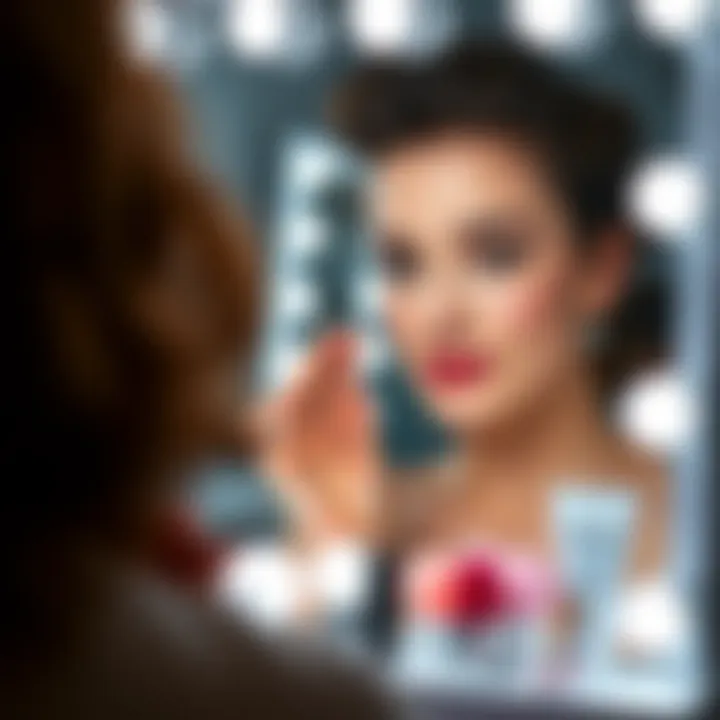
When setting up your station, remember these pointers:
- Find a good balance between natural and artificial lighting. If you can, try to work by a window during the day.
- Test various angles of artificial lights to see how shadows play across your face. Shadows can hide blemishes but can also accentuate them, dependent on placement.
- Consider using a ring light. It provides even, diffused lighting that minimizes shadows and helps highlight the details.
How Diffused Lighting Affects Application
Diffused lighting is your friend in the delicate art of makeup application. This type of lighting softens harsh shadows and creates a glowing effect. If you’ve ever walked into an environment that feels instantly calming and atmospheric, chances are, it had diffused lighting. In makeup terms, this boils down to even application and a flawless finish.
When natural or artificial light passes through a material or gets softened around a bulb, it diffuses, creating a more balanced light source. This reduces the harshness of direct light, which tends to exaggerate imperfections and fine lines. For professionals in the fashion industry, achieving a diffused look can make all the difference.
Here are tips to achieve diffused lighting:
- Use lampshades or soft filters on your light sources. This can reduce brightness while still providing ample illumination.
- Positioning your light at eye level helps in minimizing shadows. This way, the light falls evenly across your face.
- Invest in a good setup that allows customizable diffusing options to adapt to various situations, from daytime to evening settings.
"Good lighting is half the battle in makeup; you can only work with what you can see!"
Understanding how lighting interacts with makeup is both a science and an art. Recognizing this will allow you to refine your techniques and achieve flawless results with every application. Whether you're a seasoned professional or just starting, it makes a world of a difference to acknowledge the role of light in enhancing beauty.
Best Practices for Lighting Placement
When it comes to makeup mirrors, the placement of light bulbs plays a pivotal role in not just illuminating the face, but in enhancing the overall experience of makeup application. Getting this aspect right can make a marked difference in how makeup appears once finished. The reason for this significance is rooted in how our eyes perceive color and texture under different lighting conditions. A well-thought-out lighting design can mean the difference between a flawless finish and an unintentional garish look.
Height and Distance Considerations
The height and distance of light sources surrounding a makeup mirror are essential to ensure the most flattering effect. Generally, the lights should be positioned at eye level. This guideline helps to create an illumination that mimics natural sunlight, which is vital for those nuanced color matching and blending tasks.
If the bulbs are too high, shadows will fall on the face, distorting the true colors of the skin and makeup. Similarly, placing lights too far might wash out the details. As a rule of thumb, the distance should be roughly two to three feet away. Another useful approach is to place fixtures at 45-degree angles to the sides of the mirror—this way, you can maximize light distribution without creating harsh shadows. Ultimately, proper alignment can reinforce the glamour you expect from your look.
Creating an Evenly Lit Space
To achieve an evenly lit environment, it’s crucial to avoid relying on a single source of light. That one overhead bulb might seem adequate, but it rarely simulates the flattering boundaries needed for qualitative makeup application. Instead, consider a combination of ambient and task lighting.
- Task Lighting: This consists of focused light sources, like light bulbs on either side of the mirror. Each bulb should be around 60 watts if you're using incandescent bulbs or the equivalent in LED. The goal here is consistent brightness across the face.
- Ambient Lighting: This is the soft, general light in the room, which shouldn't overpower task lighting, but should help create a versatile canvas.
- Accent Lighting: This can also be used to cheer up the environment without creating harsh contrasts, often seen in makeup studios.
Creating a balanced mix allows you to avoid stark contrasts that could misrepresent how your makeup appears under different conditions.
Avoiding Shadows During Application
One of the sneakiest issues in makeup application is shadowing caused by improper lighting. Shadows can not only detract from self-confidence, but also affect how products are applied—especially foundations, concealers, and highlighters.
To avoid this, consider pairing conventional side lighting with a dimmable ceiling fixture, positioned to reduce any shadows cast directly onto the face. This multifaceted approach allows control over the brightness level, enhancing the detail of application. Furthermore, ensure that any wall-mounted fixtures are positioned correctly—ideally, they should illuminate the space without creating any glaring reflections in the mirror.
Tip: Installing light-diffusing screens or using wall sconces can assist in softening shadows, leading to a more appealing finish.
In closing, thoughtful lighting can transform a mundane routine into an artful practice. When the fundamentals of height, distance, and shadow management are mastered, makeup artists can better showcase their techniques and let their talents shine.
Innovative Makeup Mirror Designs
Makeup mirrors have come a long way from being mere reflective surfaces. Today’s designs are more than functional; they are stylish, smart, and aesthetically pleasing. The integration of light bulbs into these mirrors is crucial for enhancing both glamour and practicality. It's not just about having light; it’s about creating an experience. Modern consumers desire more than a simple reflection; they want a tool that redefines their makeup routines.
When talking about innovative designs, it’s important to highlight how technology has shifted the makeup mirror landscape. With features like built-in lighting and adjustable settings, today's mirrors cater to diverse lighting conditions without sacrificing elegance or functionality. This section sheds light on how these innovations contribute to better makeup application, making them essential in any makeup enthusiast’s toolkit.
Smart Mirrors with Built-in Lighting
Smart mirrors are revolutionizing makeup application. These devices not only reflect images but also come equipped with intelligent features that assist users. Many smart mirrors have integrated LED lighting that can mimic different environments, from natural daylight to soft evening glow. This helps artists and makeup lovers see how their makeup will appear under various conditions.
For instance, some smart mirrors allow users to adjust the color temperature and brightness using a simple touch or voice command. Imagine preparing for a night out while toggling between various lighting modes to ensure a stunning look under club lights or candlelight.
- Real-Life Benefits:
- Enhanced Accuracy: Seeing one's makeup in multiple lighting situations ensures a more refined finish.
- Convenience: Smart features streamline the makeup process by minimizing the need for additional lighting setups.
"Transforming routine practices with state-of-the-art technology can redefine beauty standards and application techniques."
Mirrors with Adjustable Brightness Features
Another noteworthy innovation in makeup mirrors is the adjustable brightness feature. Unlike fixed lighting, mirrors that allow brightness modulation grant users control over their application environment.
Setting the right brightness is integral. Too bright, and you risk washing out your colors; too dim, and blending can become an uphill battle. Adjustable mirrors cater to these needs, making makeup application more precise.
- Key Aspects:
- User-Centric Design: These mirrors are designed for individual preferences, whether you prefer an ultra-bright glow or a subtle ambiance.
- Flexibility Across Settings: For professional stylists, adjustable mirrors facilitate seamless transitions from bridal makeup in daylight to glamorous looks in evening parties.
In summary, innovative makeup mirror designs play an essential role in merging glamour with practical functionality. Smart features and adjustable brightness have adapted to the needs of today's beauty aficionados, empowering them to achieve flawless results effortlessly.
Maintenance of Makeup Mirror Light Bulbs
Maintaining makeup mirror light bulbs is not just a matter of keeping things tidy; it plays a crucial role in ensuring the overall functionality and aesthetic appeal of your beauty routine. Light bulbs are a vital component that directly affects how well one can see and apply makeup. Given their significance, understanding maintenance becomes an aspect worthy of attention.
When to Replace Bulbs
Recognizing the right time to replace light bulbs can save a lot of frustration while getting ready. Common signs that your bulbs need a change include:
- Flickering light: If the bulbs flicker or dim unexpectedly, it may be a signal that they are nearing the end of their lifespan.
- Color inconsistencies: A noticeable difference in light color can distort how makeup appears. If the bulbs shift from their intended warmth to an unsettling coldness, it’s time for replacement.
- Longevity: General longevity can be a guide, with LED bulbs lasting significantly longer than incandescent counterparts. Still, if you notice they’ve been around longer than their rated lifespan, it’s a red flag.
Timing plays a pivotal role here. Consider replacing bulbs every couple of years to maintain a consistent glow, unless any of the signs above appear. This approach ensures that the light quality remains optimal.
Cleaning and Care Instructions
Proper care can extend the life of your makeup mirror light bulbs and maintain the clarity of light. Dust, fingerprints, and grime can dull illumination and impact makeup application.
Cleaning the Bulbs
- Turn Off Power: Safety first! Always make sure the power is turned off before cleaning.
- Gentle Wipe: Use a soft, lint-free cloth to gently wipe the surface of the bulbs. Avoid harsh chemicals that may cause damage.
Care for Fixtures
- Keep Fixtures Dust-Free: Dust the mirror and fixtures regularly using a microfiber cloth or a duster to prevent buildup.
- Check Socket Connection: Ensure the connections are secure and clean, aiding efficiency and safety.
Ending
As we wrap up our exploration of makeup mirror light bulbs, it's essential to emphasize just how critical quality lighting truly is for effective makeup application and overall aesthetic appeal. Proper lighting enhances not only the functionality of a mirror but also the experience of applying makeup. When the light is just right, it allows for precision and brings out the best in colors and textures—a vital aspect for beauty professionals and enthusiasts alike.
Recapping the Importance of Quality Lighting
Quality lighting plays a monumental role in shaping makeup routines. It aids in the following ways:
- True Color Representation: Different kinds of light can significantly alter the appearance of makeup shades. Natural light is the gold standard for achieving a balanced view, while too harsh or dim light might mislead makeup choices.
- Flaw Detection: With the correct light, imperfections become noticeable, allowing for better blending and overall application. This is especially true in professional settings where scrutiny is heightened.
- Creating Ambiance: The right lighting contributes to an inviting aesthetic, enhancing the makeup artist's workstation or a personal practice space.
To put it plainly, investing in quality lighting isn’t just about adhering to aesthetic trends; it’s a matter of gaining the necessary tools in the toolkit for artists and everyday users alike. Quality lighting is foundational for presenting oneself in the best light—quite literally!
Future Trends in Makeup Mirror Lighting
Looking forward, the evolution of lighting in makeup mirrors is promising. Here are trends to keep an eye on:
- Smart Technologies: Integration of smart tech into mirrors, allowing for customizable lighting settings based on skin tones, time of day, or even specific occasions. Imagine a mirror that suggests the optimal light brightness and color temperature based on the task at hand.
- Eco-Friendly Options: As sustainability becomes more prominent, the industry will likely see an uptick in energy-efficient lighting options that don’t compromise on performance. Expect to see advancements in LED technology to further reduce environmental impact.
- Interactive Features: Mirrors that include augmented reality functionalities to visualize makeup looks before application. This adds a layer of functionality that could revolutionize how products are selected and applied.
- Minimalist Designs: As personal spaces become more important, sleek, stylish designs that hide lighting solutions while still delivering on quality will likely rise in popularity. These designs will cater to individuals seeking both aesthetic appeal and practical efficiency.