
Ultimate Guide to Low Pile Indoor Door Mats
Intro
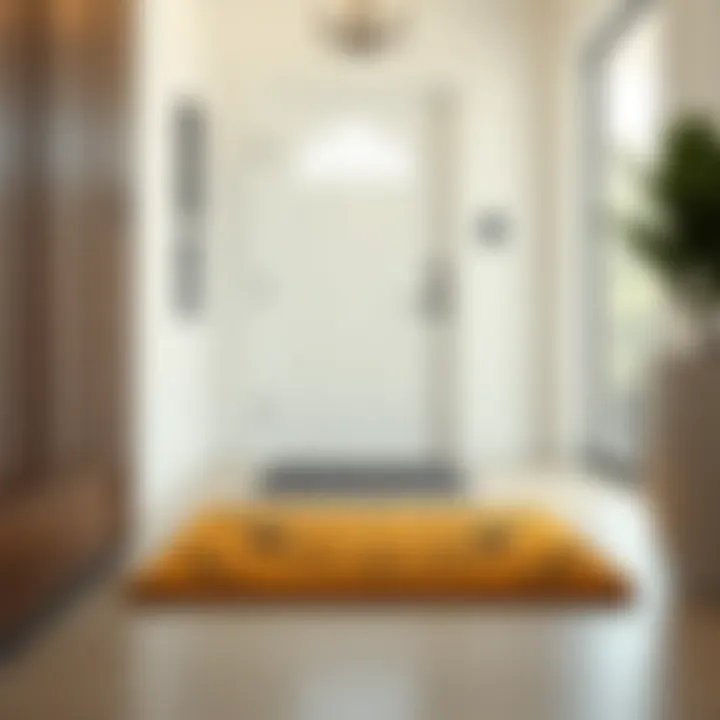
When it comes to elevating the first impression of your home, low pile indoor door mats emerge as unsung heroes. These functional accessories play a crucial role in both aesthetics and practicality. They not only welcome guests with warmth but also keep your indoor spaces clean by trapping dirt and moisture. It might seem like a small detail, but choosing the right door mat can significantly affect the atmosphere of your entryway.
In this guide, we delve into the world of low pile indoor door mats—exploring everything from materials to designs, ensuring you make an informed decision. Whether you're a homeowner looking to refresh your space or a retailer seeking to stock stylish yet functional options, this comprehensive resource is crafted with you in mind.
We’ll examine the characteristics that define low pile mats, the benefits of their utility, and what to consider before investing your money. This overview focuses on options that not only serve a purpose but also complement your interior decor. By the end, you’ll have a clear understanding of how these mats can transform an entryway, making it a more inviting place for everyone who walks through the door.
Understanding Low Pile Indoor Door Mats
Low pile indoor door mats are a practical and stylish choice for many homes and businesses alike. This section will explore what these mats are, why their characteristics matter, and the role pile height plays in their overall performance and aesthetics. When it comes to entryways, the right mat can make a world of difference, and understanding these elements helps in making informed decisions.
Definition and Characteristics
At their core, low pile indoor door mats are characterized by shorter fibers, typically ranging from about one-eighth to one-half inch in height. This specific cut gives them a sleek profile that not only allows for easy opening and closing of doors but also helps in preventing dirt and moisture from being tracked in.
These mats are usually made with durable materials selected for their ability to withstand foot traffic, while also being easy to clean. You can find them in a variety of textures and finishes, which cater to different home styles—from contemporary to rustic. For instance, you might find a contemporary low pile mat made from synthetic fibers with a smooth surface, whereas a more traditional style might boast natural fibers like coir or jute, offering a tougher grip.
What’s important to note is that the low pile characteristic facilitates a dual purpose. They create an inviting look while ensuring safety, reducing the risk of tripping—a critical consideration for homes with children or elderly individuals.
The Importance of Pile Height
The pile height of a door mat isn’t just an arbitrary number; it significantly impacts both function and style. Mats with lower pile heights generally offer enhanced stability underfoot, which is essential especially in high-traffic areas. A short pile means less fabric to snag or wear down, granting these mats a longer lifespan, often making them more cost-effective in the long run.
Now, let’s talk about maintenance. Low pile mats are easier to clean and dry faster than their thicker counterparts. When you spill something or notice dirt accumulation, a quick shake or a light vacuum usually suffices to keep them looking sharp.
Furthermore, the aesthetic advantage of low pile mats can’t be overlooked. Their sleekness can suit various decor styles seamlessly and they often lie flat against surfaces. In contrast, thicker mats might clash with modern design preferences by appearing bulky or out of place.
"A low pile mat is like a reliable friend—always there when you need it, without getting in the way."
In summary, understanding low pile indoor door mats is crucial for anyone looking to enhance their entryways with style, safety, and practicality. It’s not simply about picking a color or a pattern; it involves an appreciation of how height, material, and functionality converge into an essential home accessory.
Materials Used in Low Pile Indoor Door Mats
When selecting low pile indoor door mats, the materials used hold significant sway over their functionality, durability, and aesthetic appeal. The choice of material impacts various aspects, from maintenance ease to the mat's ability to withstand foot traffic. Understanding these materials allows consumers to make informed decisions for their entryway designs.
Synthetic Fibers
Synthetic fibers have become a cornerstone in the production of low pile indoor door mats. Materials like polypropylene, nylon, and polyester are commonly employed due to their resilience and low maintenance requirements. These fibers are known for their durability, which means they can handle high foot traffic without losing shape or appealing texture.
- Durability: Synthetic materials are often resistant to stains and fading, making them an excellent choice for door mats used in high-traffic areas.
- Easy Care: Most synthetic mats are washable and can be easily cleaned with just a damp cloth or vacuumed, saving time for busy homeowners.
- Variety of Designs: Given that synthetic fibers can be dyed in various shades and patterns, these mats can complement various interior styles, whether modern or traditional.
Nevertheless, some might argue that synthetic materials can lack the character of natural fibers. However, newer technology has allowed for intricate designs that can mimic the look of organic materials effectively.
Natural Fibers
Contrarily, natural fibers offer a unique charm that synthetic options might not replicate. Materials such as jute, cotton, and wool bring warmth and texture to indoor spaces.
- Aesthetic Appeal: Natural fibers are often favored for their organic look and feel, providing a more rustic or homey vibe. They can effortlessly add a splash of nature to a setting.
- Breathability: These materials tend to be more breathable than synthetics, reducing moisture build-up and fostering a healthier indoor environment.
- Sustainability: Sourced often from renewable resources, natural fibers can be a better choice for environmentally conscious consumers.
However, one should be cautious—the maintenance for natural fiber mats can be a bit trickier. They might absorb stains more easily than synthetic ones, and some materials can be less durable over time, particularly in the face of moisture or heavy wear.
Innovative Eco-friendly Options
In recent years, there's been a marked shift towards sustainability in production practices, leading to the rise of eco-friendly door mats. These utilize recycled materials or sustainably-sourced fibers that not only reduce waste but also promote a healthier environment.
- Recycled Materials: Some mats are crafted using recycled plastics or textiles, contributing to waste reduction while maintaining functionality.
- Biodegradable Fibers: Products made from agave fibers or natural rubber can decompose easily, minimizing their environmental impact once they are no longer in service.
- Green Certifications: Consumers can look for eco-labels when selecting these mats, which guarantee adherence to environmental standards.
Embracing these innovative options contributes to a more sustainable living approach while enhancing the aesthetic value of interior spaces.
Utilizing eco-friendly materials in home décor is not just a trend; it represents a commitment to a healthier planet.
In sum, the materials used in low pile indoor door mats encapsulate both practical advantages and personal expression. Whether you lean towards the durability of synthetic fibers, the rustic charm of natural fabrics, or the environmental benefits of eco-friendly alternatives, understanding these materials enables you to tailor your choices to your specific needs and style.


Benefits of Low Pile Indoor Door Mats
When we think about entryways, the first thing that comes to mind is often aesthetics. However, these spaces are quite functional, and low pile indoor door mats play a pivotal role in both serving practical needs and complementing your home's interior design. Understanding the benefits of these mats makes it clear why they should be on everyone’s radar, especially for fashion designers, stylists, and retail workers.
Ease of Cleaning
One of the most significant advantages of low pile indoor door mats is their ease of cleaning. The shorter fibers of these mats trap dirt and debris effectively without the hassle that thicker mats entail. Just a quick shake or vacuum usually does the trick.
Consider this: you’ve just finished a project at a client's home. Their entryway is a mix of natural materials that you admire, and you want to leave it pristine – a low pile mat allows you to keep things tidy without further effort.
Key Points About Cleaning:
- Low Maintenance: With the right approach, most low pile mats can be cleaned with just a brush and a quick rinse.
- Stain-Resistant Options: Many low pile mats utilize materials designed to repel stains, ensuring your mat remains looking sharp even in a high-traffic area.
- Machine Washable: A variety of these mats are safe to toss in the washing machine, making life even simpler.
Reduced Trip Hazards
Another crucial benefit is the reduction of trip hazards. Low pile door mats lie flat against the floor, which minimizes the risk of catching a toe or tripping altogether. For areas that see heavy foot traffic, this could be a real game-changer.
Imagine a bustling boutique – customers hurrying in and out. A low pile mat holds its ground, reducing the chance of slips and falls that could lead to injury or liability. Not only does it keep your space safe, but it also ensures that the design remains streamlined and professional.
Advantages in Safety:
- Flat Design: Less likely to curl or bunch, unlike thicker alternatives.
- Suitable for High Traffic Areas: Perfect for homes or commercial spaces.
- Good Grip: Many low pile mats are equipped with non-slip backing, enhancing their safety.
Versatile Design Options
Low pile indoor door mats come in numerous designs, making them incredibly versatile for stylistic choices. Whether you're looking for something bold and artistic or subtly elegant, there's a low pile mat out there that suits your vision.
Consider how these mats can harmonize with other decorative elements in a room. A low pile mat with geometric patterns can add a contemporary edge to a modern space, whereas a mat with floral designs can bring a softer touch to a more traditional setup.
Design Considerations:
- Color and Texture Variation: Choose hues that either clash deliberately for an eclectic look or harmonize for a more cohesive appearance.
- Customizable Options: Many retailers provide the option to personalize mats, aligning them with your branding or vision.
- Play with Scale: Depending on the size of your entryway, selecting a mat that complements your furniture can dramatically impact visual flow.
For more insights and tips on home decor, visit Wikipedia and Britannica for reliable resources.
Choosing the Right Low Pile Indoor Door Mat
Selecting a low pile indoor door mat is more than just picking something that looks good or fits your budget. It's a decision that holds implications for the functionality of your entryway, the aesthetics of your home, and even the long-term durability of the product. A well-chosen mat can serve as a silent guardian, keeping dirt and debris at bay, while also enhancing the overall design of the space.
Evaluating Size and Shape
One of the first steps in choosing the right low pile indoor door mat is determining the size and shape that complements your doorway. A mat that’s too small can look lost and offer insufficient cleaning capabilities, while one that’s overly large may overpower the entrance, leaving little room for foot traffic.
To get started:
- Measure your entryway: Grab a tape measure and jot down the dimensions of the space.
- Consider traffic flow: Think about how people will move through the area. Will you need a rectangular mat that elongates with a hallway, or a square mat that frames a cozy entryway?
Don't forget about shape! Round mats can soften the angles of a geometric room layout, whereas angular mats can emphasize a more modern feel. Finding that right fit is what can transform your entryway from a simple pass-through into a warm welcome.
Selecting Appropriate Patterns and Colors
The color and pattern of a low pile mat can say a lot about your personal style and contribute significantly to the ambiance of your home.
Consider what you want to convey:
- Neutral tones like beige or gray can create a calm atmosphere and hide dirt well.
- Vibrant colors or bold patterns can serve as a statement piece, drawing the eye and adding character.
When picking patterns, also think about existing decor. Are there specific motifs in your home? Floral or geometric patterns can either complement or clash, depending on how they interact with your overall style. For instance, a modern geometric mat might enhance a contemporary space, while a floral design could add warmth to a rustic environment.
Assessing Durability and Lifespan
When you're investing in a door mat, it's vital to consider not just how it looks, but how long it will last. A durable mat can withstand the wear and tear of daily use, requiring you to replace it less frequently.


Pay attention to:
- Material: Synthetic mats, like those made from nylon, often exhibit greater resistance to fading and moisture absorption. On the other hand, natural fibers like coir tend to have shorter lifespans but offer unique aesthetic value.
- Construction: Look for tightly woven mats without loose fibers. Higher density fabrics usually equate to longer usage.
Also, check for any warranties or guarantees provided by the manufacturer; these can give you an indication of the confidence they have in their product’s durability.
"A door mat is not just a mat, it’s the first line of defense against dirt, and the first impression of your home’s style."
In sum, the right low pile indoor door mat should not just fit your doorway; it must enhance your home's aesthetic while also being practical in function. Consider size, shape, patterns, colors, and durability as essential aspects of this purchase. With careful thought and consideration, a door mat can become a beautiful entryway accent that merges functionality with style, making your home both inviting and practical.
Maintenance and Care of Low Pile Indoor Door Mats
Taking care of low pile indoor door mats goes beyond mere cleaning; it's an essential aspect of maintaining the beauty and functionality of your entryway. Regular maintenance ensures that these mats not only last longer but also perform their duties effectively. After all, a clean mat contributes to a cleaner home environment, reducing dirt and grime from being tracked inside. To help you keep your mats in pristine condition, we will go over key practices and considerations.
Routine Cleaning Practices
Keeping your low pile indoor door mat clean doesn’t have to be a chore. Regular maintenance can be as simple as a quick shake, vacuum, or wipe-down to keep it looking fresh. Here are some practical steps:
- Vacuuming: This should be your go-to method. Use a vacuum cleaner with a brush attachment to gently lift dirt and debris. Aim to do this once a week, or more often if your home sees heavy foot traffic.
- Shake it Out: If the mat is small enough, take it outside and give it a good shake. This simple act can remove a surprising amount of dirt and pet hair.
- Spot Cleaning: For any spills or stains that occur, act fast. Blot the area with a cloth dampened in mild soapy water, then rinse with clean water and let it air dry. Remember not to soak the mat, as that could damage its backing.
Maintaining a consistent routine not just prolongs the life of the mat, but also helps maintain the aesthetic appeal of your entryway.
Deep Cleaning Techniques
Every once in a while, your low pile indoor door mat will need a thorough cleaning. This helps to get rid of stubborn stains and odors that might have settled over time. Here’s how to go about it:
- Machine Wash: If the mat is machine washable (always check the care label), do so on a gentle cycle with cold water. Concentrate on using a mild detergent to avoid fading.
- Soaking Solution: For those mats that are not machine washable, create a soaking solution using warm water and a gentle detergent. Submerge the mat in the solution for a while, then use a soft brush or cloth to scrub the surface gently. Rinse thoroughly and let it dry completely.
- Drying: Never put the mat in the dryer. Instead, hang it up or lay it flat to dry, avoiding direct sunlight which could cause fading over time.
By conducting deep cleaning periodically, you ensure that your indoor mat remains free from allergens and unpleasant smells, contributing to a healthier living environment.
Storage Recommendations
If you find yourself needing to store your low pile indoor door mat, perhaps due to seasonal changes or home renovations, here are key considerations:
- Clean Before Storing: Always clean the mat thoroughly before rolling it up for storage. Dirt and moisture can lead to mold or mildew, which can damage the material.
- Roll, Don’t Fold: When packing the mat away, roll it up instead of folding. This prevents creases that may not be easy to remove later on.
- Ideal Storage Conditions: Store the rolled mat in a cool, dry place, away from direct sunlight to avoid any color fading or material breakdown.
- Use Protective Covers: If you have space, consider placing the mat in a breathable cloth cover to protect it from dust and potential pests.
Taking appropriate care and maintenance of your low pile indoor door mats can save you the trouble of frequent replacements and ensure they remain a charming element of your home design.
"A little care goes a long way; maintaining your mats ensures they keep doing their job, while also looking their best."
For more tips on proper cleaning and care, you can refer to resources such as Wikipedia or Britannica for general cleaning advice.
The Role of Low Pile Indoor Door Mats in Interior Design
Low pile indoor door mats serve a significant role in interior design, acting as both functional objects and stylish amenities. Their presence at the entrance of a home is often the first thing guests notice, providing a crucial opportunity to shape initial impressions. How these mats interact with the overall decor can make a palpable difference in ambiance and aesthetics.
Enhancing Entryways
Entryways often act as the transition point between the outside world and personal spaces. A well-chosen low pile indoor door mat helps in defining this area, giving it both visual weight and a sense of welcoming.
Imagine a quaint home with an entryway that boasts rustic wooden flooring. A soft, low profile jute mat can not only protect the floor from dirt but also tie together the organic elements of the space. Colors and textures can draw attention; for instance, a mat with a subtle herringbone pattern can provide depth and sophistication.
Low pile mats can easily be layered with decorative runners, allowing for a more dynamic entryway design. This layering not only protects high-traffic areas but adds personality and character, making the entryway feel complete.
Complementing Other Decor Elements
Finding harmony between a door mat and existing decor is a fine art. It’s not just about choosing a color that matches the walls or furniture, but rather about enhancing the overall design language. A tactile sensory experience is created when a low pile mat complements the surfaces around it. For instance, a low pile mat made from recycled materials can perfectly align with a modern, eco-conscious aesthetic.
When considering decor themes, one might opt for geometric patterns to contrast with soft, rounded elements like a plush sofa or a round mirror. Combining different styles—like a chic matte black mat nestled beside a lush, bohemian-inspired plant—can lend depth and intrigue. It’s these subtleties that reflect one's design ethos.
Creating a Cohesive Style
A well-planned cohesive style goes beyond mere color matching; it's about creating a narrative through design. The textures of low pile mats unify varying elements within a space. For instance, a sleek, low pile indoor mat can complement polished concrete floors, echoing the defined lines of contemporary design.
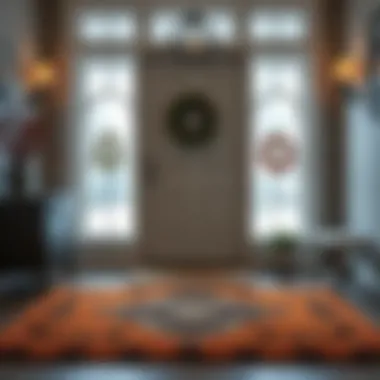

Integrating low pile mats into the broader decor also plays a role in consistency. If a home features a series of materials—like metal fixtures, wooden accents, and fabric furniture—the mat should tie these elements together. Choosing unified color schemes or similar textures across the mats and furnishings can evoke a sense of flow, guiding the eye gracefully from one section of a room to another.
"A cohesive style not only enhances beauty but also creates an inviting atmosphere that resonates with anyone who steps inside."
Sustainability Considerations
Sustainability has become a cornerstone of modern consumer decision-making, and the realm of interior design is no exception. Low pile indoor door mats not only serve practical purposes in maintaining cleanliness and safety but also present opportunities for eco-conscious choices. Emphasizing sustainability in door mat production can lead to benefits that extend well beyond the aesthetics of an entryway. Let's explore two pivotal aspects: eco-friendly production methods and the availability of recyclable and biodegradable options.
Eco-friendly Production Methods
The journey of an indoor door mat begins long before it even lands at your doorstep. Eco-friendly production methods play a critical role in reducing the environmental footprint of these mats. Manufacturers are increasingly opting for sustainable practices that minimize waste and energy consumption.
- Material Sources: Many brands focus on sourcing raw materials that are renewable. For instance, using recycled plastics or organic cotton reduces the need for new resources and limits landfill contributions.
- Water Usage: Water conservation is key. Production processes are being optimized to consume less water, which is an essential consideration in areas facing water scarcity issues.
- Chemical Reduction: Zero or low VOC (volatile organic compounds) materials are trending, as they contribute to better indoor air quality. This is a win-win; consumers benefit from healthier living spaces, and manufacturers align with eco-friendly standards.
By choosing mats produced with these methods, consumers can play a part in an eco-conscious cycle, marking each entryway not just with a mat, but with a commitment to sustainability.
Recyclable and Biodegradable Options
As environmental awareness rises, so does the demand for products that do not contribute to long-term waste in our ecosystems. Low pile indoor door mats are being developed with these considerations in mind, making them not only functional but also environmentally responsible.
- Recyclable Mats: Various door mats are now designed for easy recycling at the end of their life cycle. Materials like old rubber tires or plastic bottles can be repurposed into new mats, giving consumers peace of mind that their mats won’t end up in a landfill.
- Biodegradable Choices: Some options are made from natural fibers that break down over time, such as jute and coir. This means when they reach the end of their usage, they can decompose without leaving harmful residues behind.
"Opting for recycled or biodegradable mats not only beautifies your home but also champions a more sustainable world."
In summary, as we navigate through the crowded marketplace of home furnishings, understanding and prioritizing sustainability in products like low pile indoor door mats empowers consumers to make informed choices that reflect their values, enhancing both their living spaces and the planet.
Trends in Low Pile Indoor Door Mats
Keeping pace with the current trends in low pile indoor door mats is essential for anyone involved in interior design or retail. Understanding these trends helps professionals provide options that not only fit the functional aspects of door mats but also align with modern aesthetic preferences. Moreover, as people become more conscious of their living environment, the selection of entryway mats reflects not just a practical choice, but also a lifestyle statement.
Contemporary Designs
When we talk about contemporary designs in low pile indoor door mats, it’s crucial to highlight how they cater to diverse tastes while embracing minimalism and functionality. Today, many mats feature geometric patterns and subtle textures, offering a sleek look that doesn’t overwhelm entryways.
Neutral tones like greys, beiges, and whites are gaining traction, seamlessly blending with various decor styles, from Nordic simplicity to industrial chic.
- Natural Patterns: Some designers have turned to organic motifs, such as leaf imprints or abstract landscapes. These designs help introduce a touch of nature indoors, softening the urban environment.
- Bold Accents: While minimalism has its place, there's also a shift towards vibrant pops of color that can liven up an otherwise dull entrance. Deep greens and rich reds are becoming popular choices, providing a warm welcome.
It's noteworthy that custom designs are finding their way into homes. With advanced printing technologies, homeowners can now personalize their mats with family names, quotes, or unique patterns, making their door mats not just functional, but also a form of personal expression.
Cultural Influences
Cultural influences play a significant role in the evolving landscape of low pile indoor door mats. The fusion of traditional motifs with contemporary aesthetics highlights the richness of cultural diversity available today:
- Ethnic Patterns: The increase in global travel has spread awareness of various cultures, inspiring the incorporation of traditional patterns. Rugs featuring Indian block prints or Moroccan tiles are making a notable comeback.
- Cultural Storytelling: Many mats today have histories etched within their designs. For instance, a mat showcasing a Phoenix can symbolize rebirth or renewal, adding a layer of meaning to its presence at the door.
"Cultural storytelling through design not only beautifies our spaces but also connects us to a deeper narrative, fostering a sense of belonging and identity."
Understanding these cultural nuances can significantly influence customer preferences, pushing designers and retailers to curate collections that resonate on an emotional level.
For further insights on interior design trends, you can visit Wikipedia or Britannica.
Engaging with these elements ensures the selected low pile indoor door mats not only serve their practical purpose but also elevate the overall aesthetic of home environments.
The End
The conclusion of this guide serves as a pivotal summation of the multifaceted aspects of low pile indoor door mats. Understanding the various attributes, materials, benefits, and design implications of these mats is crucial for anyone looking to enhance their entryways. The right door mat functions not only as a practical item that traps dirt and moisture but also as an element of interior decoration that welcomes guests with style and sophistication.
Summary of Key Points
As we have navigated through the article, key concepts have emerged:
- Definition and Characteristics: Low pile mats, typically ranging from 0.25 inches to 0.5 inches in height, provide a sleek, unobtrusive look to entry zones while maintaining their functional advantages.
- Materials: There’s a diverse array of materials from synthetic fibers such as nylon, known for durability, to natural options like cotton which offer softness and absorbency.
- Benefits: From easy maintenance routines that keep the mats looking fresh, to their contribution in reducing trip hazards, low pile indoor door mats are designed for both style and safety.
- Interior Design Role: They serve as a crucial design element, enhancing the entryway aesthetic and complementing home decor by adding texture and color.
- Sustainability: Eco-friendly options exist, with materials that are recyclable or biodegradable, allowing for environmentally conscious choices.
Final Thoughts on Choosing Indoor Door Mats
When selecting a low pile indoor door mat, consider factors that align with your personal taste and practical needs:
- Evaluating size and shape: Ensure the mat fits well in your entry space without interfering with door actions.
- Patterns and colors: Choose designs that resonate with your style, whether you prefer neutral tones or vibrant prints.
- Durability: Assess the lifespan based on the material and design. Investing in a high-quality mat can save costs in the long run by reducing the need for replacements.
In essence, low pile indoor door mats are not merely utilitarian items; they represent an intersection of quality, sustainability, and aesthetics. By making informed decisions based on the insights provided, consumers can choose mats that meet their functional needs while also enhancing their home environment. Through careful selection, it's possible to reflect one's unique style right from the doorstep.