Farmhouse Style Doormats: Enhance Your Home Entrance
Intro
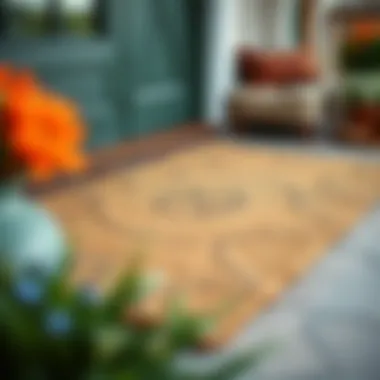
When you step through the threshold of a home, what greets you first? Often, it’s the humble doormat, your first line of defense against the outside world. In today’s landscape of home decor, the farmhouse style doormat stands out. It embodies both coziness and functionality, making it an essential accessory for anyone looking to enhance their entryway.
This guide examines the significance of farmhouse style doormats, not just as decorative pieces but as reflections of personal taste and lifestyle. With a focus on their aesthetic appeal, material choices, and upkeep, we aim to provide comprehensive insights and practical advice, ensuring that these doormats can complement a variety of home styles seamlessly.
Let’s step into the world of farmhouse style doormats—where practicality meets charm, creating a warm invitation for guests and family alike.
Current Trends in Doormat Fashion
The world of farmhouse style doormats reflects current trends in design and lifestyle preferences. With a growing inclination towards sustainability and authenticity, here are the relevant points:
Key Styles of the Season
- Natural Fibers: Jute and coir are gaining traction, celebrated for their eco-friendliness and texture. They provide a rustic touch, perfect for that charming farmhouse look.
- Personalized Options: Custom doormats with monograms or welcome messages are all the rage. They add a personal touch, making a house feel more like a home.
- Graphic Designs: Bold graphics and patterns are stepping in, offering a modern twist to traditional doormat designs. Look for options that combine both artistry and function.
Influential Designers and Their Impact
Prominent designers are placing an emphasis on the farmhouse style in home decor. They blend tradition with modern aesthetics, pushing the boundaries of what a doormat can represent. The likes of Joanna Gaines, known for her emphasis on simplicity and warmth, have inspired countless homeowners to integrate farmhouse elements into their spaces.
The doormat is often overlooked, but it can serve as an effective storytelling tool for your home. A carefully selected piece tells your guests how they can expect to feel within your abode.
Practical Guidance for Selecting Doormats
Choosing a doormat that perfectly aligns with your personal style can be straightforward if you consider a few key factors.
Guidelines for Choosing the Right Materials
- Durability: Look for materials like coir, rubber, or synthetic fibers that withstand various weather conditions.
- Texture: A rough surface can effectively scrape off dirt while adding character. Smooth surfaces, on the other hand, often lend to more sophisticated designs.
- Color and Pattern: Choose colors that coordinate with your exterior decor. Patterns can either enhance or distract from your entryway’s overall appeal.
Tips for Maintaining Your Doormat
- Regular shaking and vacuuming can help maintain its appearance.
- If you encounter stubborn stains, gentle scrubbing with soapy water can do wonders.
- For models with intricate designs or textures, periodic deep cleaning is advisable to retain their charm.
A well-chosen doormat creates an immediate impression, inviting guests and setting the tone for the home’s essence.
For more information on designs and styling tips, you may refer to Wikipedia and Britannica for extensive resources.
Understanding Farmhouse Style
When we talk about farmhouse style, we’re diving into a design movement rooted in the beauty of simplicity and function. This aesthetic isn’t just about how things look; it’s about creating a warm, inviting environment that tells a story. It pulls inspiration from rural life, embracing comfort while subtly nodding to nostalgia, which makes it exceptionally relevant when discussing elements like doormats.
Defining the Aesthetic
Farmhouse style embodies a blend of rustic charm and contemporary energy. To define it is to acknowledge its key characteristics:
- Natural Materials: Think wood, stone, and metal elements, reminiscent of old barns or country homes.
- Light, Neutral Color Palettes: Soft whites, faded greens, and gentle greys dominate, allowing for versatility and calmness.
- Functional Decor: Items aren’t just there for show; they serve a purpose. This goes hand in hand with how a doormat isn’t merely a decorative touch at an entryway—it’s practical yet stylish.
- Mix of Old and New: It's common to see antique pieces alongside modern furniture, crafting an inviting yet sophisticated space.
Understanding this aesthetic helps in appreciating why farmhouse style doormats are more than just floor coverings. They are the first impression of a home, setting the tone right from the get-go.
Key Elements of Farmhouse Design
Delving into farmhouse design leads us to some fundamental elements that elevate its charm:
- Open Spaces: The layout often revolves around creating open, airy spaces. Large doorways, high ceilings, and minimal clutter allow natural light to flourish.
- Cozy Textiles: Fabrics play a big role in achieving warmth. Soft throw pillows, comfy blankets, and yes, the doormats you choose, all come together for tactile comfort.
- Handcrafted Details: There’s a certain allure to the handcrafted. Whether it’s pottery or a woven basket, these unique items tell tales of the artisans who made them.
- Nature-Inspired Decor: Bringing the outside in is a common theme, with plants, floral patterns, and earthy tones enhancing the overall vibe.
- Vintage Touches: Incorporating vintage elements and family heirlooms encourages a sense of history and connection.
Each of these key elements harmonizes to create a warm, family-centric atmosphere, making it clear why farmhouses evoke such strong feelings of comfort and belonging.
Exploring the farmhouse style is essential when selecting doormats, as they not only convey aesthetic value but also represent functional benefits, setting the stage for comfort and warmth at every entrance.
"The heart of a farmhouse is not in its physical structure, but in its ability to embrace and nurture those who enter."
By understanding this beautiful style, you open the door (quite literally) to curated choices in home decor, ensuring every piece reflects the ethos of farmhouse living.
The Role of Doormats in Home Decor
When discussing home decor, many might overlook the doormat. Yet, this humble piece is more than just a functional accessory; it plays a crucial role in setting the tone for any entryway. It is the first thing guests notice when they arrive, making it an important element of your home's aesthetic and functionality alike. The right doormat can bridge the gap between style and utility, providing a welcome that resonates with farmhouse charm while keeping unwanted dirt at bay.


Functional Benefits
Doormats serve some serious purposes. Primarily, they act as a barrier, capturing dirt and moisture from shoes before it gets tracked into the home. This practical benefit cannot be overstated. A good doormat can significantly reduce the effort needed to maintain clean floors, especially in a busy household. When it comes to farmhouse style doormats, natural fibers like coconut coir or sisal are particularly efficient at scraping mud and grime off footwear. Plus, these materials are durable and weather-resistant, making them suitable for various outdoor conditions.
- Durability: Materials like sisal and coir can withstand heavy foot traffic, meaning your doormat won’t wear down easily.
- Moisture Absorption: Certain fibers absorb moisture, which is particularly useful during rainy seasons.
- Safety: A doormat can provide added traction, reducing the risk of slipping on wet surfaces.
Ultimately, the functional benefits of doormats extend beyond mere convenience. They wipe away not just dirt, but also the stress of maintaining a clean and inviting home.
Adding Character to Entrances
While functionality is key, the character a doormat adds to your entrance cannot be ignored. It serves as an immediate reflection of personal style and can set the mood for the rest of the home. A farmhouse style doormat can make a strong statement, inviting guests into a space characterized by warmth and authenticity.
Imagine a doormat displaying a rustic welcome message, or perhaps one adorned with charming designs reminiscent of country life. This small but impactful touch provides an opportunity to inject personality into your entryway. Consider these points:
- Design: Doormats can boast various patterns from vintage motifs to simple monograms, allowing for a personalized touch.
- Color: Earthy tones and subdued colors typically found in farmhouse designs enhance the overall aesthetic, seamlessly blending with the surrounding environment.
- Layering: Layering a doormat with another textile—perhaps a natural fiber rug—can create depth and interest, combining different textures for a truly curated look.
In sum, doormats are not merely functional items. They are the unsung heroes of home decor, imbuing both character and cleanliness while welcoming guests with open arms. Whether you opt for a simple coir mat or a more elaborate design, each choice reflects your unique style, elevating the entire ambiance of your home.
Materials Used in Farmhouse Style Doormats
The choice of materials for farmhouse style doormats plays an essential role in both their aesthetic appeal and practicality. Understanding these materials can help you make informed decisions that not only suit your personal style but also serve functional needs, such as durability and ease of maintenance. In farmhouse decor, where natural elements often take center stage, the material of a doormat can either enhance or detract from the overall look of your home’s entrance.
Natural Fibers
Natural fibers are often favored in farmhouse style doormats due to their rustic charm and eco-friendliness. They provide a warm, organic feel that is perfect for creating a welcoming entryway.
Sisal
Sisal is crafted from agave plants, known for its durability and strength. This material absorbs moisture, making it a beneficial option for entrance areas that experience a lot of foot traffic. The natural fibers provide a coarse texture that effectively scrapes dirt and mud off shoes, which is a significant advantage for outdoor use. However, a downside is that sisal tends to absorb stains and may not be the best choice in areas that are prone to spills.
- Key characteristic: Coarseness that scrapes off debris.
- Unique feature: Sustainability, as it is harvested from plants.
Coconut Coir
Coconut coir, made from the husk of coconuts, is another popular choice in farmhouse doormats. Its key characteristic is its ability to withstand harsh weather conditions, making it suitable for outdoor applications. The rough texture not only helps in cleaning shoes but also adds an inviting touch to the entryway. One unique feature of coconut coir is its resistance to mold and mildew, ensuring longevity. However, it can fade over time if exposed to direct sunlight, marking a potential disadvantage.
- Key characteristic: Resilience against mold.
- Unique feature: Versatile for different weather conditions.
Bamboo
Bamboo, a fast-growing grass that is gaining popularity in home furnishings, is another fascinating option for doormats. Its unique characteristic is that it is lightweight yet strong, allowing for easy movement and cleaning. Bamboo’s natural sheen can enhance any farmhouse aesthetic while also being biodegradable. It acts as a benefit due to its sustainability and renewability. The primary disadvantage of bamboo doormats, however, lies in their care; they need to be dried properly to prevent warping and should be placed in drier areas.
- Key characteristic: Lightweight and easy to clean.
- Unique feature: Biodegradable and eco-friendly.
Synthetic Options
Synthetic materials offer a different approach to farmhouse style doormats, presenting options that often emphasize durability and ease of maintenance, which can be particularly appealing for those seeking functionality alongside aesthetics.
Polypropylene
Polypropylene is a widely used synthetic material known for its toughness. It’s resistant to moisture and stains, making it an excellent choice for those high-traffic areas where spills are likely to occur. This material can mimic the look of natural fibers but offers the advantage of being easier to clean. However, one disadvantage could be that it isn’t as environmentally friendly as natural fibers due to its petroleum-based properties.
- Key characteristic: Stain and moisture resistant.
- Unique feature: Mimicry of natural material textures.
Nylon
Nylon is another sturdy synthetic option. Known for its strength and resilience, nylon doormats can handle heavy foot traffic without showing signs of wear quickly. This material also tends to maintain color vibrancy longer than natural fibers, which can fade. Yet, it’s important to note that nylon can be less eco-friendly compared to natural options, as it is derived from petrochemicals.
- Key characteristic: Long-lasting and vibrant colors.
- Unique feature: Ability to withstand heavy use without damage.
Design Trends in Farmhouse Doormats
In recent years, the charming and homey allure of farmhouse style has made its way into the forefront of multiple design choices, especially in home entrances. Farmhouse style doormats are no longer merely functional; they have transitioned into a statement piece that can echo personal tastes while enhancing the overall aesthetic of a home. Understanding design trends within this specific realm is important for anyone looking to seamlessly integrate a doormat into their décor.
The right doormat can not only elevate your entryway but also reflect the personality of the homeowner. As such, examining current trends helps in identifying the characteristics, benefits, and considerations that align with contemporary wants and needs.
Popular Patterns and Colors


When it comes to patterns and colors, one might say it's a whole new ball game. The typical farmhouse doormat often features rustic designs that convey warmth and invite guests in, but modern interpretations are increasingly breaking those molds. Popular motifs include:
- Plaid: This classic pattern captures the essence of farmhouse living and adds a nostalgic touch. Colors range from muted earth tones to vibrant contrasts.
- Solid Earth Tones: Shades such as taupe, olive green, and soft gray are on the rise, providing both calm and a natural touch to entrances.
- Nautical Elements: Stripes and coastal hues are also making waves, perfect for beach houses or those wanting to evoke a sense of sunny shores.
- Text-Based Designs: Quotes like "Welcome, Y’all!" and other playful phrases have become popular, marrying function and humor in a stylish way.
Colors are often chosen to harmonize with the home’s exterior—think soft whites, natural browns, and muted greens that blend with the surrounding environment. At the same time, bolder colors can create a striking contrast, drawing the eye and creating interest.
Personalization Options
With personalization, the sky’s the limit. Homeowners want their spaces to tell a story, and customizable doormats provide that opportunity in spades. There are several avenues for personalization:
- Initials or Monograms: Adding a family initial or couple’s monogram enhances the personal touch, making the doormat uniquely theirs.
- Custom Messages: Some folks opt for bespoke messages that resonate with their family's story or ethos. This could be anything from a family motto to a light-hearted remark about pets.
- Artwork: The inclusion of personalized designs—perhaps a favorite animal or a beloved symbol—can also bring a touch of whimsy while still keeping it classy.
Personalized mats can be cherished keepsakes and often serve as conversation starters, giving homeowners a platform to express their individuality.
To keep up with these trends, brands are leveraging technology to facilitate easy ordering and custom designs, ensuring that there's something for every taste and style preference.
A well-chosen doormat speaks volumes about a homeowner’s style and sets the tone right from the very first step.
Choosing the Right Size for Your Doormat
When it comes to selecting a doormat, size really does matter. The right size can transform your entryway from meh to magnificent, serving not just as a functional piece, but as an important visual element in your decor. A poorly sized doormat can make your entrance feel cramped or, conversely, leave it looking bare. That’s why considering the correct dimensions should be at the top of your to-do list.
Standard Sizes Explained
Doormats come in various standard sizes that cater to different entryway types. While you might get lost in a sea of measurements, it helps to know a few common dimensions:
- 18x30 inches: A popular choice for single doors. It offers enough coverage for wiping shoes without overwhelming the space.
- 24x36 inches: Ideal for double doors or wider entrances. This size provides ample area and maintains a balanced look.
- 32x48 inches: Works well in expansive entryways. It’s a statement piece that doesn’t shy away from attention.
Choosing between these depends mostly on the door type and overall entrance design. Also, if you have a unique layout, custom sizes might be the way to go.
Factors to Consider
Door Width
The width of your door holds the key to determining the right doormat size. A standard door is usually about 36 inches wide, so your mat should be proportionate to that. A doormat that is too small might fail to capture attention, whereas one that is too large can swallow your entryway whole, creating an imbalance. Keeping it within 15-24 inches wider than the door is typically a safe bet.
An added perk of considering door width is that it adds a layer of practicality. When guests enter, they'll naturally step onto the doormat, ensuring that dirt and debris stay contained rather than making it into your home.
Style of Entryway
The entryway style is another important consideration when deciding on a doormat size. A narrow hallway benefits from a more elongated mat, while a grand foyer can accommodate a larger, more decorative piece. Assessing your entryway’s stylistic choices can guide your decision: do you want the doormat to blend in or stand out?
For example, a rustic farmhouse-style entryway might call for a larger mat that showcases a charming design, while a minimalistic space might benefit from a simple, understated mat that invites subtle elegance.
Good doormat sizing is like a well-fitted suit—it completes the look and serves a purpose without stealing the spotlight.
Maintenance and Care for Doormats
Maintaining and caring for doormats is essential for preserving their appearance and functionality, particularly when it comes to farmhouse style doormats. Doormats serve not just as an entryway accessory; they provide a first line of defense against dirt and moisture entering your home. Neglecting their upkeep can lead to dull aesthetics and premature wear. Regular attention to cleaning and maintenance extends the lifespan of these doormats, ensuring they remain not just beautiful but also effective in keeping your spaces clean.
Proper care can also prevent the buildup of allergens and exterior grime that may accumulate over time. By tending to your doormat, you are helping maintain an inviting atmosphere in your home while reflecting personal style choices through consistent care.
Cleaning Techniques for Different Materials
Cleaning methods vary depending on the material composition of your doormat. Here’s a breakdown of some common materials and effective cleaning approaches:
- Sisal: Vacuum regularly to remove dust. For stubborn stains, dabbing with a soft cloth and mild detergent will do the trick. Rinse with a damp cloth to avoid sogginess.
- Coconut Coir: Shake or beat the mat to loosen dirt. For deeper cleaning, use a brush and a mixture of soap and water. Rinse thoroughly to prevent a residue buildup.
- Bamboo: Wipe down with a damp cloth after sweeping away loose debris. If heavily soiled, a bit of vinegar mixed with water can work wonders.
- Polypropylene: This synthetic material is quite resilient. A simple hose down and air drying will refresh it quickly.
- Nylon: Regular vacuuming is key to its maintenance. Spot clean using a mixture of water and mild detergent for any dirt marks.
Regular cleaning keeps your doormat looking fresh and in line with the farmhouse aesthetic, making your entrance appear well-loved and welcoming.
Seasonal Considerations
The changing seasons bring distinct challenges and considerations for doormat care. During spring and summer, dwellers should note the higher volume of dirt, mud, and moisture tracking in from wet weather or garden activities. Conversely, fall and winter present unique challenges with leaves, snow, and ice.
- Spring/Summer: Focus on cleaning mats that may have accumulated pollen or mud. Rinse thoroughly in the sun to dry out excess moisture and avoid mildew.
- Fall: Watch for leaves and debris. Frequent shaking or vacuuming may be necessary. A good spray with water can help remove any stubborn remnants.
- Winter: Ensure doormats are treated for icy conditions. Scraping off snow or ice and drying the mats afterward can prevent deterioration. Consider using mats made from materials that handle ice and water better during this season.
By aligning maintenance techniques with seasonal demands, home dwellers ensure their doormats remain functional and visually appealing throughout the year.

For further insights and tips on home decor and maintenance, check resources like Wikipedia, Britannica, and community discussions at Reddit.
Incorporating Doormats into Your Decor
The process of incorporating doormats into your overall decor is not just about the practicality of wiping feet. It goes deeper, touching upon how these seemingly simple items can transform an entryway from ordinary to inviting. Within the farmhouse aesthetic, doormats play a pivotal role in establishing a warm welcome, blending functionality with design. Given the rustic essence of farmhouse style, choosing the right doormat can significantly impact the vibe you wish to create in your home.
Matching with Outdoor Aesthetics
Selecting a doormat that harmonizes with your outdoor aesthetics is essential for creating a cohesive look. Consider the elements of your exterior: the color of your door, the style of your home, and even the landscaping. This attention to detail can make a world of difference. For example, a weathered wood door paired with a natural coir mat can create a harmonious, rustic charm. Alternatively, a vibrant color palette in plants or door decorations may call for a doormat that injects some fun through bold designs or bright colors, aligning with the cheer of the outdoors.
- Textures Matter: If your outdoor space is filled with stone or brick, look for a doormat that contrasts these materials. A plush, fibered mat could soften the sharp edges, drawing the eye in and making guests feel welcome.
- Seasonal Considerations: Think about how different seasons might call for updates. A seasonal doormat could emphasize your entryway decor while maintaining a consistent farmhouse style. For instance, a simple, elegant mat in the fall might showcase natural colors but could easily give way to a festive welcome during winter months.
Embracing these elements leads to a more inviting home environment where every detail contributes to a unified aesthetic.
Layering with Other Textiles
Layering textiles can add depth and interest to your entryway—it’s where doormats can shine, showcasing not only style but also personality. Think of your doormat as the first layer in a larger tapestry of textiles. The impact of layering goes well beyond mere aesthetics; it can evoke particular feelings or themes within your space.
- Rug Overlap: Position a doormat over a larger outdoor rug. This strategy not only provides additional durability but also presents a unique visual contrast. For example, a rectangular sisal doormat on a round, woven jute rug can create an interesting focal point.
- Accent Fabrics: You can incorporate fabrics such as throw blankets or cushions that match the pattern or colors of your doormat. This connection between various textiles enriches the space and can showcase a thoughtful approach to decor—making the entry feel like an extension of the home's personality.
- Seasonal Layers: Just as with outdoor aesthetics, layering allows you to play with seasonal styles. Swap out lighter mats and textiles in summer for richer, cozier options in winter. This not only updates your look but also keeps the entryway feeling fresh and inviting throughout the year.
Layering adds character and shows that every inch of your home is considered in the overall design. Ultimately, incorporating doormats into your decor is about balance; it’s about finding that sweet spot between function and beauty, so every step through your door feels just right.
"A well-chosen doormat not only enhances functionality but elevates the beauty of the entry, creating a warm welcome that continues into the heart of the home."
Incorporating doormats into your decor effectively requires balancing aesthetics with practicality. The right doormat, with a keen eye for matching outdoor elements and layering with other textiles, can not only improve your entryway's appearance but can also set the stage for a fuller expression of your style, welcoming all who cross your threshold.
Sustainable Options in Doormat Selection
In an era where environmental awareness is on the rise, embracing sustainable options in doormat selection becomes not just a choice but a necessity. The impact of consumer goods on the planet is significant, and doormats are no exception. By opting for eco-friendly materials and supporting responsible brands, you not only enhance the aesthetic of your entryway but also contribute positively to the environment.
Choosing a sustainable doormat entails examining various factors such as the type of materials used, the manufacturing process, and the overall lifecycle of the product. These considerations help ensure that your choice collides with your values, offering both style and functionality while minimizing environmental footprints. By understanding these elements, home decorators and fashion enthusiasts alike can make informed decisions that reflect a conscientious lifestyle.
Eco-Friendly Materials
When it comes to sustainable doormats, the best materials are those that are renewable, biodegradable, or made from recycled components. Here are some materials worth considering:
- Coconut Coir: Sourced from the husks of coconuts, coir is fully biodegradable and exceptionally durable. It naturally resists mold and mildew, making it ideal for high-traffic areas.
- Jute: Known for its soft texture, jute is another sustainable option. It's a fast-growing, renewable resource that decomposes easily. Jute mats bring a warm aesthetic to any entryway.
- Recycled Rubber: Mats crafted from recycled rubber not only reduce waste but also offer excellent durability. They are often made from old tires, which adds a recycled touch to your home while providing excellent grip and weather resistance.
- Bamboo: As a fast-growing grass, bamboo is sustainable and offers a modern look. It's lightweight, strong, and has natural resistance to pests, making it a practical choice.
"Choosing a doormat made from eco-friendly materials is a step towards sustainable living, showing that style and responsibility can go hand in hand."
Brands Committed to Sustainability
Several brands are ardently pursuing environmentally friendly practices in the production of doormats. Here are some noteworthy names that stand out in the crowded field:
- Earth Rugs: Specializing in hand-woven rugs made from natural fibers, Earth Rugs focuses on eco-friendly practices throughout their manufacturing process.
- Recycled Mats: This brand is committed to crafting doormats from recycled plastics. Their offerings cleverly combine practicality with a reduced environmental impact.
- Sustainable Home: Known for its chic designs, Sustainable Home offers a range of doormats made from organic materials, ensuring that each purchase supports environmentally responsible practices.
- Merrimac: This brand emphasizes sustainability by sourcing materials locally and implementing eco-conscious production methods, providing durable doormats that don’t compromise on style.
When selecting a doormat, consider brands that prioritize sustainability in their production methods. Supporting these businesses not only enhances your entryway but also promotes a greener planet.
DIY Farmhouse Style Doormat Ideas
Creating your own farmhouse style doormat can be an enriching experience that infuses your personality into your home’s entrance. The beauty of these DIY projects lies in their ability to meld practical functionality with personal flair. Not only do you get to express creativity, but you also save a pretty penny in the process. A handmade doormat serves as a warm welcome, enhancing the charm of an entryway while ensuring you maintain that rustic aesthetic that is so revered in farmhouse decor.
When embarking on a DIY doormat project, there are several key elements to consider. Knowing what materials work, what designs will resonate with your surroundings, and typical upkeep will help create a durable addition to your home.
Simple Craft Projects
Simple craft projects are a great gateway into the world of DIY doormats. To start, you might want to gather materials like natural fibers, which bring an earthy touch to your design. Here are few ideas you can try:
- Sisal Rope Mat: Wrapping sisal rope in a circle and securing it with glue creates an aesthetically pleasing and functional mat.
- Jute Twine Braided Mat: Braiding strips of jute twine not only adds texture but also exemplifies the natural look typical of farmhouse style.
- Wood Pallet Doormat: Creating a doormat out of reclaimed wood is an eco-friendly option. Sand it down, paint it in rustic colors, and make it a focal point at your entryway.
These projects require minimal tools and can often be completed in just a couple of hours. They withstand the test of time, letting visitors know that your home is both inviting and unique.
Using Stencils and Paint
Using stencils and paint is another way to personalize your doormats in a creative yet straightforward manner. You can choose designs that reflect your style, from quotes to intricate patterns, ensuring that your door mat tells a story.
- Selecting the Right Stencil: Look for designs suited to your other decor elements. Popular themes include floral patterns, animals, or even playful welcome messages.
- Proper Paint Selection: Use durable, weather-resistant acrylic paint. This ensures that your masterpiece can withstand the elements. Don’t forget to get a suitable sealant to cover the painted surface after it dries.
- Execution Steps:
- Lay your mat flat on a protected surface.
- Secure your stencil using painter's tape to prevent movement.
- Gently dab the paint over the stencil with a sponge brush, avoiding excess paint that may bleed under the stencil.
- Once the paint is dry, add a coat of washable sealant to protect your design against foot traffic, dirt, and spills.
This method transforms an ordinary doormat into a delightful statement piece that combines practicality with art, enhancing the overall ambiance of your home’s entryway.
“Handmade items often express individuality in a world quicker to mass-produce.”
Creating DIY farmhouse style doormats not only enhances the beauty of your home but also connects you to the craft of creating. As your creativity flows, so does the ability to cultivate a space that feels uniquely yours. By investing time into these projects, you can weave stories into your entryway, one mat at a time.