The Art of Using Dried Flowers in Soap Making
Intro
In recent years, the world of handmade crafts has seen a resurgence in interest, particularly in soap making. One of the shimmering stars of this craft is the incorporation of dried flowers. These delicate blooms, combined with the artistry of soap crafting, not only enhance the aesthetic appeal but also lend unique fragrances and natural benefits to the final product. The practice of integrating dried flowers into soap has transformed basic bars into luxurious creations that appeal to the senses.
Dried flowers hold a charm that’s both timeless and trendy. From lavender to marigolds, each bloom carries its own story and therapeutic properties, making it essential for artisans to choose wisely. Understanding how to infuse these flowers effectively can elevate a basic soap into a sensory experience that delights and rejuvenates.
As we journey through this guide, we will explore various aspects of dried flowers in soap making. This includes selecting the right blooms, methods of infusion, and recognizing the multiple benefits from both an aesthetic and practical viewpoint. From novice creators to seasoned artisans, the insights shared here aim to enrich your soap crafting journey.
Preamble to Dried Flowers in Soap Making
The world of soap making is an endless expanse of creativity and innovation, where every ingredient reveals new possibilities. Among the myriad of components available to artisans, dried flowers hold a special status. More than merely decorative, these natural elements impart aesthetic charm and can elevate the user experience in a variety of ways. Utilizing dried flowers in soap is not just about visual appeal but also taps into rich traditions of craftsmanship, enabling makers to blend art with the science of skincare.
Incorporating dried flowers requires a thoughtful approach. Different blooms possess different textures, colors, and even fragrances, which can dramatically change the final product. For instance, a bar of lavender soap sprinkled with dried petals not only looks appealing but also provides the calming benefits of this well-known herb. Careful selection and knowledge about each flower enhance the soap's quality and therapeutic properties, marrying beauty with functionality.
Moreover, utilizing dried flowers can offer a deeper connection to nature, echoing themes of sustainability and eco-friendliness that are prevalent in today's world. As artisan soaps become a popular trend, understanding how and why to add dried flowers can differentiate one's products in a crowded market.
Key Considerations:
- Visual Impact: Dried flowers create an inviting and luxurious appearance.
- Therapeutic Qualities: Different flowers can impart various benefits, from soothing skin to enhancing mood.
- Techniques in Crafting: Knowledge of how to properly introduce flowers in soap significantly impacts the final product's efficacy and beauty.
- Eco-Friendly Choices: Leveraging natural ingredients supports sustainable practices and can appeal to environmentally-conscious consumers.
As we explore the depths of using dried flowers in soap making, it's essential to appreciate not just their surface beauty but the stories and benefits they carry. This understanding creates an enriched crafting experience, allowing for a more personalized touch in every bar made. Suiting the preferences of fashion designers and stylists, these floral additions can turn ordinary soaps into fashionable statements.
"In every drop of soap lies a story; with dried flowers, every bloom adds its unique chapter."
By thoroughly grasping the significance of dried flowers in the soap-making process, artisans can cultivate a richer, more engaging product that speaks to both aesthetic senses and emotional connections. As we dive deeper, a wealth of techniques, benefits, and challenges will illuminate this fascinating craft.
Understanding Dried Flowers
Dried flowers are not just a trend in the crafting world; they bring a wealth of benefits and considerations that every soap maker should thoughtfully explore. Their beauty can elevate the overall aesthetic of handmade soaps, but understanding their properties and how they interact with the soap making process is key.
When discussing dried flowers, it’s important to acknowledge the care that goes into their selection. Not all flowers are created equal—some enhance the look and feel of soap, while others might lose their charm or even irritate the skin. Knowing which dried flowers to choose can prevent potential mishaps and enhance your soap's quality.
What Are Dried Flowers?
Dried flowers are blossoms that have been preserved through dehydration, maintaining their form and color for an extended period. The drying process can be achieved by various methods such as air drying, pressing, or using silica gel. Each flower retains unique characteristics, but in general, they can offer both a visual and sensory delight.
Dried flowers possess an intrinsic charm, often encapsulating the very essence of nature. Their hues, once vibrant and lively in their fresh state, transition into earthy tones that evoke a rustic beauty, making them ideal for artisan soaps. In the craft of soap making, these attributes can either be used for aesthetics or infused for therapeutic benefits, depending on the choice of bloom.
The Drying Process
The journey from fresh flower to dried bloom involves a careful process that determines the final quality. Here are some common methods to dry flowers:
- Air Drying: This is perhaps the simplest method. Stems are bundled together and hung upside down in a warm, dry place. It takes time but results in natural preservation.
- Pressing: This technique involves placing flowers between sheets of absorbent paper and applying pressure. It’s ideal for retaining the size and color, especially for flatter flowers.
- Silica Gel: A faster option, silica gel absorbs moisture, preserving the flower’s shape and color vibrancy. Ensure to monitor the process to avoid discoloration.
Each method has its own merits and drawbacks. Therefore, understanding these techniques helps soap makers appreciate the qualities of certain flowers and influence the decision-making for their projects.
Common Types of Dried Flowers
Familiarity with a variety of dried flowers can make all the difference in your soap projects. Here’s a non-exhaustive list of popular choices:
- Lavender: Known for its calming aroma and lovely purple blooms; perfect for both aesthetic and aromatic benefits.
- Roses: Elegant and romantic; they add a luxurious touch to soaps, especially for special occasions.
- Calendula: Known for its skin-soothing properties, making it popular in skincare products.
- Hibiscus: Offers a vibrant red hue; often used for color and a hint of tartness in scent.
- Chamomile: Its dried flowers provide gentle, calming attributes, suitable for sensitive skin.
Each of these flowers brings unique aspects to the table, whether it's in appearance, fragrance, or therapeutic benefits. To create a well-rounded soap, considering the synergy of flowers is important.
"Using dried flowers in soap making truly embraces nature, merging its beauty with functionality in a craft that celebrates creation."
Understanding dried flowers is an essential step toward mastering the art of soap making, allowing artisans to select the ideal blooms that align with both their creative vision and practical considerations.
Selecting the Right Dried Flowers for Soap Making
When venturing into the realm of soap making, the choice of ingredients is paramount. Among these, dried flowers hold a unique position. They are not only visually appealing but also enhance the sensory experience of the soap. Selecting the right dried flowers is a crucial step to achieving the desired aesthetics and benefits. The flowers you choose will influence the final product’s look, fragrance, and even its therapeutic properties. In this section, we will explore several factors to consider as well as the essential quality indicators for dried flowers in your soap making journey.
Factors to Consider
Making the right choice when it comes to dried flowers requires thoughtful consideration of various elements:
- Fragrance: Not all flowers carry an appealing scent after drying. It's essential to select blooms that won't lose their aroma in the soap-making process. For example, lavender retains its fragrant notes, while some other flowers might end up being more visually attractive than olfactorily pleasant.
- Color Compatibility: The visual aspect is undeniably vital. Some dried flowers such as calendula and hibiscus provide vibrant colors that can amplify the appeal of your soap. Think about whether you want a subtle touch or a burst of color.
- Availability and Sustainability: Assess whether the flowers you wish to use are readily available and consider sourcing them sustainably. Over-harvesting can lead to ecological imbalances, so look for locally grown options whenever possible.
- Personal Preference: Ultimately, your choice should reflect your personal taste or the preferences of your target audience. If your customer base is drawn to unique, artisanal products, folksy options like chamomile or rose petals might resonate well.
Quality Indicators
Identifying high-quality dried flowers is essential to ensure that your soap-making experience is satisfying and the results are exceptional. Here are some quality indicators to keep in mind:
- Color Vibrancy: Freshness can often be gauged by examining the vibrancy of the flowers. Faded colors may indicate age or improper drying techniques.
- Texture: Quality dried flowers should feel slightly crisp but not brittle. They should retain their shape and not crumble easily, suggesting they were properly dried without excess moisture.
- Aroma: A pleasant, natural scent is a good sign of quality. If flowers have a musty or off-putting odor, they may not be suitable for use. A quick sniff can tell you a lot about their condition.
- Absence of Mold: Ensure there are no signs of mold or discoloration. Mold can easily ruin your soap and prove detrimental to the skin.
"Selecting quality dried flowers is akin to choosing fine ingredients in cooking; the end product reflects the care put into each choice."
Remember that your soap becomes an extension of your creativity. The right dried flowers can elevate your craft, adding depth and personality to your handmade soaps. As you move forward with the incorporation of dried flowers, keep these considerations and quality indicators at the forefront of your process.
Techniques for Incorporating Dried Flowers in Soap
In the realm of soap making, the incorporation of dried flowers serves not only as a means to enhance the aesthetic allure of soaps but also to impart natural elements that can elevate the sensory experience. This section will dive into several noteworthy techniques, each rendering a unique approach to blending flora with your soap creations. Understanding these methods is crucial for artisans who seek to harmonize beauty and functionality in their handcrafted products.
Infusion Techniques
Cold infusion
Cold infusion stands out for its simplicity and the way it preserves the delicate nuances of dried flowers. In this method, the flowers are immersed in a carrier oil for an extended period, typically 2-6 weeks, at room temperature. This slow extraction process maintains the subtle fragrances and beneficial properties of the flowers.
The main characteristic of cold infusion is its gentle approach. Unlike other methods, it does not subject the flowers to heat, allowing the inherent qualities of the blooms to remain intact. For those who prefer to enhance their soaps with a natural essence derived from florals, this is a favored technique.
The unique feature of cold infusion lies in its versatility. You can use a variety of carrier oils, such as jojoba, olive, or sweet almond oil, which further enrich the soap’s profile. However, one disadvantage is that the process requires patience; a longer infusion time means that you must plan ahead. Despite this, the results can often be well worth the wait, yielding a product that is not just visually appealing but also infused with the essence of nature.
Hot infusion
Hot infusion is another popular technique that accelerates the extraction process significantly. Here, dried flowers are subjected to heat alongside a carrier oil, usually in a double boiler setup. The warmth helps to draw out the colors, scents, and properties of the botanicals much faster than cold infusion, typically within a few hours.
The key characteristic of hot infusion is its expediency. For busy soap makers, this method offers a practical solution without compromising on the benefits of adding floral notes. The heat can also intensify colors, rendering the soap visually striking.
One distinct feature of hot infusion is that it allows for the combination of different dried flowers to craft complex scents. However, caution is required as excessive heat can diminish the therapeutic properties and fragrance of more delicate blooms. This balancing act between temperature and time makes it essential to monitor the infusion closely. The stripped-down beauty of this method lies in its efficiency, making it a valuable technique for those new to soap making.
Embedding Flowers in Soap
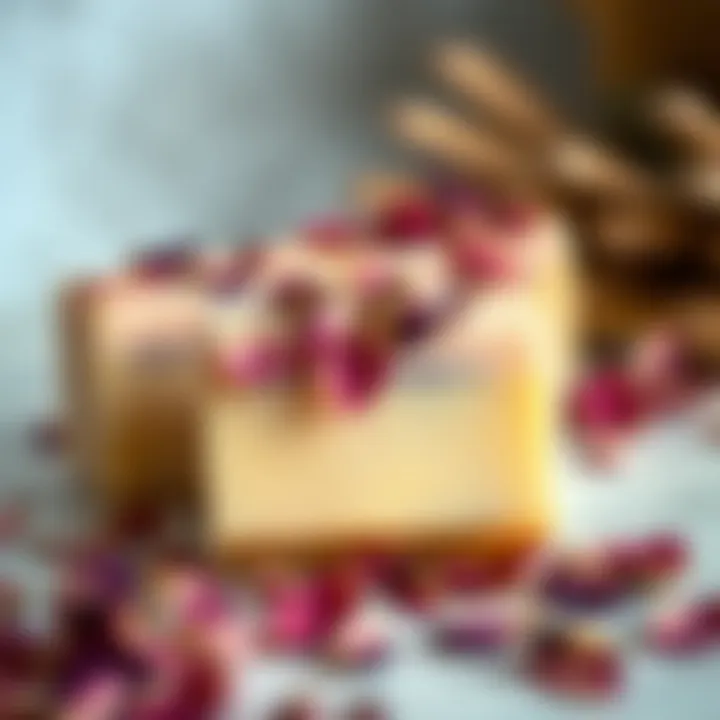
Embedding flowers within the soap itself takes the aesthetics to the next level. This technique involves placing dried flowers into the soap during the pouring stage, either in layers or throughout the entire mix. The result is an eye-catching design where the blooms appear to float within the soap, creating a beautiful visual effect.
This method requires a careful process to ensure that the flowers are properly dispersed, thus contributing to the overall look. It is important to choose flowers that hold their shape and color well during saponification, as certain types can fade or deform.
Using Essential Oils
Integrating essential oils alongside dried flowers can amplify the aromatic experience of the soap. While dried flowers offer visual appeal and mild fragrances, essential oils pack a more potent scent punch. For instance, combining lavender essential oil with dried lavender flowers can create a layered scent profile that enhances the user's sensory journey.
This technique also allows for custom blends, enabling soap makers to experiment with various aromas tailored to specific moods or therapeutic effects. However, one must be cautious with the ratios, as essential oils can be quite strong and overwhelming if not used judiciously.
Incorporating dried flowers into soap making is not merely a creative endeavor; it enhances the holistic experience attached to natural soap products. By mastering these techniques, artisans can transform regular soaps into enchanting creations that captivate the senses.
The Benefits of Using Dried Flowers
Incorporating dried flowers into soap making is not just a decorative choice but a thoughtful approach to enhancing the quality and appeal of the final product. The allure of dried flowers extends beyond their visual charm; they bring a host of benefits that elevate both the aesthetic and functional aspects of handmade soaps. Understanding these advantages can guide artisans and enthusiasts in making more informed choices, ensuring that their creations resonate well with their intended audience.
Aesthetic Appeal
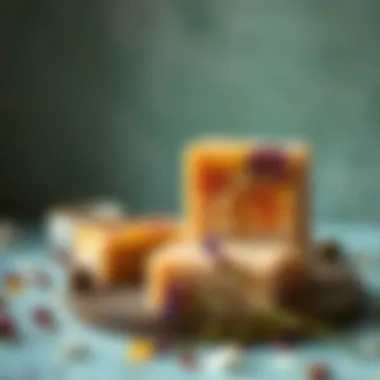
Dried flowers bring a burst of color and a unique texture to handmade soaps. The hues of lavender, rose, and calendula add a natural vibrancy that is often far more appealing than synthetic dyes. When these flowers are skillfully embedded or sprinkled atop the soap's surface, they not only beautify the product but also invite curiosity about the ingredients.
In particular, choosing flowers with high color retention, like sunflowers and marigolds, ensures that the visual impact of the soap remains intact over time. This can make a significant difference in display settings, especially for boutiques or shops that thrive on first impressions. The visual composition of a soap bar can tell a story and convey a message, significantly impacting customer attraction and engagement.
"The eyes are the windows to the soul of your soap. Make sure they’re dressed to impress."
Moreover, the delicate aroma emitted by certain dried flowers, such as chamomile and jasmine, enhances the overall sensory experience. Customers will not only be drawn to the look of the soap but also its subtle fragrance, which can evoke feelings of calm and wellness.
Therapeutic Properties
Using dried flowers in soap making isn't just for aesthetics; various flowers also possess beneficial properties for the skin. For example, calendula is known for its anti-inflammatory qualities, making it an excellent option for sensitive skin. Similarly, lavender contains calming properties that can result in a soothing bathing experience. Integrating such flowers into soap is an effective way to offer added value to the consumer, who seeks products that enhance well-being while providing a sensory pleasure.
Here are some flowers and their recognized therapeutic properties:
- Lavender: Calming, anti-anxiety benefits.
- Rose: Hydrating and soothing, great for mature skin.
- Chamomile: Anti-inflammatory and helps with irritation.
These properties can often be a selling point, especially for those marketing to health-conscious consumers or those interested in natural remedies. By showcasing the health benefits of the dried flowers used in their soap, artisans can provide a compelling reason for customers to choose their products over mass-produced options.
Sustainability Aspect
Integrating dried flowers into soap making aligns with a growing trend toward sustainability. Many consumers are becoming increasingly aware of the impact of their purchases on the environment. Using dried flowers, particularly those sourced from local growers or even home gardens, can significantly reduce the carbon footprint associated with production.
Additionally, the use of plant materials instead of synthetic fragrances and dyes reflects an artisan's commitment to eco-friendly practices. This approach not only protects the environment but also appeals to customers who value the story behind their purchases. To strengthen this commitment, soap makers can:
- Source flowers from local markets or organic farms.
- Encourage customers to grow their own flowers and provide guidance on which varieties are suitable for drying.
By embracing sustainability, soap makers can position themselves as responsible artisans, thus increasing their market appeal. This can lead to customer loyalty built on shared values around environmental stewardship.
Challenges in Using Dried Flowers
When venturing into the world of soap making, incorporating dried flowers seems like a charming notion. Yet, just like any artistic endeavor, it carries its own set of challenges. Understanding these hurdles is key to ensuring that your soap crafting journey is not only enjoyable but also rewarding. Acknowledging these potential pitfalls can help artisans take a proactive approach, thereby improving their overall results and satisfaction.
Potential for Allergens
One of the significant challenges in using dried flowers in soap is the potential for allergens. While botanical ingredients can add an appealing aesthetic, they may also trigger allergic reactions in some individuals. These responses can range from mild skin irritation to more severe reactions, depending on the person's sensitivity.
When selecting dried flowers, it's crucial to be mindful of your audience. Here are some points to consider:
- Identify Common Allergens: Certain flowers such as chamomile or lavender, while popular, are known for causing allergic reactions in sensitive individuals. Research different flowers to understand their allergenic properties.
- Label Transparency: Clearly label all soap products containing dried flowers. This practice is essential, especially for businesses. Customers value transparency and reassurance.
- Testing: Before launching your floral-infused soaps, conduct patch tests. This can help gauge whether your soap will be well received.
By prioritizing allergen awareness, you create a safer environment for those who want to indulge in your creations. This practice not only fosters good relationships with customers but also protects your reputation as a soap maker.
Longevity of Flowers in Soap
Another consideration in the use of dried flowers is their longevity within the soap medium. Many artisans find that while the visual appeal of dried flowers is undeniable, their durability can vary significantly. This variability can impact both the appearance and functionality of the soap product over time.
Several factors influence how well dried flowers hold up:
- Type of Flower: Some flowers, like rose petals, retain their shape and color longer, while others may discolor or degrade rapidly when mixed with oils or water in the soap. Selecting robust varieties can make a difference.
- Preservation Treatment: Flowers that have undergone proper preservation techniques, such as air drying under controlled conditions, tend to maintain their quality better in soaps.
- Soap Formulation: Consider how the other ingredients in your soap formulation may impact the longevity of the flowers. The pH level, for instance, can affect how the flowers fare over time. A balanced formulation might sustain the integrity of the dried flowers longer.
By being attentive to these factors, artisans can create products that not only look beautiful but also stand the test of time. Ultimately, understanding the challenges associated with dried flowers paves the way for remarkable soap crafting experiences that delight both creators and users alike.
"Creativity is the greatest form of self-expression. But it must be managed well to blossom."
For more guidance on health and safety in cosmetics, refer to the resources at FDA Cosmetics and delve into further reading on the use of dried flowers in beauty products on Smithsonian.
Aesthetic Considerations
In the world of soap making, aesthetics play a pivotal role in not only attracting potential consumers but also in creating a memorable sensory experience. Incorporating dried flowers into soap does more than just tickle the visual senses; it also weaves in elements of nature that speak to our inherent love for the organic. This section aims to illuminate the foundational aspects of aesthetics, showcasing how they transform simple bars of soap into pieces of art that boast individuality and charm.
Dried flowers may enhance the look of soap but their merits run deeper. When selecting flowers for fragrance or color, creators should emphasize a harmonious balance between aesthetic appeal and functional qualities. The integration of these elements can lead to soaps that are both visually pleasing and fragrant, making every use a pampering ritual.
"Beauty is in the details; it's what makes a product memorable."
Color Palettes
The power of color in design is undeniable, especially when it comes to soap making. Dried flowers bring rich hues that vary from delicate pastels to vibrant bursts of color. Understanding how various flowers can influence color schemes is essential for artisans looking to create standout products. For instance, marigold petals lend a sunny gold that can evoke feelings of warmth and cheer, while lavender contributes calming hues of purple that may soothe the eye.
Choosing a color palette is not merely about picking favorite shades; it involves considering the target audience and the message the creator wants to convey. Here are some useful tips for selecting color schemes:
- Research Color Theory: Familiarize yourself with complementary colors, as well as the emotional implications of specific shades.
- Create a Cohesive Theme: Align your flower choices with the soap's fragrance and intended effect. For example, a fresh citrus-scented soap combined with bright orange and yellow flowers can evoke feelings of joy and vitality.
- Experiment: Blessed with nature's palette, don't shy away from contrasting colors. A vibrant pink rose against a light blue background can create exquisite visual tension.
Textures and Visual Composition
Textures also play a significant role in how dried flowers enhance soap's overall appeal. Just as colors command attention, textures can add depth and intrigue. An understanding of how various flowers interact within soap can lead to innovative results. For instance, the soft feel of hibiscus contrasted with the rougher texture of dried statice can create a multidimensional experience—not just how it looks, but how it feels.
In terms of visual composition, consider an organized yet organic layout of dried flowers. Here are some strategies for effective composition:
- Layering: Plan your flower placement thoughtfully. Layering flowers can give depth while allowing the soap's natural shape to take center stage.
- Balance Proportions: Large blooms need to be balanced with smaller flowers or fillers. Achieving proportion keeps the eye moving and avoids overwhelming the viewer.
- Negative Space: Sometimes, what isn’t there matters just as much as what is. Leaving space free of embellishments can highlight the unique qualities of both the soap and the little flora used.
Practical Applications of Dried Flowers in Soap
Incorporating dried flowers into soap making is not just an artistic endeavor; it transcends into a realm where utility and aesthetics intersect. The importance of this section lies in its focus on how dried flowers can be employed meaningfully in soap creations, establishing a unique identity for each bar. Practical applications from custom designs to special event soaps embody creativity while ensuring that artisans meet the varying demands of their clients. In an industry that thrives on uniqueness and personalization, integrating dried flora becomes both a strategy and a statement.
Custom Soap Designs
Utilizing dried flowers in custom soap designs opens a world of possibilities. Artisans can express their creativity and tailor their products to resonate with individual tastes or themes. For instance, by incorporating lavender buds, a soap maker can evoke a sense of calm and relaxation, ideal for stress relief products. Similarly, vibrant marigolds might lend a cheerful aesthetic to a summer-themed soap. Here are some key considerations in crafting custom designs:
- Color Combinations: Choose dried flowers that either complement or contrast with the base color of the soap.
- Fragrance Systems: Select flowers that harmoniously blend with chosen essential oils to create a cohesive sensory experience.
- Theme Cohesion: For seasonal or event-specific soaps, ensure that flowers visually communicate the desired theme. For instance, using rose petals for a Valentine’s line or orange blossoms for spring soaps can enhance the thematic connection.
"Combining dried flowers with the right design is akin to pairing a fine wine with a gourmet meal; it elevates the overall experience tremendously.”
Overall, custom soap designs using dried flowers not only speak to the artisan's creativity but also meet consumer desires for personalized and meaningful gifts.
Bridal and Special Occasion Soaps
Dried flowers in soap making particularly shine in bridal and special occasion creations. Weddings, anniversaries, and celebrations all call for a touch of elegance that dried blooms can provide. For example, soaps embedded with delicate jasmine or white rose petals can adorn gift tables as keepsakes, merging beauty with functionality. Here are factors to keep in mind when creating occasion-specific soaps:
- Personal Touch: Incorporate flowers that hold significance for the couple, such as wedding bouquet blooms, providing a nostalgic layer to the product.
- Presentation Matters: The packaging should reflect the occasion. Use natural materials like burlap or tissue paper that emphasize the rustic charm of dried flowers.
- Batch Size: For weddings, producing a larger batch ensures that every guest receives a piece of the celebration, promoting inclusivity.
Dried flowers serve a dual purpose in these contexts—they fulfill aesthetic desires while allowing the recipients to engage with meaningful motifs, enhancing the overall experience of the occasion.
Finding the right balance between artistry and practicality is key in these applications; essentially, it’s about crafting a product that is as beautiful as it is functional.
Finale
In summing up the intricate relationship between dried flowers and soap making, it's clear that this art form does not just provide a beautiful aesthetic; it enriches the sensory experience of handmade soaps. Considering the varied benefits outlined here, artisans are encouraged to explore further the immense potential that dried flowers offer in their craft.
Firstly, the incorporation of dried flowers adds visual texture and depth to soaps. The vibrant colors, shapes, and even the subtle scent released during the use of the soap create a unique sensory experience, drawing the user in more than a plain bar could. Every soap bar becomes a canvas, allowing for endless creativity, whether it’s a simple lavender bar or an intricate mix of botanicals like chamomile, rose petals, and calendula.
Moreover, understanding the therapeutic properties of different dried flowers not only serves to enhance the soap but also to promote well-being. For instance, lavender is known for its calming effects, making it a sought-after ingredient in the realm of natural soaps. This connection between nature's gifts and personal care products elevates the entire experience of using handmade soap from mere hygiene to a ritual of self-care.
There’s also an important sustainability angle to this whole affair. By selecting locally sourced or home-grown dried flowers, soap artisans can create products that are not only beautiful but also eco-friendly. The understanding that every choice, from sourcing to crafting, plays a part in the production process lends an additional layer of meaning to the soap-making journey.
However, caution is warranted as one considers potential challenges with the use of dried flowers, including allergenic reactions and the durability of these flowers within the soap matrix. A true artisan weighs the risks against the rewards, selecting flowers not only for beauty but also for their longevity. This thoughtful approach ensures that the final product is both appealing and practical, catering to a wider audience who seek quality in their personal care items.
As artisans reflect on their practices, incorporating dried flowers into their soap making is clearly not a mere trend but a technique that can lead to profound personal expression and connection with nature. It’s about crafting with intention, marrying practicality and artistry in every bar produced-- staying true to the essence of handmade. In this blend of beauty and utility, we find a greater appreciation for the art itself, and all the potential it has yet to unveil.