Exploring the Beer Maiden Costume: Heritage and Trends
Intro
The beer maiden costume, often associated with the lively spirit of Oktoberfest, carries a depth of cultural significance and artistry that is frequently overlooked. Originating from the traditional attire worn in Bavarian beer halls, this costume has evolved over the years, maintaining its charm while adapting to the whims of contemporary fashion. Understanding its heritage, design details, and modern trends is essential not just for fashion enthusiasts but also for designers, stylists, and retail professionals looking to capture a piece of this historical garment.
At its core, the beer maiden costume symbolizes joviality and hospitality, a nod to the lively gatherings that beer festivals promote. The lively colors and intricate patterns are not just for show; they represent a sense of community and celebration deeply rooted in European culture. The purpose of this article is to dive into the intricacies of the beer maiden costume, from its historical roots to its present-day significance and design innovations.
Current Trends in Fashion
The fascination with historical attire has surged in recent years. Vintage styles, particularly those echoing traditional garments, have found a place in modern wardrobes. The beer maiden costume, with its distinctive elements, serves as a case study for these trends.
Key Styles of the Season
- Romantic Silhouettes: Modern interpretations of the beer maiden costume emphasize flowy skirts and fitted bodices that enhance feminine curves while ensuring comfort. This season, expect to find variations that pair the classic blouse with striking, high-waisted skirts.
- Bold Patterns: Graphic and floral prints that mimic traditional Bavarian motifs are dominating the fashion scene. Designers are blending contemporary aesthetics with heritage patterns that scream both elegance and festivity.
- Sustainable Fabrics: There’s a growing emphasis on eco-friendly materials. Incorporating organic cotton and recycled fabrics into the beer maiden costume not only preserves its charm but also aligns with today’s emphasis on sustainability.
Influential Designers and Their Impact
A handful of designers have taken the timeless elements of the beer maiden costume and innovated them for the modern audience. Notable figures include:
- Vivienne Westwood: Known for her bold avant-garde style, Young often draws inspiration from historical garments, seamlessly integrating elements of the beer maiden look into her collections.
- Dolce & Gabbana: Their work frequently celebrates cultural narratives, resulting in costumes that display heritage while appealing to contemporary taste.
"Fashion is not just about the clothes. It's about heritage, identity, and how we tell our stories through what we wear."
Practical Fashion Advice
Integrating beer maiden elements into everyday fashion can be an art unto itself. Here are some practical tidbits for those keen on embracing this style.
Guidelines for Choosing the Right Fabrics
- Lightweight Cottons: These are ideal for comfort and breathability, making them perfect for casual wear.
- Drapey Linens: For a more sophisticated take, linen brings an elegant flutter to skirts and blouses.
- Sustainable Options: Look out for ethical brands offering recycled fabrics or organic materials.
Tips for Building a Versatile Wardrobe
- Mix and Match: Pair traditional beer maiden blouses with modern jeans or skirts for a casual yet trendy look.
- Accessorize Wisely: Incorporating statement accessories can elevate the entire ensemble. Think about ornate earrings or traditional jewelry to complement the outfit.
- Layer Smartly: Don’t hesitate to use layers. A contemporary jacket over the traditional blouse can reinvent the look, making it suitable for various occasions.
Historical Background of the Beer Maiden Costume
The beer maiden costume represents a rich tapestry of cultural and historical significance, drawing connections between tradition, craftsmanship, and social gatherings. Understanding this background not only enlightens the aesthetics of the attire but also places it within the context of global heritage and community celebrations. Delving into the origins and evolution of the beer maiden costume reveals how it has been shaped by social norms and changing fashion sensibilities over the ages.
Origins and Cultural Significance
The beer maiden costume, often associated with Bavarian culture, is steeped in history. Its roots can be traced back to the 19th century, when the dirndl, the traditional dress worn by women in Bavaria, began to gain popularity. The word 'dirndl' itself originally came from a dialect term for a young girl. It was not just an attire but a reflection of the woman's role in providing hospitality and well-welcome in ale houses and beer gardens. This costume embodies a connection to the land and to the role of women in the community's social fabric.
In those times, the dirndl was typically made of durable fabrics, designed to endure long hours of work while still allowing women to look graceful and appealing. Patterns often featured floral prints and vibrant colors, symbolizing fertility and the lush Bavarian countryside. In many ways, this dress was a statement of identity, culture, and pride. Each element woven into the fabric told a story of the local customs, traditions, and heritage of the communities who treasured these garments.
"The beer maiden costume is not just clothing; it’s a living history of celebration and sustenance, deeply intertwined with the spirit of regional unity."
Evolution through the Ages
As time marched on, the beer maiden costume continued to evolve. The latter half of the 20th century saw significant changes influenced by economic and social factors. Post-World War II, as tourism flourished, the dirndl became a symbol of cultural identity for Bavarians, sparking a revival not just locally but also internationally. Festivals like Oktoberfest contributed to a renewed appreciation for traditional attire, leading to updated designs that still honored their historical roots.
Modern interpretations come with shorter skirts, varying cuts, and contemporary fabrics that appeal to younger generations while retaining essential characteristics. You will find variations today that incorporate modern prints while respecting the traditional silhouette. This hybridization shows how the beer maiden costume can adapt and thrive amid changing fashion landscapes while still being a nod to its illustrious past.
Cultural Festivals and Celebrations
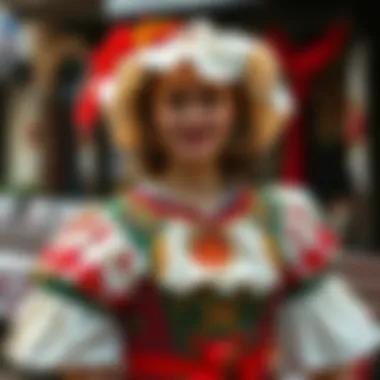
Cultural festivals play an instrumental role in preserving and promoting the beer maiden costume. Events such as Oktoberfest serve as a platform where the costume is seen in its full glory. Here, the beer maiden becomes a symbol of joy, camaraderie, and cultural nostalgia, drawing participants from all corners of the globe. The sight of women in their colorful dirndls—the ‘beer maidens’—serves to evoke a sense of heritage and shared celebration.
Furthermore, local festivals across Bavaria celebrate traditional beer culture, featuring dance, music, and, of course, beer. The costume's popularity in these settings contributes to its continued relevance in fashion, often prompting designers and stylists to draw inspiration from these meaningful heritage experiences. As such, the beer maiden costume not only reflects a historical lineage but also stands as a testament to community bonds forged over centuries—creating a cultural resonance that continues to thrive in modern festivities.
Distinctive Features of the Beer Maiden Costume
The beer maiden costume is not just a garment—it's a tapestry of history, culture, and artistry woven together. Each element of the costume tells a story. The distinctive features are essential as they provide insight into the heritage and evolving nature of this traditional attire. By examining these characteristics, one can appreciate the craftsmanship and cultural significance embedded within the outfit. Specifically, traditional fabrics, unique design elements, and accessories enhance both form and function. These features are delightful to explore, especially for those in the fashion industry, as they offer endless inspiration for contemporary designs.
Traditional Fabrics and Materials
Fabric choices are the backbone of the beer maiden costume. Typically, cotton and linen dominate, valued for their durability and breathability. Cotton, with its soft texture, allows for comfortable wear even during festive celebrations. Meanwhile, linen provides a rustic aesthetic that resonates well with traditional roots. Some designs even integrate wool, particularly in colder regions, to add warmth. The selection of materials not only contributes to the overall appearance but also enhances the garment's comfort and functionality.
One could argue that the choice of fabric has both practical and symbolic implications. The cotton may symbolize the accessibility of the attire, making it a favorite among everyday wearers, while more lavish fabrics may appear during festivals, representing cultural pride and heritage. Overall, the significance attached to these materials should not be overlooked.
Key Design Elements
Key design elements embody the spirit of the beer maiden costume. Each component serves a specific purpose, while also elevating the visual appeal. They comprise several aspects, including blouse styles, dirndl skirts, and aprons and accessories.
Blouse Styles
Blouse styles serve a pivotal role in defining the overall silhouette of the beer maiden costume. Most commonly, the blouses are fitted with a sweetheart neckline or a square cut, which can be both flattering and practical. This key characteristic not only highlights the collarbones but also creates a frame for various accessories, from necklaces to brooches.
The unique feature of these blouses lies in their versatility; they can be crafted in different lengths and sleeve styles, accommodating preferences of those who wear them. This adaptability makes them a popular choice, attracting those new to traditional attire as well as purists. However, it's essential to consider that some blouses may require specialized care due to delicate lace or embroidery, which could pose an inconvenience for some.
Dirndl Skirts
Dirndl skirts are often where the most dramatic elements of the costume come into play. These skirts are generally knee-length but can vary significantly in design—some being pleated while others have bold prints. The standout feature is often the rich colors and patterns that capture attention. They complement the traditional and festive vibe of the costume beautifully.
One critical aspect of these skirts is their ability to flow gracefully as the wearer dances or moves. This makes them especially appealing for social gatherings and cultural festivals. Being able to combine aesthetic elegance with functionality might be a reason dirndl skirts have remained a staple in the beer maiden costume. However, it’s important to be mindful of the varying lengths, as shorter skirts may not align with the expectations of traditional events.
Aprons and Accessories
Aprons and accessories function as the cherry on top of the beer maiden costume sundae. They add layers to the ensemble while also fulfilling practical needs. Traditionally, aprons are colorful and often tied in a bow at the back, which symbolizes the wearer’s marital status—an interesting cultural nuance.
Accessories, from floral crowns to handkerchiefs, contribute additional character and flair. They can be a wonderful way to express individuality while still honoring tradition. The unique aspect of aprons lies in their dual function; not only do they enhance the visual appeal, but they also serve to protect the underlying garments during service or celebration.
While they might seem straightforward, neglecting these components would be a missed opportunity to add a personal touch to the beer maiden outfit. However, a well-selected apron might prove hard to find, as there are many styles—from Bohemian to classic—that could confuse a buyer.
In summary, the distinctive features of the beer maiden costume reflect a blend of cultural significance and modern-day adaptability. From the choice of fabric to the intricacies in design elements, these aspects make the costume not only eye-catching but also rich in stories waiting to be explored.
The Role of Color in Beer Maiden Costumes
Colors play a vital role in the beer maiden costume, transcending mere aesthetics to weave a narrative of culture, tradition, and identity. Each hue selected not only enhances the costume's appeal but also symbolizes specific meanings that resonate through generations. Within the vibrant palette associated with these garments, we can explore deeper meanings and connections to heritage that reflect the wearer's personality and the occasion being celebrated. The interplay of colors is not simply for visual delight but serves as a conduit for storytelling and cultural expression.
Symbolism Behind Color Choices
Diving into the spectrum of colors in beer maiden costumes, we quickly discover a rich tapestry of symbolism. For instance, red often signifies festivity and passion, making it a popular choice for celebrations. It evokes a sense of warmth and hospitality, traits emblematic of the Bavarian culture from which this attire springs. The color green, on the other hand, might represent renewal and the lush landscapes of wine country or hops fields, lending an earthy essence to the garment.
Moreover, blue is frequently associated with serenity and loyalty. It can be seen in lighter shades reflecting the sky, offering a contrast against the bolder colors typically seen in these ensembles. The careful selection of hues is a reflection of the wearer's mood, the intended message, or even local traditions.
Colors often carry meanings in specific regions. In some cultures, white signifies purity or innocence, making it an ideal choice for younger women celebrating rites of passage or significant life events. In contrast, darker colors can convey formality or gravitas, perhaps reserved for more solemn gatherings. These associations are essential for designers and wearers alike, guiding choices based on the cultural implications encoded in each color.
Color Trends Over the Years
Color trends for beer maiden costumes have ebbed and flowed along with societal changes and fashion movements. In earlier decades, colors tended to be more muted, with earthy tones dominating the palette. However, as styles evolved and international influences crept in, this traditional attire began to embrace more vibrant and diverse choices.
The 1980s, notably, saw a splurge of bright, dramatic colors as designers experimented daringly with patterns and fabrics. Costumes became less about sticking to traditional hues and more about making a bold statement.
More recently, a resurgence in eco-consciousness has favored organic, nature-inspired palettes. Earthy greens, gentle browns, and soft yellows reflect a growing desire for sustainability while still holding onto the tradition of color’s significance. As wearers become more aware of the environmental footprint of their clothing, selecting colors that match a more profound ethical narrative has become increasingly important.
Today’s trends also see a blend between tradition and modernity, where classic designs are reimagined with contemporary color schemes. Pastel shades, vibrant contrasting colors, and even unexpected combinations have found their way into modern beer maiden costumes, showcasing adaptability while still honoring their cultural origins.
In sum, the role of color in beer maiden costumes acts more than a visual accessory; it is a bridge linking history, culture, and personal expression. For anyone engaged in the design or styling of such costumes, understanding these nuances is key to crafting garments that resonate with meaning and significance.
Modern Interpretations and Adaptations
When we think about the beer maiden costume today, it’s not just a relic of the past, but a living garment that evolves and adapts to the changing winds of fashion and culture. Modern interpretations of the beer maiden ensemble showcase how traditional elements can blend seamlessly with contemporary designs. This is significant because it keeps the heritage alive while still appealing to a broader audience, particularly fashion designers and stylists looking to innovate.
Contemporary Fashion Influences
Modern fashion trends have a way of playing hopscotch between eras. The beer maiden costume often finds its bones restructured with a twist that appeals to the modern eye. Think of how street style is infiltrating regional outfits—designers are now using modern cuts, materials like breathable cotton blends, and vibrant prints to reinterpret the classic beer maiden look.
Social media has amplified this change, showcasing individuals combining the dirndl silhouette with modern pieces like sneakers or tailored jackets. This marriage of styles not only invites curiosity but also encourages inclusivity in traditional clothing. It's no longer about wearing a costume that only recalls nostalgia; it's about creating a dialogue between the past and the present, making it relevant in leisurely outings and festive celebrations alike.
Adapting the Costume for Various Occasions
Costumes for Themed Parties
The beer maiden costume has become a staple at thematic gatherings, especially Oktoberfest parties. Its key characteristic is versatility; this costume can easily be modified for a casual backyard bash or an elaborate masquerade. The blend of comfort and exuberance makes it a popular choice.
A unique feature lies in the option to mix and match elements. For instance, wearing a classic dirndl with a chic blazer introduces an element of fun and flair. The advantages in this context include the ease with which one can attract attention without straying far from one's personal style. Yet, it might not always suit every body type, requiring consideration during the selection process.
Fashion Shows and Events
In the realm of high fashion, beer maiden costumes have been spotlighted during events and fashion shows, showcasing the adaptability of traditional garb. Designers may take liberties; for instance, converting the flowing skirts into contemporary silhouettes that accentuate the body while still echoing historical styles.
The key characteristic here is the blend of cultural respect and artistic flair. This garners attention for how heritage can inspire avant-garde designs, such as exaggerated apron styles crafted from luxurious fabrics. While the outcome can be breathtaking, it can also leave traditionalists feeling a little uneasy about such modern transformations.
Everyday Wear Inspirations
In the heart of modern cities, the beer maiden costume seeps into everyday wear, showing its worth beyond special occasions. Casual adaptations of the beer maiden look involve lighter, more accessible fabrics and simpler cuts that one can easily incorporate into daily life—think a simple blouse tucked into jeans paired with a colorful apron for a lunch date.
The advantage is its practicality; you can carry the heritage forward without sacrificing comfort or style. However, it may lack the formal elegance of traditional designs, which might appeal to those seeking authenticity in their attire instead of a mere nod to cultural aesthetics.
"Fashion is a reflection of our times; through adaptability, traditional dress finds new life in everyday narratives."
The expansions that modern interpretations offer enhance the visibility of the beer maiden costume while paying homage to its roots. The journey from heritage to high fashion reflects a nuanced understanding of cultural garments, allowing them to flourish in new environments and occasions, captivating both old and new generations alike.
Sustainability in Costume Making
As the world grapples with environmental concerns, the fashion industry is increasingly shifting its focus to sustainable practices. This inquiry into sustainability in costume making is crucial, particularly for costumes like the beer maiden attire that amalgamate tradition with artistry. The choices made in materials and methods are paramount not just to reduce waste but also to celebrate craftsmanship that honors both heritage and future generations. The benefits of sustainability extend beyond mere environmental impact; they help cultivate an awareness of ethical practices in what is worn.
Eco-friendly Fabrics and Practices
The use of eco-friendly fabrics is essential in minimizing the footprint of costume production. Selecting materials like organic cotton, hemp, or Tencel instead of conventional fabrics can significantly reduce the environmental strain. Not only do these materials require fewer pesticides and water, they often provide better durability and comfort.
Some effective practices in sourcing fabrics include:
- Local sourcing: Purchasing materials from nearby suppliers cuts down transportation emissions.
- Biodegradable options: Utilizing fabrics that will not contribute to landfill mass after their lifecycle is paramount.
- Certification checks: Supporting brands with credible certifications ensures that eco-friendly claims are genuine.
In the realm of costume making, integrating eco-friendly practices can include:
- Natural dyes: Employing plant-based dyes instead of synthetic options keeps toxic chemicals out of waterways.
- Ethical labor: Ensuring fair treatment of workers involved in the production process.
By prioritizing these eco-friendly practices, designers and creators not only honor the historical essence of the beer maiden costume but also contribute positively to the future of fashion.
Upcycling and Repurposing Designs
Upcycling is not simply a trend; it is a necessary evolution in costume design, breathing new life into old garments while reducing waste. The beer maiden costume, traditionally made from lavish fabrics, can be creatively reimagined. This can include using remnants from past projects or even vintage garments that can be restructured or embellished to fit contemporary styles.
Some ideas for upcycling include:
- Combining garments: Merging two or more pieces can forge unique creations, bringing a fresh perspective to traditional aesthetics.
- Accessorizing: Elements such as aprons or bodices can be updated with modern embellishments while preserving their iconic charm.
- Creative alterations: A simple restructuring, like changing a skirt's length or transforming a blouse into a crop top.
By adopting upcycling practices, designers not only create cost-effective and distinct costumes but also send out a clear message about sustainability concentrated in the practice of reusing.
"Sustainable fashion is not about being zero-waste; it's about making sensible choices that honor creativity and the environment."
Taking a step back and considering sustainability in costume making instills a sense of value in the craft, ensuring that the beer maiden's legacy continues harmoniously with modern sensibilities. Designers and fashion enthusiasts alike can play a significant role in paving the path toward a more sustainable future in fashion.
DIY Beer Maiden Costume: A Guide
Creating a DIY Beer Maiden costume can be an enriching experience, adding a personal touch to traditional attire. This section guides you through designing your own costume while considering various aspects, benefits, and key elements associated with the process. By choosing the DIY route, you not only save money but also gain an understanding of the craftsmanship involved in costume making. It allows for creativity and encourages a deeper connection with cultural heritage.
Selecting Materials
Choosing the Right Fabrics
Selecting the right fabrics is foundational when embarking on your DIY Beer Maiden costume journey. The choice of fabric significantly impacts the overall appearance and feel of the costume. Opting for materials like cotton or linen can be particularly beneficial, as they are breathable and comfortable for extended wear. Lightweight cotton is popular due to its softness and ability to absorb moisture, making it ideal for lively celebrations. One unique characteristic of these fabrics is their versatility in prints, which allows for a range of color variations customary in Beer Maiden costumes. However, be mindful that while synthetic fabrics may offer durability, they could lead to discomfort in warmer settings, so tread carefully.
Identifying Essential Components
When crafting a Beer Maiden costume, it’s crucial to identify its essential components, including the blouse, skirt, and apron. Each element plays a significant role in achieving an authentic look. The blouse, typically a white, puffed sleeve design, provides a contrasting backdrop to the vibrant skirt. Understanding the necessity of these core components not only enhances your design but also aligns with the traditional aesthetic. This is a beneficial step as it guarantees that the costume is both recognizable and culturally respectful. However, getting these details right requires attention, as overlooking even minor elements can affect the costume's authenticity.
Sewing Techniques and Tips
Basic Sewing Skills Required
Having basic sewing skills is a stepping stone for anyone looking to create a DIY Beer Maiden costume. Mastering simple techniques like stitching, hemming, and gathering fabric helps you handle most projects without feeling overwhelmed. These foundational skills are popular among budding designers. If you can sew a straight line, you’re already half-equipped! However, embracing basic principles reduces mistakes and enhances the overall quality of your work. Yet, don’t stress if you're a novice. Many resources and tutorials are available to guide you along the way, making the learning curve manageable.
Finishing Touches
The finishing touches are what elevate a DIY Beer Maiden costume from ordinary to extraordinary. Small details, such as decorative trims or personalized embellishments, add character and uniqueness to your outfit. Ensuring that your seams are neat and the hems are well-finished is important. This aspect could be seen as both a unique feature and a potential pitfall; if neglected, it could lead to a costume that doesn’t look polished. When executed well, however, these touches can leave a lasting impression, showcasing your dedication and effort in crafting the piece.
"Crafting your own costume connects you to tradition and allows for personal expression."
In summary, the DIY approach to the Beer Maiden costume not only requires consideration of materials and sewing techniques but also an eye for detail that transforms the costume into a statement piece. From fabric selection to final embellishments, each step contributes to creating an authentic and personal garment that pays homage to its heritage while celebrating modern-day creativity.
Styling the Beer Maiden Costume
Styling the beer maiden costume is more than merely dressing up; it’s an art form that blends tradition with personal expression. Each component of the costume, from the fabric to the accessories, plays an essential role in creating a cohesive look. For anyone looking to don this garb, understanding the elements involved in the styling process is key. It allows for the celebration of cultural heritage while adding individual flair.
Complementary Accessories
When it comes to the beer maiden costume, accessories are not just afterthoughts but integral elements that elevate the overall aesthetic. They help to bridge the gap between vintage charm and modern sensibilities, offering opportunities for personalization and flair. Let's explore some of the most significant accessory categories.
Footwear Options
Footwear is a crucial aspect of the beer maiden ensemble. Traditionally, women wore sturdy shoes that provided comfort during long hours at festivals or in taverns. Today’s options range from classic wooden clogs to chic ankle boots and everything in between. A popular choice is the Bavarian-style lace-up shoe. This style harmonizes with the traditional attire while offering ample support and durability.
The key characteristic of these shoes is their versatility; they can be dressed up for formal occasions or dressed down for casual events. A unique feature of lace-up shoes is that they can complement the length and color of the dirndl skirt beautifully. While they’re admired for their comfort and classic look, one must also consider that they can be heavier than modern alternatives, which might not be suitable for everyone.
Jewelry and Headpieces
Jewelry and headpieces equally enhance the beer maiden costume, infusing shimmer and elegance into the overall appearance. Accessories often reflect the cultural roots of the attire, making them not only fashionable but also meaningful. Traditional bead necklaces or delicately crafted earrings can add a dash of color and bring attention to the neckline.
One of the attributes that makes these jewelry pieces a hit is their handcrafted nature, often showcasing local artisans' artistry. Headpieces, such as the iconic floral wreath or intricate hair braids adorned with ribbons, can create an enchanting look. While they might add extra dimensions to one’s appearance, one should be mindful about the weight and fit, as heavier pieces can become uncomfortable over time.
Makeup and Hairstyling Tips
Makeup and hairstyling serve as the finishing touches that crystallize the beer maiden aesthetic. Opting for a fresh, natural look aligns well with traditional concepts of beauty. Light foundation, a hint of blush, and subtly defined eyes enhance one’s features without overwhelming the costume.
As for hairstyling, Bavarian women commonly wore their hair in braids or simple updos, often embellished with flowers or ribbons. This mirrors the agrarian lifestyle and authenticity of the beer maiden concept. On the other hand, modern interpretations allow for more freedom, enabling a blend of traditional and contemporary aspects. Just ensure that the hairstyle maintains the essence of the attire while reflecting personal style.
"Dressing well is a form of good manners."
By paying attention to these details, one can achieve an elegant and authentic beer maiden appearance, ensuring it not only honors the rich cultural history but also stands out in contemporary settings.
Finale: The Enduring Appeal of the Beer Maiden Costume
The beer maiden costume retains a unique charm that resonates across generations. As much an emblem of tradition as it is a canvas for modern expression, this attire encapsulates the ethos of cultural identity, artistry, and societal norms. At its core, the costume serves as a reminder of heritage, linking the modern wearer with an age-old legacy that is rich and colorful. Without a doubt, its appeal goes beyond aesthetics, pulling together threads of history, craftsmanship, and community.
Reflections on Cultural Heritage
Exploring the significance of the beer maiden costume reveals just how intertwined it is with cultural heritage. This garment isn’t merely about fabric and form; it tells a story of communities that have celebrated life’s moments—from harvest festivals to family gatherings. It brings forth memories tied to shared experiences, where a drink is more than just a beverage, but a symbol of camaraderie.
The beer maiden costume often features intricate designs that reflect local customs and traditional craftsmanship. For instance, the unique patterns and colors can signify a region or even a specific family lineage, serving as a portrayal of pride and belonging. This signals to wearers not just the superficial beauty but also a profound connection to their roots.
Moreover, as more individuals express interest in their genealogy and ancestral customs, the beer maiden costume presents a tactile link to past eras. The revival of such traditional garments can foster greater appreciation for cultural heritage, inviting those unfamiliar with it to engage and learn. This bridge between old and new defines the enduring quality of the costume and underscores its relevance in contemporary culture.
Future Trends in Costume Design
The world of fashion is fickle, yet the beer maiden costume shows signs of resilience and adaptability. Looking into the future, it is fascinating to ponder how this traditional attire might evolve. As sustainable practices gain traction, expect designers to weave eco-conscious materials into their creations. This shift not only honors the past while being sensitive to future generations but also aligns with growing consumer awareness regarding environmental impact.
Integrating technology into fabric design, such as digital prints or smart textiles, might enhance traditional elements without compromising authenticity. Imagine dirndls with embedded LED lights or color-changing fabrics reflecting the mood of the event. This blend of innovation could attract a wider audience, particularly younger generations eager for fresh interpretations of the classics.
The future might also see the beer maiden costume transcending its origins, becoming a staple in global fashion events and influencing casual and high-end runways. The key will be in balancing respect for tradition with a keen eye on modern trends. As cultures blend and collide, the beer maiden costume may develop further into various adaptations.
Ultimately, as our societal perspectives shift, the narrative of the beer maiden costume will continue to change, both honoring its past and welcoming the future. The enduring appeal lies not just in its visual charm, but in its power to connect, celebrate, and innovate.