The Bandage Bra: Exploring Design, Functionality, and Trends


Intro
The bandage bra has swiftly become an essential piece in many fashion-savvy women's closets. It’s not just about style; this item intertwines design, function, and comfort in a way that many other undergarments fall short. As we dive into the nitty-gritty of this unique garment, we’ll uncover its construction, the materials that go into it, and the reasons behind its rising popularity. Whether you’re a seasoned fashion designer or a retail worker looking to understand this trend, this exploration promises valuable insights.
When we think about the bandage bra, it evokes a sense of support and silhouette enhancement, primarily thanks to its bold and stylish design. No longer relegated to the realm of just undergarments, it serves as both a versatile wardrobe staple and a statement piece. But what exactly elevates the bandage bra to such a revered place in contemporary fashion? Allow me to unfurl this subject.
Current Trends in Fashion
Fashion, like a river, constantly flows and changes. The bandage bra is riding this wave of innovation, driven by shifting consumer preferences and a desire for both utility and style.
Key Styles of the Season
Bandage bras are seen in various forms this season. From rich hues to minimalistic designs, they are tailored to provide the necessary support while giving a nod to the current fashion landscape. Some standout trends include:
- Asymmetrical Cuts: These bold lines create an edgy effect, often seen on runways.
- Lace Accents: Melding softness and strength, lace adds a touch of femininity to the structured design.
- Bold Colors: Think vibrant reds and deep blues to offer a striking contrast to the typical neutral palettes.
Influential Designers and Their Impact
A handful of designers have transformed the bandage bra from a niche product into a fashion staple. For instance, acclaimed designers such as Victoria Beckham have incorporated modern aesthetics into their collections, imbuing the traditional structure with contemporary flair. Their contributions guide consumer trends and set the stage for widespread adoption.
"Fashion is the armor to survive reality." - Bill Cunningham
Practical Fashion Advice
To really get the most out of a bandage bra, certain guidelines can help in making an informed choice. Let’s break it down.
Guidelines for Choosing the Right Fabrics
The fabric is a make-or-break factor in the bandage bra's performance and comfort. Here are some materials to look for:
- Nylon and Spandex Blends: These provide the stretch needed for comfort while maintaining shape.
- Cotton Linings: Essential for breathability, especially during long wear.
- Mesh Details: Offering a glimpse of skin while surviving the rigors of everyday use.
Tips for Building a Versatile Wardrobe
Incorporating a bandage bra can maximize versatility in your wardrobe. Here’s how:
- Pair it with tailored blazers for a polished business look.
- Wear it under casual tees or off-the-shoulder tops to bring an edge to laid-back outfits.
- Layer it with sheer fabrics to maintain discretion without sacrificing style.
Understanding the complexities behind the bandage bra is essential for those in the fashion field. Its adaptability, combined with the changing trends, calls for a strategic approach when suggesting options to clients or consumers.
For more on fashion sustainability practices, check out links such as Sustainable Fashion Alliances or Fashion Revolution.
By connecting the dots between design, consumer trends, and sustainability efforts, this analysis of the bandage bra offers a well-rounded education into its position within the current fashion arena.
Foreword to the Bandage Bra
The bandage bra is not just another piece of lingerie; it represents a blend of art and functionality in women's fashion. Understanding its significance offers valuable insights into contemporary styling, body image, and the very essence of femininity in modern attire. Fashion doesn’t merely exist; it evolves, reflecting cultural shifts, and the bandage bra stands as a prime example of such evolution.
Defining the Bandage Bra
At its core, the bandage bra is designed to provide support and contour the natural curves of the body. While it may seem similar to traditional bras, its construction sets it apart. The bandage bra employs thick, stretchy fabrics that hug tightly to create a sculpted silhouette. This gives wearers a feeling of stability, particularly around the bust, which is often a focal point in fashion choices.
Most bandage bras feature crisscross patterns or layered materials that enhance their distinct look. They offer robust shapes without compromising on style, which resonates with many women who seek both comfort and aesthetics.
A Brief History
The bandage bra's origins can be tied to the evolution of women’s undergarments throughout the 20th century. Initially, bras were designed primarily for functionality, providing support without much thought given to aesthetics. However, the 1980s and 1990s saw a shift, marked by a growing interest in body-conscious fashion.
Around the late 1990s, the term "bandage" became more prominent, thanks to designers like Herve Leger, who brought bodycon styles to the limelight. The bandage bra began to gain traction as it offered a new way to accentuate femininity, becoming synonymous with empowerment and allure. Its visibility in pop culture, particularly on celebrities and fashion-forward icons, has only solidified its status in fashion circles.
From its humble beginnings focusing on practicality, the bandage bra now stands proud among stylish staples, elevating ensemble choices for various occasions while answering the demand for both utility and elegance. The interplay between history and modernity makes it a captivating subject worth exploring in more depth as this article progresses.
The Design Elements of Bandage Bras
The allure of the bandage bra isn't just in its ability to sculpt the body, but also in the intricate design elements that make it a staple in modern wardrobes. Focusing on the design elements allows us to understand how they contribute to both aesthetics and functionality. This exploration covers fabric selection, construction techniques, and the vibrant color and style variations that embody the essence of the bandage bra.
Fabric Selection
Choosing the right fabric is paramount in crafting a bandage bra that not only looks appealing but also performs under different conditions. Typically, these bras are made from a blend of materials such as nylon, spandex, and cotton. Each fabric contributes its own properties:


- Nylon: Known for its durability and ability to retain shape, nylon adds a sleek finish to the bandage bra, enhancing its overall visual appeal.
- Spandex: This material is particularly valuable for its elasticity. It allows the bra to hug the body, providing support while enabling freedom of movement—essential for anyone looking to feel comfortable throughout the day.
- Cotton: Often used for liners or specific sections of the bra, cotton offers breathability and softness, which are vital for long-term wear.
A well-balanced fabric selection can significantly impact the wearer's experience, ultimately making the bandage bra favored among fashion-forward individuals.
Construction Techniques
The construction of a bandage bra plays a crucial role in achieving its signature look. Unlike traditional bras, bandage bras employ a method that focuses on layered fabric strips that extend horizontally or diagonally over the body. This design technique allows for a form-fitting silhouette that accentuates curves.
Some notable construction methods include:
- Sewing and Bonding: Many designers utilize sewing techniques combined with bonding methods to create seamless appearances. This is not only visually appealing but also adds strength to the garment, ensuring durability over multiple wears.
- Reinforced Seams: These are specially crafted to withstand stretching, providing better support where it is most needed.
These construction techniques enable the bandage bra to achieve a delicate balance between style and usability, often becoming a fashion statement in its own right.
Color and Style Variations
The bandage bra has transcended its initial design, embracing a myriad of colors and styles that allow individual expression. From bold hues that make a statement to subtle shades catering to those who prefer a more understated look, the options are as diverse as its wearers. Popular choices include:
- Classic Black or Nude: Timeless options that complement any outfit, ideal for creating smooth lines under clothing.
- Vibrant Colors: Bright pinks, reds, or electric blues can add a splash of personality, perfect for layering under sheer tops or wearing boldly as outerwear.
- Unique Patterns: Floral prints or geometric designs have become increasingly popular, catering to diverse style preferences.
"A well-selected bandage bra can elevate not only the outfit but also the confidence of the wearer."
The style variations range from minimalistic designs to elaborate configurations, ensuring that there's a bandage bra suited for every individual's taste and occasion. The thoughtful integration of diverse colors and designs contributes to the bandage bra's reputation as a versatile fashion piece.
By scrutinizing the design elements of bandage bras, we can appreciate how these aspects converge to create a garment that is both functional and stylish. Each detail—from fabric to construction and aesthetic choices—works harmoniously to solidify the bandage bra's place in the fashion hierarchy.
Functionality and Benefits
Understanding the functionality and benefits of the bandage bra is crucial for both designers and retailers. This type of lingerie has gained significant attention due to its unique construction and the specific needs it meets in the fashion industry. Bandage bras are not just about aesthetics; they offer a range of practical advantages that enhance a woman's wardrobe and comfort.
Support and Comfort
One of the standout features of the bandage bra is its ability to provide exceptional support. Made from a combination of elastic and non-elastic materials, these bras offer snugness that many other types lack. They fit closely to the body, ensuring the bust is well-contained, which is especially important for women with larger cup sizes.
This snug fit is often attributed to the layering technique used in their design, allowing for more elasticity and thus aiding movement. However, comfort doesn't take a back seat. Many designers focus on the softness of the inner materials. If the fabric irritates the skin, the whole experience is compromised. Therefore, careful attention to the choice of materials contributes to overall comfort.
Moreover, the adjustable straps and hook-and-eye closures provide customization, allowing wearers to find a level of support that feels best suited for their body.
Enhancing Silhouettes
Bandage bras are famed for their ability to enhance body silhouettes. The structure of these bras helps in achieving a sleek and streamlined appearance. They often have a smoothing effect that can eliminate unwanted bulges or lines underneath clothing. This is particularly beneficial when worn under fitted dresses or tops, where a seamless look is desired.
"A well-fitted bandage bra can make a remarkable difference in how outfits are perceived. It's like crafting a tailored fit without the need for extensive alterations."
Another notable feature is how they lift and shape the bust, providing a naturally appealing curve. This makes them a popular choice for evening wear. Many women choose bandage bras not just for comfort but to enhance their figures in a way that feels both flattering and empowering.
Breathability and Wearability
Breathability is often a concern when it comes to bras, especially for those who wear them for extended periods. Bandage bras address this issue through the innovative choice of materials. Many designs incorporate breathable fabrics that allow for better air circulation, significantly reducing the chance of discomfort due to heat or moisture.
Depending on the season or temperature, selecting the right bandage bra can enhance daily wearability. For instance, during warmer months, a lightweight bandage bra can provide support without feeling stifling. Designers are increasingly attentive to the nuances of wearability, tailoring their products to fit different lifestyles.
When discussing functionality, it’s paramount to acknowledge that many bandage bras are versatile enough for both daily use and special occasions. They can easily transition from morning errands to an evening event, catering to the bustling modern woman's needs without sacrificing style or comfort.
Consumer Perception and Market Trends
Understanding consumer perception and market trends related to the bandage bra is crucial in dissecting its standing in the fashion industry. This section examines how demographics, styles, and preferences shape the market landscape. The decisions of buyers reflect not only their individual styles but also broader cultural trends, making it pivotal to comprehend what drives their choices in this intimate wear.
Demographics of Customers
The customer base for the bandage bra is as diverse as the designs available. This piece of lingerie appeals primarily to fashion-conscious individuals who desire both style and support. However, age, lifestyle, and body type significantly influence the purchasing decisions.
- Young Adults: The primary drivers of bandage bra popularity tend to be those aged 18-30. This age group often seeks body-positive representations and celebrates the empowerment that this type of bra brings. Social media influencers and celebrities who sport bandage bras in various settings promote acceptance and desirability among young shoppers.
- Body Diversity: Unlike many traditional bras, which may cater to limited sizes and shapes, bandage bras embrace body diversity. This shift has led brands to expand their lines offering a range of sizes and fits that accommodate different body types. Women of all shapes are now able to find something that works for them, creating a more inclusive market.
- Cultural Influences: Cultural background also plays a role. For many, wearing a bandage bra signifies a connection to modern femininity and allure. This aspect resonates with consumers from various cultures who value the bra's ability to contour and shape.
From Runway to Retail
The trajectory of the bandage bra illustrates the fluid nature of fashion—from exclusive runway shows to being widely accessible in retail spaces. This journey demonstrates the transformative power of fashion trends and consumer demands.
- Runway Influence: Initially, bandage bras graced high-fashion runways, featured in collections by designers like Herve Leger. The garments emphasized the sculptural possibilities of the female form, making a striking impression. The fashion elite adopted it, making it a must-have item.
- Accessibility in Stores: As trends often trickle down from high fashion to mainstream retail, the bandage bra became available across many channels—online boutiques, department stores, and discount retailers alike. The rise of e-commerce significantly sped up this process, allowing consumers to snag runway-inspired styles at all price points.
- Marketing Strategies: Successful marketing strategies have played a pivotal role in boosting the bandage bra's visibility. Brands have taken advantage of social media platforms to showcase their products through aesthetically pleasing images and real-life applications. Limited-time collaborations and influencer partnerships have further cemented the trend in the minds of potential buyers.
Together, understanding how different demographics interact with the bandage bra market, coupled with the pathway it took from catwalks to closets, unveils vital insights into consumer behavior. This knowledge equips fashion designers, stylists, and retail workers with the tools to meet market demands, adjusting designs, styles, and marketing techniques to attract and cater to a diverse clientele.


Styling the Bandage Bra
The bandage bra isn't just a piece of intimate apparel; it’s a versatile addition to any wardrobe. Understanding how to style it effectively can elevate an entire look, whether you're headed to the office or an evening gala. Unlike traditional bras, the bandage style is designed to be seen, often doubling as a stunning top. This dual functionality makes it essential to master its styling in order to maximize its potential and showcase its unique design elements.
Key Considerations for Styling the Bandage Bra:
- Comfort: Choose the right fit; nothing worse than adjusting your bra every five minutes.
- Layering: How you layer it can make or break the outfit.
- Occasion: Identify the best styles for different times of day or events.
Daytime Casual Looks
Integrating a bandage bra into a daytime ensemble can create a fresh and chic appearance. One way to pull off a casual look is by pairing it with high-waisted jeans and a lightweight, oversized cardigan. The structure of the bra provides support while the cardigan adds an element of comfort. To add a touch of flair, opt for a bandage bra with intricate patterns or vibrant colors, allowing it to peek out slightly from underneath the cardigan.
- Outfit Idea: Try a brightly colored bandage bra under a loose white button-up shirt. Leave a couple of buttons undone for a relaxed vibe.
- Footwear: Sneakers or ankle boots work well here. Aim for something that resonates with the casual style, without skimping on comfort.
Evening and Formal Attire
As the sun sets, the bandage bra can transition seamlessly into more glamorous territory. It pairs beautifully with a fitted midi skirt or tailored trousers for a sophisticated evening look. This ensemble not only impresses but also emphasizes the figure, creating a striking silhouette.
Consider opting for a black bandage bra matched with a sleek black blazer. It’s bold but maintains an air of elegance. To kick up the luxurious factor, add statement jewelry or a high pair of heels. You could also incorporate a sheer overlay, enhancing both the style and your comfort, especially for those more daring moments.
"A well-styled bandage bra doesn't just complement; it becomes a statement piece in its own right."
Layering Techniques
Layering is the art of taking a basic piece and transforming it into something spectacular. The bandage bra excels at this due to its form-fitting nature and unique designs. When layering, one should think not just about aesthetics but also the flow of the ensemble.
- Under Sheer Tops: A bandage bra works wonders under sheer blouses. This allows for a peekaboo effect while keeping it classy. Pair it with a solid-colored bottom to balance the look.
- With Jackets: Wearing a bandage bra underneath a structured jacket can project power and confidence, especially in professional settings. Choose blazers with bold lapels for added dimension.
- Accessorizing: Don’t forget belts and statement necklaces; they can tie the whole look together and draw attention to both your waist and neckline.
By understanding how to style the bandage bra, you open up a world of fashion possibilities that accommodate both comfort and elegance. Experiment with different styles and have fun with combinations—your creativity is the only limit.
Sustainable Practices in Bandage Bra Production
In the contemporary fashion landscape, the shift towards sustainability is becoming increasingly crucial. The production of bandage bras, like many other garments, faces scrutiny under the lens of environmental impact. Understanding sustainable practices relevant to this garment not only reflects a brand's commitment to ethical standards but also meets the rising demand of conscientious consumers. This section explores the importance of eco-friendly materials, ethical manufacturing processes, and the significant role consumers play in driving sustainability initiatives in this industry.
Eco-Friendly Materials
The choice of materials in the production of bandage bras significantly affects the environment. Traditionally used fabrics like polyester and nylon may offer shape and support, but their environmental footprint is substantial. Eco-friendly alternatives, such as organic cotton, Tencel, or recycled polyester, are becoming more prevalent. These materials not only minimize environmental harm but also contribute to the overall comfort and breathability of the garment.
- Organic Cotton: Grown without synthetic pesticides, it supports biodiversity.
- Tencel: Made from sustainably sourced wood pulp, this material is biodegradable and often produced with less water.
- Recycled Polyester: Reduces waste by repurposing plastic bottles, diverting them from landfills.
Shifting towards these materials not only helps brands reduce their carbon footprint but also aligns with a growing market trend where sustainability is key.
Ethical Manufacturing Processes
Ethical manufacturing processes are integral in ensuring a humane production environment for workers involved in making bandage bras. Transparency in the supply chain helps verify that the standards of fair labor practices are upheld. Brands committed to ethical manufacturing often focus on the following aspects:
- Fair Wages: Ensuring workers receive a living wage is paramount.
- Safe Working Conditions: Factories that prioritize safety reduce risk for employees, enhancing morale and productivity.
- Certification Standards: Many brands seek certifications such as Fair Trade or Global Organic Textile Standard (GOTS) to represent their dedication to ethical practices.
Empowering workers and promoting fair practices is a pathway that leads to greater brand loyalty from consumers who are increasingly aware of the social implications of their purchases.
The Role of Consumers in Sustainability
Consumers are the driving force behind sustainable fashion, including bandage bra production. Their preferences dictate market trends, leading brands to rethink their practices. As awareness of environmental issues grows, many individuals prioritize sustainability over traditional marketing. They often seek brands that resonate with their values. This changing landscape necessitates that companies adapt to these evolving consumer demands.
Ways consumers can influence sustainability:
- Educated Choices: By opting for brands that use sustainable materials and ethical practices, consumers encourage a marketplace that prioritizes the planet.
- Advocacy: Engaging in discussions around sustainability on platforms such as reddit.com or social media can amplify the message.
- Feedback: Providing constructive feedback about sustainability initiatives to brands encourages continuous improvement.
"Every purchase is a vote for the kind of world we want to live in."
Ultimately, the collaboration between brands and consumers is essential for pushing the boundaries of what is achievable within sustainable fashion. As we look to the future, aligning profits with eco-conscious practices becomes not just a need but a necessity in the bandage bra industry.
Comparative Analysis with Other Bra Types
In the realm of lingerie, understanding the distinctive features and functional aspects of various bra types is paramount. The bandage bra stands out prominently in this landscape, but how does it fare in comparison to other popular styles? Analyzing various forms of bras not only sheds light on the bandage bra's unique attributes but also helps consumers and fashion professionals alike in choosing the right piece for specific occasions, body types, or personal preferences.
Push-Up Bras
Push-up bras are designed with the primary goal of enhancing the wearer’s cleavage. The incorporation of padded cups creates a lifted and fuller appearance, making them a go-to for a more voluptuous silhouette. In contrast, the bandage bra offers more comprehensive support while focusing on a smoother and seamless figure.
- Enhancement vs. Support: Where push-up bras excel in enhancing shape, bandage bras provide a snug fit that contours the body without the additional padding. This can often feel more comfortable for all-day wear.
- Styling Versatility: Push-up bras are typically paired with low-cut tops to accentuate cleavage, while bandage bras can stand alone as a top or be easily integrated into layered looks, providing more styling possibilities.
- Target Audience: Push-up bras are favored by those looking for a more dramatic silhouette for special occasions. In contrast, the bandage bra appeals to a broader audience seeking comfort and sophistication in a variety of settings.

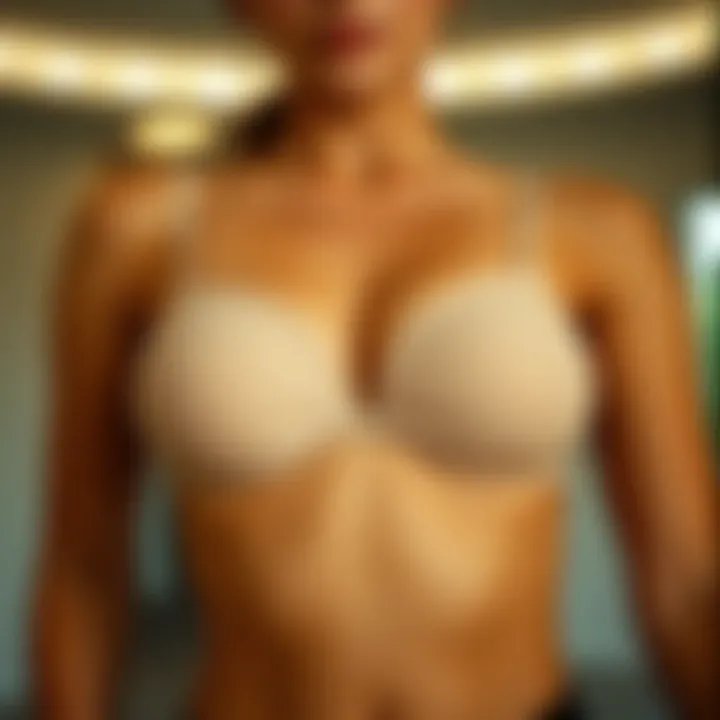
Sports Bras
The design intent behind sports bras revolves around providing maximum support during physical activities. They often have a tighter fit and are crafted from moisture-wicking materials to ensure comfort during workouts. While both sports bras and bandage bras aim to support, their functions vastly differ.
- Activity Level: Sports bras are primarily engineered for physical exertion, focusing on minimizing bounce and providing adequate hold. Bandage bras, on the other hand, are suited for everyday wear, offering support that helps create a flattering silhouette over prolonged periods.
- Material Differences: Sports bras use specialized fabrics that allow for breathability and stretch under intense movement, whereas bandage bras rely on structured materials that wrap around the body. This structural support is often less flexible but offers a different kind of comfort.
- Styling Functionality: The activewear look associated with sports bras might clash with formal attire, which is an area where the bandage bra shines, allowing for seamless transitions from casual to elegant outfits.
Brassieres for Everyday Use
Everyday bras tend to be standardized in terms of functionality, often balancing comfort with general aesthetics. They may not offer the high-fashion appeal of a bandage bra, yet they serve as reliable staples in a woman's wardrobe.
- Comfort Factor: Typical everyday bras might use softer, less structured materials. In contrast, a bandage bra incorporates a firmer fabric that not only supports but sculpts, catering to a trend that prioritizes both comfort and chic design.
- Occasion Application: Everyday bras often lack the sartorial elegance that a bandage bra brings to the table. The bandage style can effortlessly elevate casual looks without compromising comfort, making it a more versatile option for various occasions.
- Fashion Forward: While many everyday bras focus on utility, the bandage bra can be a fashion statement, appealing to those who embrace style without sacrificing practicality.
"In the diverse world of lingerie, each type of bra serves its purpose, but the bandage bra redefines the narrative by blending comfort, support, and style seamlessly."
Through this comparative analysis, the distinct advantages and suitability of the bandage bra become clearer. Its ability to straddle the line between style and function makes it a compelling choice among its counterparts, ultimately solidifying its role within the contemporary lingerie spectrum. As these different styles evolve, understanding how they fit into one’s wardrobe choices becomes essential for both consumers and fashion designers alike.
Challenges in the Bandage Bra Market
The world of bandage bras, while alluring and dynamic, faces a fair share of challenges that impact their market viability and consumer accessibility. Understanding these obstacles is crucial for any fashion professional, be it a designer, stylist, or retail worker. Both sizing issues and market saturation play significant roles in shaping consumer experiences and brand strategies. Addressing these challenges can guide industry players towards solutions that enhance the market for bandage bras, leading to better customer satisfaction and broader sales.
Sizing Issues
One of the most prominent challenges influencing the bandage bra market is the variability in sizing. Unlike traditional bras, which often adhere to standard size charts, bandage bras typically employ a more elastic and fitted design that may not align with conventional sizing systems. This mismatch creates confusion for consumers who are already accustomed to a certain sizing lexicon. Many customers might find that their regular size in a different design does not perfectly translate to a bandage bra's fit.
Proper sizing is not just a detail; it’s the cornerstone of comfort and support.
Striking the right balance between flattering style and comfort is essential. A bandage bra that is either too tight or too loose can lead to discomfort, potentially overshadowing its appealing aesthetics. Furthermore, retailers often face challenges in stocking a diverse size range that caters to all body types. This can limit product accessibility, leaving many potential customers out in the cold, ultimately influencing purchasing decisions. Solutions could involve more flexible sizing options, perhaps labeled as small, medium, and large rather than numbers, simplifying the process.
Market Saturation
In today's fashion landscape, consumers are bombarded with an array of options across all types of bras, including the bandage style. This saturation in the market leads to intense competition among brands, often resulting in diminished unique selling points. It becomes a Herculean task for companies to distinguish themselves beyond just their designs. The excess of similar products can easily overwhelm buyers, leading to indecision or complete avoidance.
Moreover, when numerous brands launch bandage bras with slight variations, it creates noise in the market that can confuse potential customers. The emphasis shifts from quality and design to mere price competitiveness. Consumers may well question, "What makes this bandage bra any different from the one next to it on the rack?"
To combat saturation, manufacturers and retailers need to adopt strategies that emphasize distinctiveness: unique designs or marketing themes that resonate with their target audience. A focus on storytelling and brand ethos could effectively draw consumers back to a specific label, helping them see the difference in their products. Conversely, relying solely on price cuts can erode brand value and carefully crafted perceptions in the long run.
Ultimately, a solid grasp of these challenges can help industry professionals create a more robust and compelling offering in the bandage bra market, leading to improved consumer experiences and greater brand dedication.
Future of the Bandage Bra
As we look toward the future of the bandage bra, it becomes evident that this garment will continue to evolve. Fashion is an ever-changing landscape, and the bandage bra is no exception. With increasing emphasis on body positivity and individuality, the future holds a promise of innovation and diversity in both design and application. This segment of the analysis unveils the potential shifts in consumer preferences, technological advancements, and the sustainable practices that might shape the next chapter of this wardrobe staple.
Innovative Designs
The potential for innovation in bandage bra designs cannot be overstated. Designers are constantly exploring ways to incorporate new technologies and materials that could redefine comfort and style. For instance, imagine bras made from adaptive fabrics that respond to the wearer's body temperature, providing optimal support regardless of the environment. Such creativity not only caters to comfort but also enhances the aesthetic appeal.
- Modular Components: Consider the rising trend of modular bras, which allow wearers to mix and match components, including straps and lining. This kind of flexibility reflects a shift toward personalization and individual expression in fashion.
- Tech Integration: With the advent of wearable technology, we might see the integration of smart textiles into bandage bras. Features like monitoring heart rates or other health metrics could be embedded, combining fashion with function.
- Artistic Collaborations: Collaborations between fashion designers and artists could lead to one-of-a-kind, statement pieces that challenge traditional notions of lingerie, making the bandage bra more than just an undergarment but a piece of art.
"Innovative designs are not only about aesthetics; they shape the experiences of wearers and align with modern lifestyles."
Evolving Consumer Preferences
As fashion moves towards inclusivity and sustainability, consumer preferences are shifting dramatically. Today's buyers are more informed, and they prioritize brands that resonate with their values. For bandage bras, this evolution brings forth several key considerations:
- Sustainability: More consumers are demanding transparency in sourcing and production. Bandage bras that utilize eco-friendly materials and ethical manufacturing processes are becoming a preferred choice. Brands that respond to this demand may gain a competitive edge.
- Diversity in Sizing: With rising discussions on body diversity, the traditional size range is expanding. Future models of bandage bras might cater to a wider array of body types, ensuring that all women can experience the confidence that comes with well-fitting lingerie.
- Purpose-Driven Purchases: The conscious buyer isn’t just looking for a pretty piece; they want functionality as well. Bras that provide ample support while allowing for movement—whether for work, leisure, or sports—are likely to see increased popularity.
In summary, as we peer into the future of the bandage bra, it’s clear that adaptation will be key. The interplay between innovative design and evolving consumer preferences will ensure that this garment remains relevant, inspiring confidence and comfort in wearers. Understanding these trends is essential for professionals in the fashion industry, as they prepare for the next wave of consumer demand and design evolution.
Epilogue
Wrapping up our exploration of the bandage bra, it becomes clear that this garment serves as more than just a piece of clothing; it embodies a blend of artistry and practicality unique to contemporary fashion. The discussions we've had throughout this article underscore several key aspects.
Summarizing the Insights
The bandage bra’s design intricacies, from the strategic fabric choices to the careful construction techniques, reflect the demand for both style and substance. Its ability to enhance silhouettes while providing the much-needed comfort shows why it remains a staple in many wardrobes. This bra isn't merely about fashion; it's about empowering the wearer through innovative support.
Moreover, as we delve into the market trends, it’s evident that understanding customer demographics plays a crucial role in how designers approach the bandage bra. Importantly, this garment has galloped from high-fashion runways to mainstream retail, which signifies its widespread acceptance and appeal across various consumer segments.
A notable trend is the increasing focus on sustainability in the production of bandage bras. Eco-friendly materials and ethical manufacturing processes are becoming essential considerations for brands aiming to resonate with a more conscious audience. As consumers grow more aware of their purchasing choices, the bandage bra is adapting to meet these expectations, signaling a promising future for this garment.
Final Thoughts on the Bandage Bra
The journey of the bandage bra is far from finished. With continually evolving designs and shifting consumer preferences, it becomes imperative for fashion designers and stylists alike to stay attuned to these dynamics. Adopting innovative approaches while remaining rooted in ethical practices can only enhance the appeal of this evolving piece.
As we move forward, let's keep in mind that the bandage bra is not just an item of clothing; it signifies a merging of comfort, style, and sustainability. It holds potential for creative expression, catering to a diverse audience that values both elegance and responsibility. In the world of fashion, where change is the only constant, the bandage bra occupies its niche with grace.
"Fashion is about something that comes from within you." - Ralph Lauren
The blend of the past, present, and what the future holds for the bandage bra implies it's set to maintain its relevance in fashion, continuing to evolve alongside the desires and needs of its wearers. By fostering a deeper understanding of this garment, we can appreciate its place in the contemporary fashion landscape and support its growth for years to come.