The Aesthetic Appeal of Faux Branches in Vases

Intro
The world of interior design is constantly evolving, and with it, the materials and elements we use to beautify our spaces. One of the most intriguing trends in recent years is the rising popularity of fake branches in vase arrangements. What was once regarded as merely a practical choice for some, has transformed into an art form, embracing both aesthetic appeal and practicality. This exploration is not just about the visual allure these faux elements create, but also about how they can seamlessly integrate into various decor styles.
Fake branches allow for unique arrangements that can infuse personality into an otherwise mundane space. From a striking single stem to an elaborate multi-branch configuration, these faux pieces open a vast array of creative possibilities for homeowners and designers alike. Whether you favor minimalist aesthetics or bohemian charm, incorporating artificial branches can be a game changer.
In this article, we will discuss the types of faux branches available, how to select the right pieces that resonate with your decor, and methods for arranging them elegantly. We won't shy away from addressing the environmental implications of using artificial elements, so you can make informed choices that align with your values. From maintenance tips to shifting perceptions, this guide aims to provide insightful knowledge for fashion designers, stylists, and retail professionals.
Let’s dive deep into the vibrant realm of fake branches and their aesthetic value for vases.
Foreword to Fake Branches
The world of interior design is ever-evolving and constantly in search of elements that can invigorate spaces while ensuring ease of maintenance. One such rising star is the incorporation of fake branches into vase arrangements. These artificial additions have become a quintessential component in home decor, marrying aesthetic charm with practical functionality.
Definition and Appeal
Fake branches, broadly speaking, are artificial representations of natural twigs or blossoms crafted from various materials, which can include plastics, fabrics, and even silk. Their appeal lies not just in their appearance but also in their versatility. Unlike real branches, which wilt and wither, these faux counterparts maintain their beauty without need for water or sunlight. The resulting arrangements can astound and delight, offering a lifelike quality that reflects a deep appreciation for nature.
Their positioning as a staple in modern decor stems from a nuanced understanding of how our living spaces affect our moods and attitudes. Having an element that captures seasonal changes brings warmth and character to any room without the worry of upkeep—whether it’s an irrepressible spring blossom or the deep hues of autumn leaves.
The Rise in Popularity
Over the past few years, the popularity of fake branches has soared, and for good reason. First off, they embody sustainability; by opting for an artificial option, consumers often eschew the need for constant natural replacements, creating less waste over time. Moreover, advancements in production techniques have led to incredibly realistic designs. Today’s fake branches are often indistinguishable from the real deal, allowing individuals to enjoy the aesthetic without the pitfalls of nature.
Common trends show that these branches are being used in all manner of designs. From minimalistic Scandinavian styles that favor clean lines and muted colors to more bohemian, eclectic designs rife with colors and patterns, fake branches fit right in. People are seeking not only beauty but convenience, and this hybrid approach satisfies both demands. The topic is undeniable in its significance as it underscores a shift toward practical beauty in modern interior design.
"Decor shouldn't just be about looks; it should also make life easier and more enjoyable."
Thus, as we delve deeper into the various types of fake branches available, along with selection tips and arrangement methods, it’s essential to recognize their transformative potential. They don’t merely enhance decor—they redefine it.
Types of Fake Branches
The realm of interior design is ever-evolving, yet one component remains a steadfast choice for adding flair to any space: fake branches. This section delves into the types of fake branches available, choosing the right kind for transformative aesthetics.
Faux Floral Branches
Faux floral branches stand out as a popular choice for those looking to add a splash of color and vibrancy without the hassle of real flowers. These branches can mimic a wide variety of blooms, including peonies, cherry blossoms, and even tropical species. The beauty of faux floral branches lies in their versatility. They can effortlessly fit into various themes, whether vintage, modern, or bohemian.
For the discerning designer, the tip is to choose branches that boast realistic textures and colors. A well-styled arrangement with faux floral branches can create an inviting atmosphere, imbuing your decor with life. Moreover, their ability to maintain a brilliant appearance throughout different seasons makes faux floral branches particularly appealing. No wilting, fading, or seasonal drawbacks—just steady beauty.
Wooden and Natural Look Branches
Now, there's something undeniably enchanting about wooden branches that echo the rugged charm of nature. Wooden and natural look branches provide a rustic touch, enhancing any environment’s warmth. These branches often feature intricate textures and shapes that resemble actual tree branches, offering a tactile quality that can engage viewers even more.
When used in vases, they can bring an organic element into modern or minimalist spaces. Their neutral tones allow for seamless integration with various color palettes. You can arrange them alone or combine them with greenery for an earthy explosion—or go solo to serve as a statement piece.
Selecting the Right Fake Branches
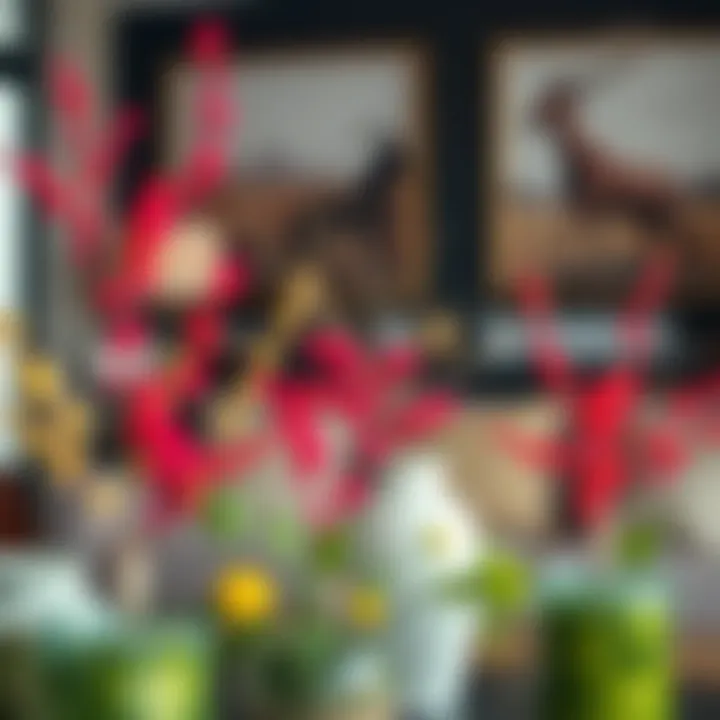
When it comes to beautifying your space, a carefully selected fake branch can be the cherry on top of your decor cake. The right fake branches don’t just serve as accents; they can transform a vase from mundane to magnificent. When embarking on this journey to select the right pieces, one must keep in mind various aspects that contribute not only to the aesthetic but also to practicality.
Considerations for Material Quality
The material of fake branches plays a crucial role in how they are perceived in a room. It’s not just about how they look; it’s about how they feel and their longevity. High-quality materials often mimic the texture and weight of real branches, making them visually appealing and convincing.
A good place to start is by touching and examining the branches. Plastics can range from glossy and cheap-looking to matte and textured. The latter often gives an authentic vibe. In addition, silk branches tend to elevate the quality aspect significantly. They can be used to create arrangements that reflect an organic feel.
In the end, choosing branches made from durable materials helps avoid the fate of having your decor lose its charm over time. After all, you wouldn’t want a once-beautiful arrangement to decline into a sad, wilted looking thing—artificial or not.
Matching Branches to Existing Decor
Matching your selected fake branches to the existing decor is key in achieving an integrated look. Even when it seems like a no-brainer, sometimes the branch that caught your eye may not harmonize with your chosen motif. For instance, if you live in a minimalist abode, heavy and intricate branches might clash and vice versa.
Consider the color palette used in your room. Neutral tones may allow for more freedom, while an environment focused on bold colors might require a more discerning eye. One approach could be to opt for branches that have a hint of the existing hues in your decor. This way, they won’t scream for attention but will enhance the overall theme.
Another useful tip is to think about texture—if your room sports soft fabrics and delicate furniture, look for branches that echo that softness.
Understanding Scale and Proportion
Scale and proportion may sound like terms just for artists, but they are equally relevant to interior design. Simply put, it’s about finding the right size of branches in relation to your vase and the surrounding space.
A petite vase filled with oversized branches can easily drown out the delicate vibe of a room. Likewise, skinny branches in a bulkier, grand vase can just get lost, appearing to be an afterthought.
To navigate this, one could take a tape measure along when shopping or even take pictures of your vases for reference. Pay attention to the height and bushiness of the branches as well. For a dynamic appearance, you might introduce branches of varying lengths and thicknesses, drawing the eye upward while still providing visual stability.
In summary, the journey of selecting the right fake branches can be a delightful yet intricate task. By focusing on material quality, ensuring match-ups with existing decor, and keeping scale in mind, you’ll be well on your way to creating arrangements that are as striking as they are meaningful.
Creative Arrangements for Vases
The arrangement of fake branches in vases transcends mere decoration; it’s an exploration of artistry and intention. When done thoughtfully, these designs marry aesthetic appeal with functional decor, creating visual conversations in any space. The beauty of fake branches lies in their versatility, allowing designers and everyday individuals alike to express unique tastes and styles without the constraints often posed by real plants.
Minimalist Designs
Minimalism, at its core, is about simplicity and intentionality. When incorporating fake branches into a minimalist design, the key is to let the elements breathe. Choosing a single branch or a few select pieces can make a striking statement. Consider a slender eucalyptus stem resting gracefully in a tall, sleek glass vase. This subtle approach draws the eye without overwhelming the senses.
Important considerations include:
- Vase Selection: Opt for vases with clean lines. They should complement—not compete with—the branches.
- Color Palette: Stick to neutral tones or soft pastels to maintain a tranquil vibe.
- Placement: Location matters; placing these arrangements in well-lit areas accentuates their natural beauty.
Such careful choices create a serene atmosphere, allowing a space to feel both inviting and stylish, embodying the essence of minimalist designs.
Lush, Layered Compositions
On the flip side, a lush, layered composition invites a bit of drama into your decor. This approach encourages the use of a variety of faux branches, each contributing to an overall rich texture. Picture a wide ceramic vase crammed with ferns, flowering branches, and twigs, all artfully arranged to showcase differing heights and colors.
To effectively create this lush look, keep in mind:
- Varied Textures: Mixing materials, such as matte-finished branches alongside shiny leaves, adds depth.
- Color Contrast: Introducing vibrant hues through flowers can create focal points.
- Height Variation: Layer branches of differing lengths to draw the eye both upward and outward.
Developing such compositions requires a keen eye for balance, ensuring that while the arrangement feels dense, it does not appear cluttered.
Integrating with Natural Elements
The integration of fake branches with natural elements can create a bridge between the synthetic and the organic. For instance, incorporating stones or driftwood into the arrangement can ground the artistic expression, adding a tactile quality to the visual display. Imagine a vase filled with a mixture of faux branches and some locally-sourced stones; this fusion creates not just a decor piece, but a narrative.
In crafting these integrative arrangements, consider the following elements:
- Complementary Materials: Use natural items that enhance the artificial branches rather than overshadow them.
- Natural Forms: Emulating how plants grow in the wild—irregular and unstructured—can lead to captivating displays.
- Color Harmony: Ensure that the colors of the fake branches and natural items harmonize. Earthy tones often work well together.
The result is a unique decor piece that showcases creativity, adds a sense of warmth, and invites conversation, demonstrating how artificial flora can blend seamlessly with the organic world.
"To create is to live twice." – Albert Camus
The Environmental Perspective
In the realm of interior decor, the discussion often gravitates towards aesthetics, but it's crucial to highlight the environmental implications of our choices as well. Fake branches, while primarily used for their striking visual appeal, present an interesting landscape where aesthetics meet environmental awareness. Understanding the environmental perspective around these artificial elements can enlighten both consumers and designers about their role in sustainable decor.
Sustainability Considerations
The concept of sustainability is woven into the fabric of modern design, and fake branches offer a unique contribution. When you think about it, using faux branches can help in reducing the demand for real plants, which often require resources that can be detrimental to the environment. For example, the harvesting of many natural florals involves a process that can lead to deforestation and habitat loss.
Moreover, synthetic branches are often crafted from materials that are designed to withstand the test of time, further mitigating the need for replacements and ultimately reducing waste. Here are some points to ponder:
- Reduced Resource Consumption: By choosing artificial branches, you lessen the requirement for water and fertilizers that are necessary to grow real plants.
- Longevity: Quality faux branches can last for years, eliminating the cycle of planting and replanting that natural decor demands.
- Transport Efficiency: The logistics of transporting fake branches can sometimes be less taxing on resources compared to live plants.
Ultimately, opting for these alternatives can be a step toward a more sustainable home environment that satisfies both aesthetics and ecological responsibility.
Recycling and Upcycling Opportunities
The conversation around fake branches takes on a creative twist when delving into recycling and upcycling. Unlike traditional decor items that might have a limited lifespan, faux branches open up avenues for innovative uses that can breathe new life into your space while aligning with environmentally conscious practices.
First off, it’s worth noting that many faux branches are made from recyclable materials. When they eventually reach the end of their lifespan, rather than tossing them into the landfill, consider these alternatives:
- Upcycling: Transform old fake branches into new decor pieces. With a bit of creativity, they can be painted, combined with other materials, or turned into unique centerpieces.
- Art Projects: Engage in community art projects where faux branches can be integrated into larger installations or displays, encouraging communal creativity.
- Donation: If you’ve decided to change your decor style, consider donating your faux branches to schools or community centers for educational use or craft projects.
All in all, the lifecycle of fake branches doesn’t have to end after their initial use. With a little imagination, they can serve new purposes long after we’ve decided they no longer fit the aesthetic of our homes.
"The intersection of sustainability and creativity in home decor highlights our commitment not just to style, but to the planet as well."
Practical Advantages of Fake Branches
In the ever-evolving landscape of home decor, fake branches have carved out a notable niche. This trend, often initially met with skepticism, has shifted perceptions significantly. Understanding the practical advantages they provide can be a game-changer for designers, stylists, and anyone looking to enhance their space without the fuss that comes with living plants. Here, we’ll delve into two critical practicalities: low maintenance requirements and longevity. Both of these aspects offer considerable advantages for those aiming for style without the headaches that often accompany nature.
Low Maintenance Requirements
One of the standout features of fake branches is their minimal upkeep. Unlike live plants, which require watering, pruning, and adequate sunlight, fake branches only need an occasional dusting. This ease of maintenance makes them particularly appealing for busy households or commercial environments, where maintaining the vibrancy of natural arrangements can quickly become burdensome.
- No Watering: Without the need for water, you don't have to worry about overwatering, which can lead to mold, mildew, or damage to surfaces.
- Consistent Appearance: Fake branches retain their shape and color year-round, ensuring decor remains on point regardless of the season or changing environmental conditions.
- Allergy-Free: For those prone to allergies, faux branches present a viable alternative. There’s no pollen or spores to contend with, allowing one to enjoy the visual benefits without any adverse reactions.
Incorporating fake branches is not just about avoiding work; it’s also about achieving a sophisticated aesthetic. By selecting quality pieces with attention to detail, you can fool even the most discerning eye into thinking that you’ve got the real deal.
Longevity and Durability
When considering decor investments, durability is a must. Fake branches shine in this area, far outpacing their natural counterparts. Here’s how:
- Weather Resistance: Unlike live branches that may succumb to the elements, high-quality faux options are resilient against fading, cracking, or wilting. They can easily be placed in both indoor and sheltered outdoor spaces without worrying about their integrity.
- Cost-Effective: Although the initial purchase price might be higher compared to natural branches, the longevity of fake branches means they can save money in the long run. They require no seasonal replacement and remain visually appealing without the need for special treatments.
- Versatile Usage: Fake branches can be reused in different arrangements and for various occasions, such as holiday decor or themed events, which maximizes their utility.
Changing Perceptions of Fake Decor
The conversation around fake decor has evolved in recent years, particularly in how we view and utilize artificial elements within our homes. This shift is significant not only for designers and stylists but also for the broader consumer base. Embracing fake branches isn't just about convenience or aesthetics anymore; it's about redefining our standards of beauty and functionality in decor.
Cultural Shifts in Home Design
When we think about the aesthetic choices in modern interiors, the rise of sustainability has undeniably changed the landscape. People are now seeking ways to beautify their spaces without directly impacting the environment. This cultural shift is reflected in the increasing acceptance of faux branches as a chic solution.
No longer do they carry a stigma of being inferior; they are celebrated for their versatility and style. Homeowners want designs that tell a story, and faux elements provide that opportunity. Take, for example, a striking arrangement of artificial cherry blossom branches in a bright vase. While real flowers wither and fade, these fake options maintain their freshness indefinitely, allowing individuals to craft a narrative that lasts.
Cultural influences also play a role. Amid a world increasingly captivated by aesthetics shared via social media platforms like Instagram and Pinterest, the visual impact of decor can no longer be understated. Users are now more inclined to highlight creative applications of fake decor in their living spaces. Simply put, high-quality fake branches have found a respectable spot within the spotlight, owing to their ongoing representation in trendy online content.
Acceptance in Modern Aesthetics
One cannot overlook how the definition of beauty in decor has broadened. Acceptance of fake branches is a testament to this growing flexibility. Designers and consumers alike have recognized the potential of these items to create stunning visual focal points without the upkeep that real foliage demands. Moreover, the advancement in materials has produced faux branches that closely mimic the look and feel of their natural counterparts.
The convenience offered by these branches cannot be ignored. Often, real plants come with a host of issues like wilting, bugs, and the need for specific lighting conditions. In contrast, faux branches stand resilient against such challenges. They can be purchased in any season, ensuring your arrangements are never out of place or underwhelmed by the changes in the weather.
Ultimately, the aesthetic value of fake branches lies in their ability to blend effortlessly into diverse decor styles, from minimalist to maximalist. As we reconfigure our concepts of what is fashionable, it’s evident that the perception of fake decor will continue to change, providing ample opportunity for personal creativity and expression in interior design.
"Fake decor isn't just a substitute; it’s becoming a staple in how we define our living spaces."
In summary, the transition towards accepting faux branches reflects broader cultural trends and shifts in aesthetic values, revealing a flexible, innovative approach to home design. This ongoing transformation encourages us to challenge age-old biases against artificial elements, presenting a future where style and practicality coexist comfortably.
End: The Intersection of Style and Practicality
Navigating the blend of style and practicality, fake branches for vases have carved out a significant niche in today's home decor landscape. This article has delved into their aesthetic allure, revealing how these artificial elements can transform spaces, maintain an inviting atmosphere, and bring convenience to everyday life. The perfect combination of aesthetics and functionality showcases why they are increasingly favored by interior enthusiasts.
Summary of Benefits
Fake branches serve as more than just decor; they present a myriad of benefits that appeal to both personal style and practical needs. Key advantages include:
- Low Maintenance: Unlike natural plants, faux branches do not require water, sunlight, or frequent pruning, making them perfect for busy lifestyles.
- Versatility in Design: Available in various colors, sizes, and styles, they can complement nearly any decor theme, from minimalistic to bohemian chic.
- Durability: Constructed from robust materials, these elements are often more resistant to wear and tear, extending their lifespan compared to live plants.
- Allergy-Free Living: For those sensitive to pollen or scents, fake branches serve as a beautiful alternative while avoiding allergy flare-ups.
- Seasonal Adaptability: Fake branches can easily be swapped out according to seasons or trends, providing endless possibilities for fresh looks without major investments.
Future Trends in Decor
As we look ahead, the trends in decor are evolving to embrace a more sustainable and practical aesthetic, and fake branches will undoubtedly play a role in this transition. Here are some anticipated trends:
- Increased Customization: Expect to see a rise in personalized decor items that can cater directly to a customer’s unique taste. Customizable fake branches, in various colors, would provide the chance for personal touches in homes.
- Integration of Technology: Innovations in design will bring improved realism to faux branches. Think realistic textures and colors that remain on the cutting edge of style.
- Sustainability Focus: With greater awareness of environmental issues, consumers may gravitate towards eco-friendly brands that prioritize recycled materials in crafting fake branches.
- Blending Nature and Artifice: Future designs might see more hybrid looks, combining both real and fake elements to achieve a seamless integration, balancing nature’s charm with modern practicality.
In summary, the intersection of style and practicality that fake branches present illustrates their value beyond mere decoration. As trends shift towards sustainability, personalization, and technological advancements, these artificial creations will continue to play a pivotal role in the evolving narrative of home decor.
"Embracing fake branches does not merely mean forsaking the real; it is about curating an environment that fits your lifestyle and aesthetics perfectly.”
For more information on the evolution of decor trends, feel free to explore resources such as Wikipedia, Britannica, and discussions on platforms like Reddit for insights and community trends.