The Lasting Legacy of 1920s Headbands in Fashion

Intro
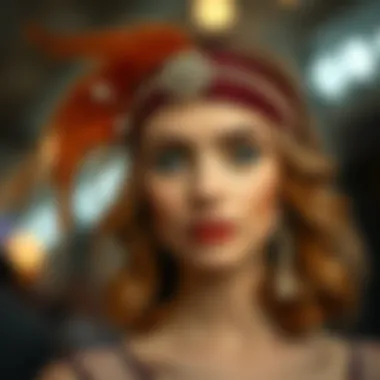
The flapper era of the 1920s marked a dramatic shift in fashion, influenced by the cultural whirl of jazz music, liberation movements, and a surge in artistic expression. Central to this fashion revolution were headbands—adornments that stood as symbols of the new, modern woman. These accessories were not merely decorative; they embodied a spirit of freedom and self-expression, capturing the essence of the Jazz Age. In a world that saw women challenging societal norms, the headband became a popular staple, elegantly worn by figures like Clara Bow and Joan Crawford. Fast forward to today, and we witness a striking resurgence of headbands in contemporary fashion, indicating that this trend is much more than a mere echo of the past.
Examining the significance of 1920s headbands provides a window into their evolution and present-day relevance. The intersection of history, culture, and design opens avenues for understanding how such a seemingly simple accessory can hold so much power in shaping modern aesthetics. Today's designers draw heavily from this rich legacy, melding vintage styles with contemporary flair.
Current Trends in Fashion
In today's style landscape, headbands are reemerging as a fashionable choice for various occasions. Many young adults and fashion enthusiasts are incorporating them into their outfits, driven by the nostalgia of a bygone era and the desire for individuality.
Key Styles of the Season
Fashion is fluid, and this season, headbands come in numerous variations that cater to diverse tastes. Here are some key styles:
- Classic Satin Headbands: Simple yet elegant, these headbands evoke the essence of the 1920s. They often feature rich colors and subtle embellishments, providing a touch of sophistication.
- Embellished Styles: Featuring pearls, sequins, or feathers, embellished headbands bring a theatrical flair to everyday wear. They reflect the spirit of the Jazz Age, inviting creativity and fun.
- Wide Fabric Bands: These give a nod to bohemian chic, combining comfort and style. Made from cotton or linen, they seamlessly transition from daywear to evening looks.
- Braided and Knotted Designs: Modern interpretations often incorporate braided patterns or knots that allow for a more casual take, perfect for relaxed outings or festivals.
Influential Designers and Their Impact
Several contemporary designers have taken cues from the 1920s, creatively weaving the past into their latest collections. Notable mentions include:
- Gucci: With Alessandro Michele at the helm, Gucci's latest lines boast extravagant headbands that reflect vintage charm with a modern twist.
- Prada: Known for clever designs, Prada's headbands featuring geometric patterns highlight their innovation while honoring the classic tropes of the Jazz Age.
- Chanel: Chanel’s offerings often integrate pearls and quilted textures, echoing the timeless luxury associated with the brand.
"Fashion is all about the change, but classics always find a way back to us."
Each designer infuses their unique style, inviting fashion enthusiasts to embrace the historical roots while celebrating personal flair. This blend of nostalgia and modernity serves as a pivotal influence for retail workers and stylists, encouraging them to educate clients on the meaningful legacy of headbands.
Practical Fashion Advice
As more people look towards headbands in their everyday style, knowing how to incorporate them effectively becomes crucial. Here are some practical tips:
Guidelines for Choosing the Right Fabrics
- Consider the Occasion: For casual outings, cotton or knit fabrics may provide the comfort you need. For formal events, satin or silk can elevate your look.
- Seasonal Appropriateness: Lightweight fabrics like chiffon or linen are perfect for warmer months, while thicker materials like velvet work wonderfully in the colder season.
- Color Coordination: Pick shades and patterns that complement your wardrobe. Neutral colors often pair well with bold or patterned outfits.
Tips for Building a Versatile Wardrobe
- Invest in Classics: Opt for classic styles that can transition between seasons or occasions. A well-chosen headband can elevate any outfit.
- Mix and Match: Experiment with different styles—layering headbands with various accessories can result in a fresh look.
- Stay Open to Trends: While headbands might take ideas from the past, they often inspire a unique twist. Keeping an eye on emerging styles can expand your choices.
By understanding the cultural significance of 1920s headbands, designers, stylists, and retail workers can more effectively navigate the complexities of modern fashion, ensuring the legacy of these accessories thrives in contemporary wardrobes.
For additional insights on fashion trends and styles, you may explore resources such as Wikipedia or Britannica for a deeper understanding of fashion history and evolution.
The Cultural Context of the Roaring Twenties
The 1920s, often dubbed the Roaring Twenties, was a decade marked by profound transformation in various social, economic, and cultural domains. This period laid the groundwork for modern fashion by reshaping how individuals expressed their identities. Headbands, as part of the broader fashion landscape, reflect societal attitudes and movements during this time. Examining this context is crucial to understanding how headbands evolved from mere accessories to powerful symbols of liberation and style.
Overview of 1920s Socioeconomic Changes
The socioeconomic landscape of the 1920s was characterized by a mix of prosperity and turmoil. After the devastation of World War I, many nations, especially the United States, witnessed a sharp economic rebound. The rise of industrialization spurred urbanization, leading to significant changes in lifestyle and fashion. People flocked to cities, working in factories and offices, prompting a noticeable shift in social dynamics.
This economic upswing resulted in increased disposable income and leisure time, allowing individuals to indulge in consumerism. The availability of mass-produced goods meant that fashion was no longer a privilege of the elite. Instead, modern styles, including stylish headbands, became accessible to the common folk, creating a new wave of creativity in personal expression.
The Rise of Feminism and Liberation
The 1920s was also a pivotal era for the feminist movement. Women gained the right to vote in many countries, notably the United States in 1920. This newfound empowerment was reflected in their clothing choices, as traditional, restrictive garments gave way to more liberating styles. Headbands emerged as a significant accessory, representing not only a fashion statement but a symbol of women's liberation.
These headbands signified a move away from the past, encapsulating the spirit of independence. Women began to embrace shorter hairstyles, such as bob cuts, which paired well with headbands, showcasing their individuality and breaking societal norms. This change in fashion served as a rallying cry for women seeking greater autonomy both in their personal and public lives.
Influence of Jazz Music and Dance
Jazz music and dance profoundly shaped the cultural milieu of the 1920s, adding layers to the fashion of the day. As jazz became a symbol of rebellion against traditional norms, it influenced the carefree aesthetic of the decade. Dance halls packed with flappers and dancing partners created an atmosphere where self-expression thrived.
Headbands often adorned the heads of those dancing the Charleston or shimmying to the newest jazz tunes. The lively rhythms and energetic movements highlighted the need for functional yet stylish accessories. Headbands, sometimes embellished with beads or feathers, captured the exuberance of the music and provided a fashionable way to express freedom in both motion and identity.

"The Roaring Twenties was an age of dramatic change, an era where personal style spoke louder than words."
Headbands as a Fashion Statement
Headbands represent more than just a hair accessory; they embody a significant cultural shift and a stylish flair that resonates through time. In the 1920s, these items emerged as pivotal elements of fashion, reflecting broader changes in female identity and lifestyle. Today, headbands are making a noticeable comeback, playing a vital role in enhancing outfits and personal expression. Their importance in the context of fashion statements cannot be understated, as they serve both practical and aesthetic purposes while allowing wearers to express individuality.
The headband's trajectory from an emblem of liberation in the Jazz Age to a modern-day staple encapsulates the evolution of fashion itself. As we delve into the materials and design principles that define headbands, we see how these elements not only contribute to their visual appeal but also their symbolic weight in society.
Materials and Fabrics Used
A diverse range of materials contributed to the creation of headbands, enriching their texture and visual appeal. In the 1920s, pieces were often crafted from luxurious fabrics, reflecting the era's penchant for opulence. Commonly used materials included:
- Silk: This fabric's sheen and softness made it a top choice for upscale designs. Its light feel offered comfort alongside elegance.
- Velvet: Once reserved for higher classes, velvet headbands lent a sense of luxury and glamour. The tactile richness made statements of sophistication.
- Cotton and Linen: Many everyday headbands utilized these breathable fabrics, making them practical for dance and daily wear. They combined functionality with style, appealing to a broader audience.
- Leather and Suede: Designs from this era featured sturdy leathers and suedes, providing durability while often emphasizing a more edgy look.
- Embellishments: Headbands often boasted added elements like rhinestones, beads, feathers, or even floral arrangements, enhancing their appeal with a bit of sparkle and flair.
The use of fibers and embellishments not only shaped headbands' aesthetics but also captured the spirit of the Roaring Twenties. Modern interpretations often draw from these same influences, blending traditional materials with contemporary techniques, such as eco-friendly fabrics, to appeal to today's conscious consumers.
Design Elements and Aesthetics
Design elements of 1920s headbands were characterized by bold aesthetics that encouraged personal expression and creativity. They moved beyond mere decoration, resonating deeply with the cultural shifts of the time. Key aspects of their design include:
- Intricate Patterns: Geometric shapes and Art Deco influences often defined the look of headbands. Such designs not only showcased artistic flair but also mirrored architectural trends of the day.
- Bold Colors: Colors were vibrant and varied, playing with contrasts and highlighting individuality. Well-chosen color schemes had the power to transform an entire outfit.
- Unique Shapes: From simple bands to opulent, shaped designs, innovators experimented with form, creating headbands that complemented different hairstyles and occasions.
- Layering Techniques: Many styles involved layered fabrics or multi-band combinations, leading to a more dynamic and visually striking appearance.
- Typographical Statements: Some styles utilized text elements, showcasing slogans or words that aligned with contemporary social movements, thus marrying fashion with ideology.
Ultimately, headbands captured the boldness of a generation, facilitating personal narratives while acknowledging the collective transformation of women's roles in society. As modern fashion revives these designs, they continue to act as an ever-evolving canvas for individuality and style.
"Fashion is the armor to survive the reality of everyday life."
— Bill Cunningham
As headbands continue to adapt to contemporary trends, the legacy of 1920s styles serves as an enduring influence, encouraging designers and fashion enthusiasts alike to explore what these accessories can convey today.
For more about headband history, you can check the extensive coverage on Wikipedia on Headbands and the trends they inspired throughout history.
Iconic Headband Styles of the 1920s
The 1920s was a decade marked by remarkable social change, and headbands emerged as powerful symbols of this transformation. They were not just accessories, they were fashion declarations. Understanding these iconic styles gives insight into the era’s broader cultural shift and can inform how modern designers approach headwear today.
The Flapper Headband
The flapper headband became synonymous with the liberated woman of the 1920s. Often adorned with sequins, jewels, or feathers, these headbands were more than mere embellishments. They represented a desire for freedom and a break from traditional roles.
Flappers embraced a new attitude — lively, bold, and unapologetic. Wearing a tight-fitting headband, they danced the Charleston with abandon, marking their place in a society that was slowly evolving. The choice of materials ranged from silk to velvet, often complemented with practical elements that held hair in place during frenetic dancing. The flapper headband encapsulated the spirit of the time, marrying style with strength, and informing modern interpretations of headwear that favor both aesthetic and functionality.
Art Deco Influences
Art Deco emerged as the defining visual style of the 1920s, affecting architecture, fashion, and even headbands. Characterized by geometric patterns and bold ornamental designs, Art Deco influenced headband aesthetics in a striking way.
Materials like shiny metals, glass beads, and angular patterns mimicked the architectural styles of the day, leading to headbands that looked as if they were wearable pieces of art. This unique blend of craftsmanship and creativity allowed designers to push boundaries in both fashion and function. These headbands often offered a clean, polished look that could transform an outfit from drab to dazzling, aligning perfectly with the confident demeanor of the modern woman emerging from the previous eras’ constraints.
Beaded and Feathered Headbands
Jewelry and fashion collided spectacularly in the beaded and feathered headband styles of the 1920s. Beads fashioned from glass or natural materials were meticulously hand-sewn onto headbands, offering intricate designs that reflected personal taste and social status.
Feathers, coming from exotic birds, were also popular, often representing a connection to the wild and the adventurous spirit of the Jazz Age. Together, these embellishments offered a dazzling array of choices for women looking to express individuality. Whether worn for a glittering evening gala or an everyday outing, these headbands provided a splash of glamour.
The beaded and feathered pieces weren’t just trends; they became status symbols in high society, creating an allure that still finds its way into modern fashion. As we look back at these styles, they remind us of the transformative power of accessories, which continue to play a significant role in today’s fashion landscape.
"Accessories can make or break an outfit; they hold the power to speak volumes about our identity and style without a single word uttered."
In summary, the headbands of the 1920s were emblematic of the era, encapsulating a rich tapestry of social change, artistic innovation, and individual expression. These iconic styles provide much to ponder for today's designers, as they strive to weave the past into the fabric of modern fashion.
The Practicality and Symbolism of Headbands
The significance of headbands extends beyond mere aesthetics, especially when we consider their dual role as both functional accessories and powerful symbols. In the cultural landscape of the 1920s, headbands were not just a trend; they encapsulated the essence of a generation craving freedom and self-expression. Today, headbands carry a dual legacy that marries practical use with deep symbolism, making them a touchstone in modern fashion.
Functionality in Daily Life
Modern headbands have primarily evolved into versatile accessories that cater to diverse lifestyles. For instance, during busy workdays or intense workout sessions, a simple cotton or velvet headband serves the practical purpose of keeping hair away from the face, allowing one to focus completely. The functionality is undisputed in various contexts:

- Athletics: Sports headbands, often made of moisture-wicking materials, prevent sweat from dripping into the eyes, enhancing performance without distractions.
- Casual Wear: A stylish fabric headband can elevate an everyday outfit, be it for running errands or casual outings. Its ease of wear makes it preferred among those looking for a quick style solution.
- Professional Settings: In some work environments, headbands contribute to a polished appearance. A sleek, minimalist design can complement formal wear, showcasing an individual’s fashion sensibilities without crossing boundaries of professionalism.
With a variety of styles available, from wide boho options to narrow, sleek designs, headbands can easily be adjusted to enhance comfort while maintaining style—a perfect match for the fast-paced life today’s urbanites lead.
Symbol of Rebellion and Individuality
In the 1920s, headbands became a hallmark of rebellion and the new female identity, often associated with the flapper movement. Women sported them as markers of liberation, rejecting traditional notions of femininity and embracing boldness. This same spirit echoes in modern interpretations.
- Cultural Statements: Today, headbands continue to signify individuality and resistance against conventional aesthetics. They’re frequently used in streetwear, representing personal style choices or cultural identities, particularly among younger generations.
- Trendy Variations: Unique embellishments, such as beads, feathers, or even statement slogans, serve as extensions of one’s personality. Choosing how to accessorize a headband can reflect someone’s attitude, beliefs, and even political stances.
- As a Canvas for Expression: Many young designers capitalize on this vibe by creating headbands that speak to prevailing social issues, like sustainability or inclusivity, thereby encouraging consumers to make fashion choices that resonate with their values.
Headbands in contemporary fashion maintain a strong connection to their historical roots while adapting to modern meanings. They serve as a testament to how a simple accessory can embody both practical necessity and deep-seated cultural significance.
"Fashion is not just about what you wear; it’s a language of self-expression. Headbands symbolize this blend beautifully, merging practicality with a powerful statement."
As headbands adapt and evolve, they provide a noteworthy exploration into how fashion can reflect identity and individuality. The blending of functionality and symbolism ensures that this accessory remains not only relevant but essential in the modern wardrobe.
Revival of the Headband in Modern Fashion
The resurgence of headbands within contemporary style signals a fascinating return to accessories that balance utility and aesthetics. This revival is not merely a case of nostalgia; it reflects deeper currents in modern fashion that seek to honor history while embracing innovation. Just like the flapper girls of the 1920s who wore headbands as both a fashion statement and a badge of liberation, styling with headbands today connects users to a rich legacy while establishing their individual identities.
While the styles have evolved, the benefits have persisted. Headbands are versatile in nature, serving multiple purposes tailored to varying scenarios and preferences. From adding flair to casual outfits to polishing off formal ensembles, these accessories provide a finishing touch that can elevate an entire look.
Here are specific elements that emphasize the importance of headbands in modern fashion:
- Practicality: Modern headbands often offer function beyond style—think sweat-wicking materials for workouts or protective styles for curly hair.
- Versatility: Available in an array of designs, colors, and fabrics, headbands can complement almost any outfit, making them a staple in many wardrobes.
- Cultural Connections: Wearing a headband can evoke a sense of nostalgia, tying the wearer to the revolutionary spirit of the 1920s.
Notably, this revival can also be linked to a broader cultural trend towards embracing individuality and self-expression. As individuals seek unique methods to showcase their personalities, accessories like headbands provide an accessible medium for doing so.
Contemporary Trends Influencing Revival
The current landscape of fashion incorporates several noteworthy trends that bolster the headband's return to prominence. For instance, the rise of athleisure in everyday wear has created a fertile ground for headbands to thrive. Designers are crafting pieces that cater to an audience eager for both comfort and style, resulting in functional headbands that enhance performance while adding to a fashionable look.
Social media has also played an undeniable role. Platforms like Instagram and TikTok have transformed how fashion trends proliferate, and headbands are no exception. Influencers and designers showcase these accessories in myriad ways, from sleek satin bands to vibrant printed styles, capturing the attention of fashion-savvy consumers.
Additionally, sustainability has nudged designers toward incorporating eco-friendly materials in headbands. Vintage-styled or upcycled headbands resonate with conscious consumers who prioritize environmental impact.
Headbands in Popular Culture
The presence of headbands in modern media further cements their status as a fashion staple. Pop culture references to headbands often highlight their symbolic potential. Characters like Blair Waldorf from "Gossip Girl" or the ever-stylish Amy Winehouse remind audiences of the headband's cultural significance—and inspire fashion enthusiasts to incorporate similar styles in their wardrobes.
In real life too, celebrities often sport headbands to various events, showcasing their versatility and style potential. Events such as music festivals see attendees embrace floral and ornamental designs, echoing those 1920s flapper vibes that sparked the accessory craze in the first place.
"The headband is emblematic of the intersection between historical fashions and the boldness of today‘s individual style choices."
The blend of contemporary fashion and historical inspiration ensures the headband remains a vibrant element in today's accessories landscape. By bridging the gap between past and present, the headband symbolizes the ongoing evolution of self-expression and personal style, keeping it very much in the fashion conversation without losing its distinctive roots.
For more information on the evolving art of accessorizing, consider resources such as Wikipedia and Britannica for a curated history.
Accessorizing with Headbands Today
Accessorizing with headbands today has emerged as more than a mere fashion choice; it represents a cultural phenomenon rooted deeply in the influences of past eras, particularly the bold and liberated spirit of the 1920s. The resurgence of headbands in contemporary fashion speaks volumes about their versatility and the unique ability to elevate an outfit, no matter the occasion. In this discussion, we’ll highlight critical elements, benefits, and considerations surrounding modern headband use, underscoring its significance in today’s fashion landscape.
Styling Tips for Different Occasions
Choosing the right headband is crucial for enhancing your look while seamlessly blending with your wardrobe. Here are some tailored styling tips for various settings:
- Casual Outings: Opt for fabric or soft cotton headbands. These are comfortable, and versatile, and can be worn with everything from jeans to sundresses. A floral print or a simple solid color can add a playful touch to a relaxed outfit.
- Office Wear: For a professional appearance, a sleek, minimalist headband in neutral colors like black, navy, or beige works wonders. A simple satin or leather version can complement a tailored blazer or a crisp blouse without stealing the show.
- Evening Events: When heading to a party or formal gathering, don’t shy away from the glitz! Beaded or embellished headbands can bring a hint of glamor to your evening attire. Pair them with an updo to let the accessories shine.
- Sporty Looks: If you’re gearing up for a workout, consider functional headbands made of moisture-wicking fabrics. These not only help manage sweat but can showcase your personality through fun prints or vibrant colors.
"The beauty of headbands lies in their adaptability; they can transition effortlessly from casual to formal, always making a statement."
Choosing the Right Headband for Your Look
Selecting the right headband demands an understanding of not only personal style but also of how the accessory can harmonize with your overall ensemble. Here are a few key considerations:

- Face Shape: Different styles suit various face shapes. For example, wider headbands can soften angular faces, while thinner ones can complement rounder shapes.
- Hair Type: Thick or curly hair may require sturdier bands to ensure they stay in place, whereas fine hair might work better with more delicate options.
- Occasion: As discussed, the context dictates much about the choice. A casual outing deserves something fun, while formal settings call for elegance.
- Personal Style: Finally, reflect on your own aesthetic. Are you drawn to minimalist designs or do bold, dramatic pieces resonate more? Trust your instincts when selecting a headband that speaks to your fashion identity.
The Sustainability Aspect of Modern Headbands
In today’s fashion landscape, where sustainability is gaining traction, the headband has found itself in a spotlight once reserved for footwear and outerwear. The emphasis on environmental responsibility has made its way into accessories, making the sustainability aspect of modern headbands a notable topic worth exploring. With consumers becoming more eco-conscious, headbands crafted from sustainable sources and through ethical practices are increasingly popular. These choices are reshaping the industry, ensuring that a chic accessory is also a responsible one.
Materials that Support Eco-Friendly Fashion
The materials used in crafting modern headbands play a crucial role in promoting eco-friendly fashion. Trendy headbands have transitioned from synthetic, non-biodegradable options to using fabrics that are kinder to the planet. Popular materials today include:
- Organic Cotton: Grown without harmful pesticides, organic cotton is not just soft but also environmentally sustainable. It requires less water than traditional cotton, making it a favorable choice for eco-savvy consumers.
- Bamboo Fabric: Known for its remarkable growth rate and natural pest resistance, bamboo fabric is biodegradable and has a lesser environmental footprint than conventional materials.
- Recycled Polyester: This material is made from recycled plastic bottles, giving them a second life while reducing landfill waste. It’s durable and can mimic other fabrics, which appeals to both designers and consumers.
- Tencel: Derived from sustainably sourced wood pulp, Tencel is breathable and biodegradable. Its production process consumes less water and results in lower emissions compared to conventional fabrics.
These materials not only provide style but also an ethical framework that aligns with the values of today’s consumers. Preferring these options can stimulate demand for sustainable practices, which is good news for the planet.
Ethical Production Practices
Beyond the materials, ethical production practices are equally paramount in the realm of modern headbands. Fashion designers and brands are increasingly scrutinizing their supply chains, ensuring workers are treated fairly and sustainably. Here are a few practices that exemplify this commitment:
- Fair Trade Certifications: Brands that advocate for fair trade ensure that their workers receive fair wages and safe working conditions. This transparency builds trust with customers who care about the provenance of their purchases.
- Local Sourcing: By sourcing materials and production locally, brands reduce their carbon footprints and support local economies. This practice often results in better quality products, as local artisans pour love and craft into their work.
- Reduced Waste Initiatives: Many brands are adopting zero-waste methodologies. This involves designing products that leave minimal waste in production and utilizing leftover materials creatively in their designs.
"Sustainable fashion isn't just a trend; it's a movement that pushes us all to rethink our choices."
- Transparency: Open communication about the sourcing and manufacturing processes is becoming a staple for brands. This level of honesty allows consumers to make informed decisions about their purchases.
The combination of sustainable materials and ethical production practices underpins a significant change in headband fashion. Rather than being mere decorative items, modern headbands can now serve as symbols of sustainability and responsibility, marrying aesthetics with values that resonate deeply with a discerning audience. As we look toward a future that embraces eco-conscious choices, the role of headbands will undoubtedly expand, inspiring creativity that fuels both personal expression and global awareness.
Headbands in Fashion Design Education
In the realm of fashion design education, headbands present an intriguing intersection of history, art, and contemporary applicability. These accessories serve not just as styles but also as teaching tools that highlight various aspects of design, including fabric manipulation, cultural sensitivity, and innovative thinking. Incorporating headbands into curricula introduces students to the rich narratives of fashion history while enabling them to explore their creative capabilities in design.
Incorporation into Design Curricula
Incorporating headbands into fashion design curricula allows students to delve deeply into several core competencies. First, they learn about fabric selection and construction techniques, as headbands can be crafted from materials ranging from plush velvets to eclectic mixtures of beads and sequins. This hands-on experience fosters an understanding of textile properties and the importance of appropriate fabric choices in designing wearable art.
Second, the historical significance of headbands opens discussions about societal shifts and trends. Including headbands in coursework fosters conversations about the role of fashion in social movements, particularly as they relate to the Feminist movements of the 1920s. This context encourages students to recognize how accessory design can carry political or cultural weight, allowing them to design with intention and awareness.
Case Studies of Emerging Designers
A couple of case studies illustrate how emerging designers have integrated headbands into their work while paying homage to the 1920s influences. For instance, designer Nia Westery, known for her contemporary takes on vintage styles, has successfully resurrected the flapper headband theme by integrating eco-friendly materials. Her collections often feature intricate beadwork and sustainable fabrics, attracting attention for their originality and ethical sourcing.
In another example, Mark Lanjou, a fashion design student at the Savannah College of Art and Design, created a line focused on beaded headbands inspired by jazz music. His designs include bold geometrical patterns reminiscent of Art Deco, marrying historical motifs with modern wearability.
"Fashion is a powerful storyteller, and headbands are the chapters that reveal a culture's evolution."
These designers exemplify how lessons from the past can be translated into innovative practices. By engaging students with headbands, fashion design education taps into a creative sponge that absorbs not just aesthetic forms but also traditions and narratives that influence modern fashion.
Ultimately, exploring headbands in fashion design education equips aspiring designers with the skills, insights, and knowledge necessary to contribute thoughtfully to the evolving landscape of the industry.
Future of Headbands in Fashion
The trajectory of headbands in fashion reveals a fascinating interplay between nostalgia and innovation. As we traverse the landscape of contemporary style, the relevance of headbands is becoming increasingly pronounced. They serve not only as practical accessories but as vibrant symbols of individual expression amidst a sea of fast fashion. This section endeavors to explore the future of headbands by examining current trends, expected consumer preferences, and innovations that could redefine their place.
"Fashion is about dressing according to what’s fashionable. Style is more about being yourself."
— Oscar de la Renta
Predictions Based on Current Trends
Forecasters suggest that headbands will see a resurgence, diving into various cultural pockets and adapting to modern aesthetics. Here are some key predictions:
- Increased Popularity in Sustainable Fashion: With eco-consciousness rising among consumers, headbands made from recycled materials are likely to gain traction. Brands are expected to prioritize sustainability and showcase these attributes prominently.
- Inclusive Designs: As the fashion world becomes more inclusive, expect headbands that cater to a wider audience in terms of size and style. This involves designs that can be worn comfortably by diverse demographics.
- Mix of Technology and Fashion: Accessories integrating technology, such as Bluetooth-enabled headbands, may emerge. These are not merely functional but could be fashion statements as well.
- Greater Experimentation in Styles: Designers might continue to blur the lines, creating hybrid accessories that incorporate elements of headbands with other hair accessories.
This new exploration of forms and usability gives credence to the headband's adaptability in future trends.
Innovations in Design and Materials
The potential for innovation in headband fashion is immense, as designers creatively meld tradition with modern sensibilities. Several avenues for innovation are worth noting:
- Sustainable Materials: Brands exploring plant-based fabrics or other sustainable sources are likely to lead the market. Material innovation might include organic cotton, hemp, and biodegradable elastics that align with eco-friendly practices.
- Smart Fabric Technologies: Imagine headbands that can regulate temperature or moisture; such features could appeal to active consumers who desire both functionality and fashion in their accessories.
- Customization Features: Companies may invest in customized headbands, allowing consumers to personalize colors, patterns, and even embellishments that resonate with their unique sense of style.
- Collaboration with Artists: Collaborating with graphic designers and fine artists for limited-edition collections could infuse headbands with fresh, avant-garde aesthetics that capture the modern spirit.
These innovations not only reflect a shift toward increased functionality but also a celebration of the unique artistic expression that headbands can embody.
In summary, the future of headbands looks promising as one of fashion’s enduring accessories. By embracing current trends and pioneering new materials and designs, headbands are set to reclaim their rightful place in wardrobes across the globe.